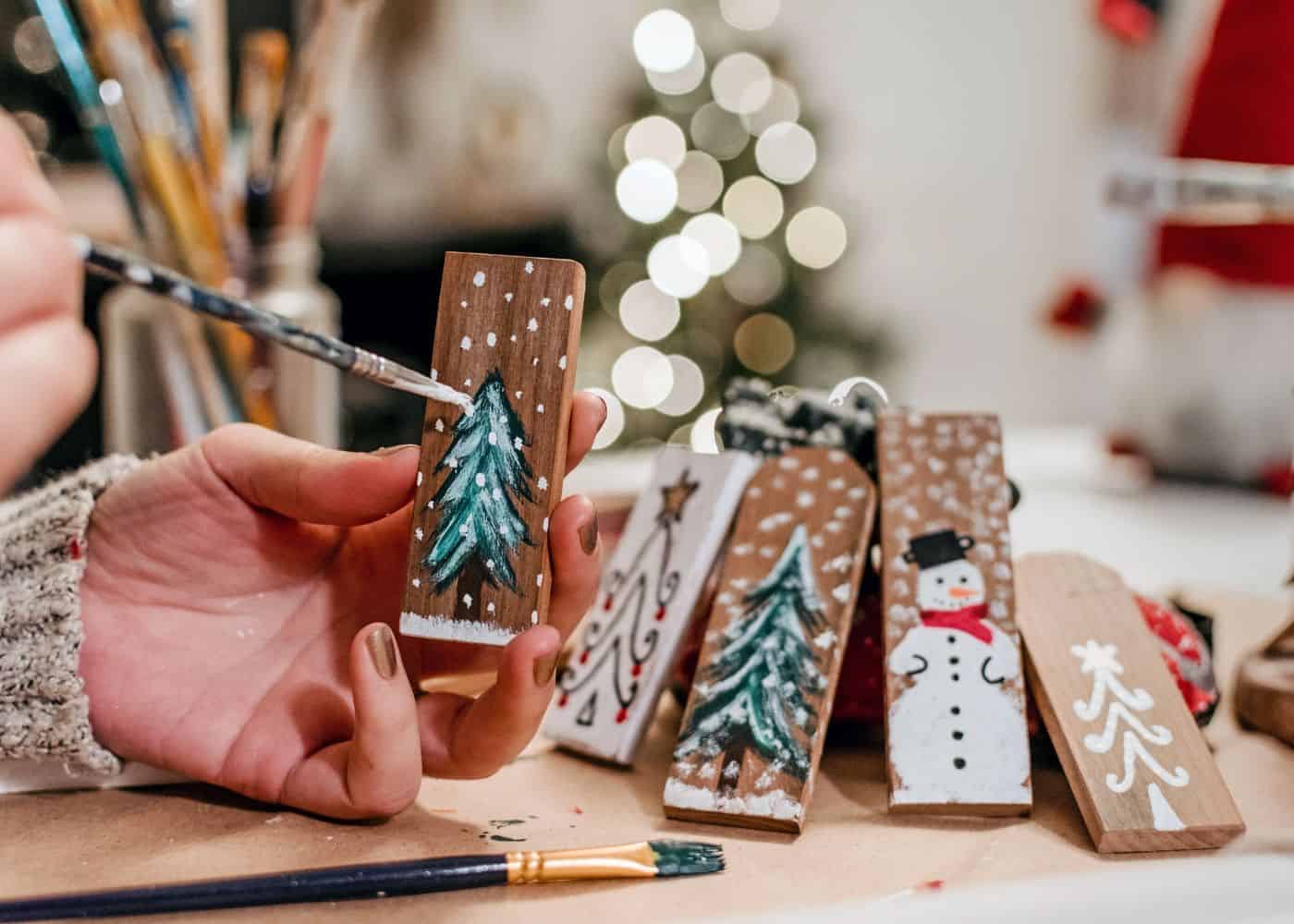
Holiday crafts are one of the simplest ways to slow down and actually enjoy the season. Whether you’re sitting at the kitchen table with a preschooler or setting up a craft night for older kids, making something by hand adds a layer of meaning to any holiday. The decorations you create together tend to be the ones you keep the longest.
This guide covers craft ideas for every major holiday, sorted by age group so you can find something that actually works for your family. You’ll also find tips on supplies and setup to make the whole thing less stressful and more enjoyable.
Why holiday crafts are worth making time for
Crafting with kids is not just a way to fill an afternoon. It builds fine motor skills, encourages creativity, and gives children a sense of accomplishment. When a child glues together a paper turkey or decorates a salt dough ornament, they feel proud of what they made. That feeling matters.
There’s also something grounding about sitting down together with simple materials and a shared purpose. Holidays can feel rushed and overscheduled. Crafting slows things down. It gives everyone something to focus on that isn’t a screen, a schedule, or a to-do list.
Handmade decorations also carry a kind of sentimental weight that store-bought ones don’t. A painted ornament with a child’s handprint from five years ago tells a story. That’s worth something.
Thanksgiving crafts
Thanksgiving is a natural fit for crafting because the themes are so easy to work with. Leaves, turkeys, pumpkins, and gratitude are all things kids understand and enjoy.
For preschoolers
Simple is best with younger kids. A thankful turkey made from construction paper is a classic for a reason. Children trace their hand to form the turkey body and feathers, then write or dictate something they are grateful for on each feather. It takes about 20 minutes and produces something genuinely sweet.
Paper plate pumpkin pies are another easy option. Kids paint the plate in warm fall colors, then add cotton balls on top to represent whipped cream. Both projects use materials you likely already have at home.
For elementary school kids
Older children can handle projects with a few more steps. Fall leaf mason jar candle holders are a good example. Kids collect leaves on a walk, then use Mod Podge to adhere the leaves to the outside of a clear mason jar. When you place a candle inside, the effect is warm and genuinely pretty.
An edible scarecrow treat bag is another fun option that combines crafting with a snack. Kids decorate a brown paper bag to look like a scarecrow, then fill it with popcorn and pretzels. It works well as a party activity or a weekend project.
For older kids and adults
A DIY wreath-making session works well for a group. Set out grapevine wreaths, faux foliage, ribbon, and a hot glue gun. Each person makes their own wreath, which means everyone goes home with something they actually want to display.
A craft swap is another idea worth trying. Each person brings enough supplies to share one type of craft, like bead bracelets or small hand-sewn sachets. Everyone leaves with a new skill and a finished project.
Halloween crafts
Halloween crafts tend to be a big hit because kids love anything spooky or silly. The color palette alone, all orange, black, and purple, makes everything feel festive.
For preschoolers
Handprint black cats on construction paper are easy to pull off and look great on a fridge or window. You press a child’s hand into black paint, stamp it onto orange paper, then add googly eyes and a tail with a marker.
Spooky slime is another crowd-pleaser for sensory-oriented kids. Tint it orange and add plastic spiders for extra effect. Keep this one outdoors if you can.
For elementary school kids
Mason jar lanterns covered in tissue paper make a nice Halloween decoration. Kids tear orange, purple, and black tissue paper into small pieces, then layer them onto the outside of a jar using a diluted glue mixture. Once dry, place a battery-operated tea light inside. It looks great on a windowsill and is completely safe around kids.
DIY apothecary jars are another fun project. Kids fill clear glass jars with fake eyeballs, rubber spiders, or plastic bones, then label them with spooky names. These make great table decorations for a Halloween party.
For older kids and adults
Fabric scrap wreaths are a creative option for a craft night. Cut old fabric into strips and tie them onto a wire wreath form in Halloween colors. No sewing required, and the finished product has a lot of texture and personality.
Christmas crafts
Christmas is probably the holiday with the most craft potential. The traditions are deep, the materials are everywhere, and kids of every age can find something that excites them. We have a full roundup of Christmas ornament crafts for kids if you want to go deeper on that specific category.
For preschoolers
Handprint Santas are always a hit. You press a child’s palm into red paint to form the hat, then use fingers for the fur trim, and add a simple face below. Popsicle stick Christmas trees are another good option. Kids paint the sticks green, glue them in a triangle shape, and decorate with beads or sequins as ornaments.
Tissue paper wreaths made from paper plates are quick and satisfying. Cut the center out of a plate, then have kids stick torn pieces of green tissue paper all over the ring. Add a red bow at the top and you’re done.
Jingle bell bracelets are especially popular with kids who like sensory play. Thread bells onto a pipe cleaner, twist the ends together, and you have a bracelet that jingles with every movement.
For elementary school kids
Salt dough ornaments are a classic that holds up over time. Mix salt, flour, and water, roll out the dough, and cut it into shapes. Bake until hard, then paint and seal. These ornaments last for years, which is part of what makes them special. You can find more inspiration in our post on children’s clay Christmas ornaments.
Mason jar snow globes are another satisfying project for this age group. Fill a jar with water, a few drops of glycerin, and a small plastic figurine. Add glitter, seal the lid tightly with waterproof glue, and flip it upside down. Kids love shaking them and watching the glitter settle.
Paper chain garlands in red and green are simple enough to make in bulk while watching a holiday movie. Paper snowflakes cut from folded paper teach basic geometry without feeling like a lesson.
For older kids and adults
Wood-burned ornaments are a step up in skill but very satisfying. You use a wood-burning tool to etch a simple design onto a wooden disk or cutout. Add a coat of varnish and a ribbon for hanging. These look polished and make thoughtful gifts.
Homemade candles are another good option for adults. Melt wax, add a scent and color, pour into a mold or jar, and let it set. The process is straightforward and the results are genuinely usable. Hand-painted ceramics, DIY advent calendars, and sewn stockings are also worth exploring if you have the time and interest.
If you’re looking for more specific ornament ideas, our posts on pom pom star ornaments and melted crayon ornaments walk you through the full process step by step.
Valentine’s Day crafts
Valentine’s Day crafts work well because they have a clear purpose: making something for someone you care about. That gives kids real motivation to finish the project.
For preschoolers
Heart-shaped handprint cards are an easy starting point. Press a child’s hand into pink or red paint, stamp it onto folded cardstock, and let them scribble a message inside. A heart wreath made from a paper plate and foam sheets is another option that doubles as a decoration kids feel proud to display.
For elementary school kids
Pop-up Valentine cards require a bit more patience but are very rewarding. There are simple templates available online that walk kids through the folding and cutting. Tissue paper flowers are another option that looks more complex than it actually is.
Friendship bracelets made with embroidery floss in shades of pink and red are popular at this age. They make good classroom gifts and most kids can learn the basic pattern with a little practice.
For older kids and adults
Personalized tote bags decorated with fabric markers make thoughtful and practical gifts. Mason jar candles scented with essential oils and decorated with lace or ribbon are another option that feels intentional and personal. Quilling, which uses thin paper strips rolled into shapes to form designs, is a more advanced project that produces beautiful results when framed.
Easter crafts
Easter crafts tend to focus on eggs, bunnies, and springtime colors, which gives you a lot to work with. The season also lines up nicely with outdoor activities, so crafts that incorporate natural materials like flowers, twigs, or leaves fit in well.
Egg decorating
Traditional egg dyeing is always a good starting point, but it doesn’t have to stop there. Painting wooden or plastic eggs gives kids more time to be creative without the pressure of working with a real egg. Glitter salt dough eggs are another option that holds up well as a decoration year after year.
Bunny-themed projects
Bunny handprint cards work the same way as the Thanksgiving turkey version. Stamp a child’s hand in white or gray paint, then add ears, a face, and a cotton ball tail. Popsicle sticks can be used to build small bunny face shapes, which kids enjoy decorating with paint and markers.
Sweet treat crafts
Baking and decorating cookies shaped like Easter eggs, bunnies, or chicks counts as a craft in my book. Kids practice decorating skills, follow a process from start to finish, and get to eat the result. That combination is hard to beat.
Craft supplies worth keeping on hand
You don’t need a lot of specialized supplies to do holiday crafts well. A well-stocked basic kit covers most projects across every holiday and age group.
Construction paper, glue sticks, washable markers, scissors, and paint form the foundation of almost every project on this list. Beyond that, a few extras make a big difference. Googly eyes, pipe cleaners, pom poms, felt sheets, and glitter glue are all versatile enough to use across multiple projects. Battery-operated tea lights are worth keeping around if you plan on making any kind of lantern or jar craft.
Recycled materials also go a long way. Mason jars, cardboard tubes, bottle caps, and old buttons can all become part of a craft with a little imagination. Before you toss something in the recycling bin, it’s worth asking whether it could be useful on the craft table.
If you want ideas for storing all of this, our post on kids craft storage covers practical options that actually work in a family home.
Tips for crafting with kids without losing your mind
A few small adjustments make a big difference in how crafting sessions actually go.
Set up before you invite kids to the table. Having everything cut, sorted, and within reach means you spend less time hunting for scissors and more time actually crafting. Cover the table before you start. A vinyl tablecloth, a sheet of butcher paper, or even old newspaper all work fine.
Choose projects that match your child’s actual skill level, not just their age. A child who struggles with scissors will not enjoy a project that requires a lot of cutting. A child with good fine motor skills might feel bored by something too simple. Pay attention to what they can do and build from there.
Give kids real ownership over their project. That means letting them choose colors, make decisions, and yes, sometimes make a mess. A craft that looks exactly the way an adult would make it isn’t really the child’s work. The process matters more than the outcome.
Finally, keep cleanup simple. Have a damp cloth nearby during the project and a clear end to the session so kids know when it’s time to wash hands and tidy up. Making cleanup part of the routine from the start saves a lot of friction later.
Making holiday crafts a real tradition
The crafts themselves matter less than the consistency of doing them together. When kids know that your family makes ornaments every December, or that you always decorate eggs before Easter, those rituals become part of how they understand and remember their childhood.
You don’t need to do every project on every list. Pick one or two things that genuinely appeal to you and your kids, do them well, and repeat them year after year. That’s how a tradition actually forms.
If you’re looking for more ideas to keep kids engaged across the year, the kids activities section of this site covers everything from rainy day projects to outdoor learning. There’s always something worth trying, no matter the season.