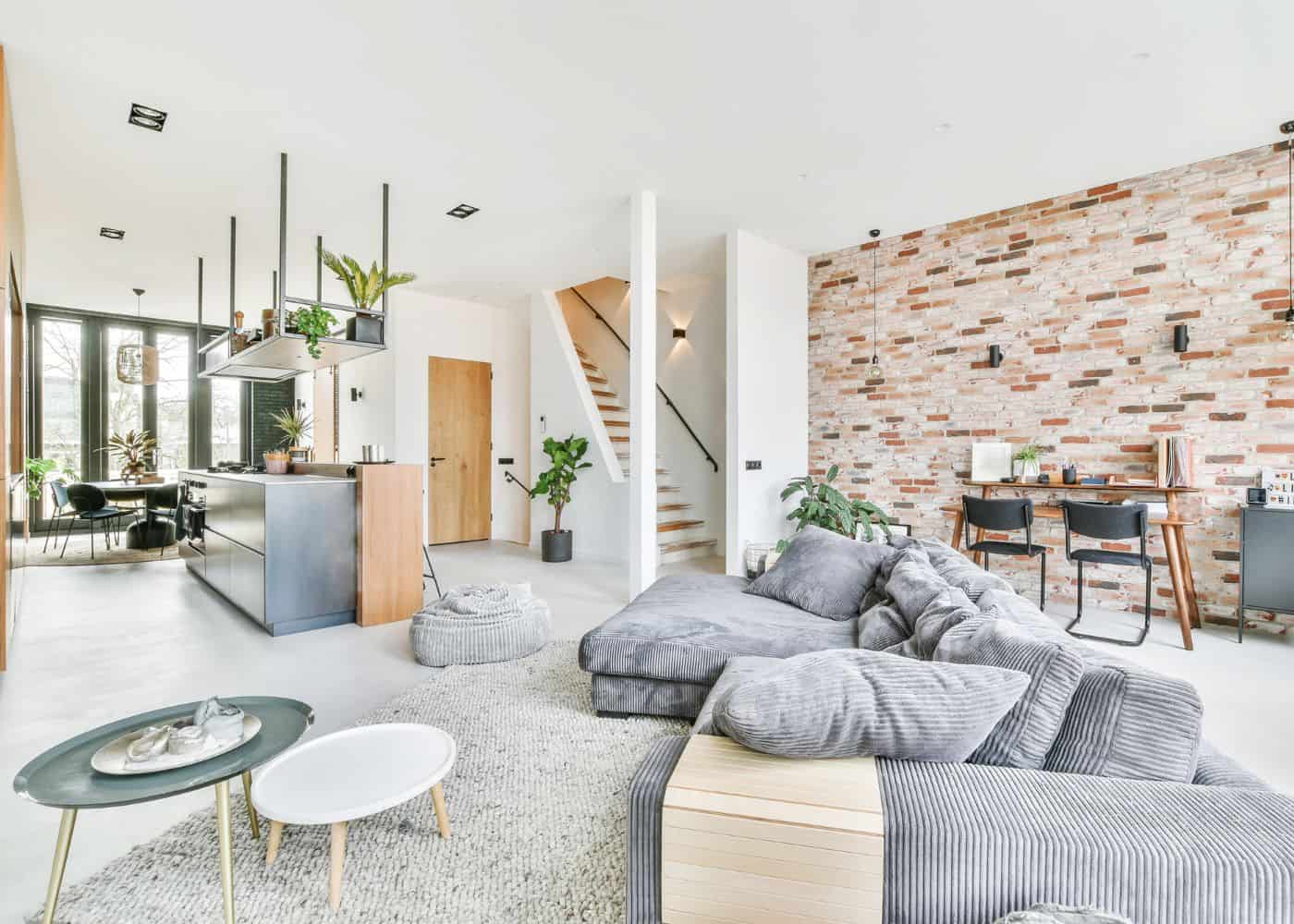
Home decor is one of those topics that can feel bigger than it needs to be. There are so many options, so many opinions, and so many rooms that need attention all at once. But the truth is, creating a home that feels good to live in doesn’t require a designer budget or a complete overhaul. It just requires a clear starting point and a few solid principles to guide your choices.
This guide covers the core elements of home decor in a practical, realistic way. Whether you’re refreshing one room or thinking about the whole house, these ideas will help you build a space your family actually enjoys being in.
Start with a color palette
Color is the foundation of everything else in a room. It affects how a space feels before you even notice the furniture. Choosing your palette first makes every other decision easier.
You don’t need every room to match, but you do want the colors throughout your home to feel connected. A consistent tone across rooms creates flow, even when individual spaces have their own personality. Lighter colors tend to make rooms feel open and airy. Deeper shades add warmth and a sense of coziness.
Start by looking at what you already own and love. Your clothing, your favorite mug, the blanket you reach for every evening. These things often reflect the colors that naturally appeal to you. From there, you can build a palette that feels like you rather than something pulled from a catalog.
A neutral base is a smart move for walls and large furniture pieces. Neutrals give you flexibility. You can shift the mood of a room with small changes like throw pillows, artwork, or plants without repainting every time you want something fresh. Accent colors work best in smaller doses through accessories and textiles.
Organize your space with intention
A beautiful room that’s always cluttered will never feel calm. Organization and decor go hand in hand. When things have a place and that place makes sense, the whole house runs more smoothly.
The first step is letting go of what isn’t working. Clutter builds up fast with a family, and it’s worth doing a regular sort through toys, books, and household items to keep only what gets used. This creates space for the things that matter and makes organizing the rest much simpler.
Multi-functional furniture is one of the best investments you can make. Ottomans with interior storage, beds with built-in drawers, and benches with lift-up lids all do double duty. They reduce visible clutter while keeping everyday items within reach.
Vertical space is often overlooked. Floating shelves and wall-mounted organizers free up floor space while giving you room to display books, plants, and meaningful objects. In kids’ rooms especially, getting storage up off the floor makes a noticeable difference in how the space feels.
Baskets are another reliable option. They come in a wide range of sizes and textures, they’re easy to move around, and they look good in almost any room. Use them in bathrooms, living rooms, entryways, and playrooms. They make tidying up fast because everything just goes in the basket.
For more ideas on keeping your home functional and tidy, the household organization section of the blog has a lot of practical resources.
Bring in some greenery
Plants do a lot of work in a room. They add color, texture, and a sense of life that no decor item can replicate. They also improve air quality, which is a quiet but real benefit in a family home.
If you’re new to indoor plants, start with low-maintenance varieties. Snake plants and succulents are forgiving and grow well in a range of light conditions. Pothos and ZZ plants are also good choices for rooms that don’t get a lot of natural sunlight. Always check whether a plant is safe for children and pets before bringing it home.
Where you place plants matters as much as which ones you choose. A hanging planter in a corner draws the eye upward and adds interest at a different height than everything else. A small terrarium on a coffee table works as a centerpiece. A larger leafy plant in an open-plan space can act as a soft visual divider between areas.
The pot or planter you choose adds to the overall look. Terracotta is warm and earthy. White ceramic feels clean and modern. Woven baskets as pot covers bring in texture. Think about how the container fits with the rest of the room, not just whether it holds the plant.
Invest in quality furniture
Furniture is where your budget has the most impact over time. A cheaper piece might look fine in the store but wear down quickly under the demands of daily family life. Quality pieces hold up better, look better longer, and often cost less in the long run because you’re not replacing them every few years.
When shopping with kids in mind, look for rounded edges rather than sharp corners. Choose fabrics that are stain-resistant or easy to clean. Make sure finishes are non-toxic, especially for anything in a child’s room or play area.
Comfort matters as much as style. A sofa that looks great but nobody wants to sit on isn’t serving its purpose. Think about how your family actually uses each piece. Deep-seated sofas work well for families who pile on together for movie nights. Dining tables that extend are practical for everyday meals and larger gatherings without taking up extra space all the time.
Versatile pieces are worth prioritizing. A convertible sofa bed handles overnight guests without requiring a dedicated guest room. Nesting tables tuck away when not needed. These kinds of choices make your home more adaptable as your family’s needs change.
Get your lighting right
Lighting has more influence over how a room feels than most people realize. The same space can feel cold and harsh or warm and inviting depending entirely on how it’s lit.
There are three main types of lighting to think about. Ambient lighting provides the overall illumination for a room through ceiling fixtures or wall-mounted lights. Task lighting focuses on specific areas where you need more light, like a desk lamp for homework or under-cabinet lights in the kitchen. Accent lighting highlights particular features, such as artwork, shelving, or architectural details.
For most rooms, you want a combination of all three. Relying solely on overhead lighting tends to make spaces feel flat. Adding a floor lamp, a table lamp, or some accent lighting creates layers that make the room feel more intentional and comfortable.
Dimmer switches are worth installing wherever you can. The ability to lower the light in the evening shifts the atmosphere of a room without any effort. For bedrooms and living rooms especially, dimmers give you much more flexibility than a standard on/off switch.
Natural light is always worth maximizing. Use sheer curtains instead of heavy drapes to let sunlight in during the day. A mirror placed across from a window bounces light around the room and makes the space feel larger. If you have rooms that stay dark, consider whether a skylight or additional window might be a worthwhile longer-term investment.
When choosing bulbs, pay attention to color temperature. Warm white bulbs in the 2700 to 3000 Kelvin range suit bedrooms and living rooms well. Cooler tones work better in kitchens and workspaces where you need clear, focused light.
Create comfortable seating areas
A well-arranged seating area is the heart of a family home. It’s where you gather, relax, and spend time together. Getting it right is about more than picking comfortable furniture. The layout and the details around it matter just as much.
Choose seating that prioritizes comfort first. Sectional sofas give everyone room to stretch out. Oversized armchairs are ideal for reading or one-on-one time with a child. Add throw blankets and pillows for texture and warmth. These small additions make a big difference in how inviting the space feels.
Arrange furniture so it encourages conversation rather than everyone facing the screen. Angling chairs toward each other creates a more natural gathering space. If the room allows, position seating near a window to take advantage of natural light during the day.
Rugs anchor a seating area and add softness underfoot. A coffee table gives you a surface for drinks, books, and everyday items. Side tables next to chairs and sofas are practical for lamps and small items. These functional pieces also contribute to the overall look of the room, so choose ones that fit your palette and style.
Add artwork that means something to you
Artwork is one of the fastest ways to give a room personality. It doesn’t need to be expensive or follow any particular trend. It just needs to feel right for your space and your family.
Start by choosing pieces you genuinely like rather than pieces you think you should have. A vintage print, a black-and-white photograph, a painting your child made at school. Any of these can work as wall art if they’re displayed thoughtfully.
Hang artwork at eye level, which is generally around 57 inches from the floor to the center of the piece. Hanging things too high is a common mistake that makes rooms feel off. When in doubt, lower is usually better than higher.
If you have several pieces to work with, a gallery wall is a practical and visually interesting option. Use consistent framing to tie different pieces together, even if the artwork itself varies in style and size. Mixing sizes adds visual interest. Larger pieces anchor the arrangement while smaller ones fill in around them.
Don’t limit yourself to the living room. Hallways, bathrooms, and bedrooms all benefit from a piece or two on the walls. Empty walls in transitional spaces are easy to overlook, but they’re opportunities to make the whole home feel more cohesive and cared for.
Include personal touches throughout your home
The details that make a house feel like your family’s home are the personal ones. Family photos, souvenirs from trips, objects with a story behind them. These are the things that visitors notice and that your family feels every day without even thinking about it.
Family photos don’t have to live only on the mantle or in one dedicated spot. Spread them throughout the house in frames that match your decor. A photo in the hallway, one on a bedroom shelf, one in the kitchen. They add warmth to every room without making any single space feel like a shrine.
Children’s artwork deserves a real display spot, not just the refrigerator door. A dedicated wall in a playroom, bedroom, or hallway rotates in their latest work and shows them that what they create has value. It also adds genuine color and life to the space in a way that no store-bought print can match.
Heirloom furniture and inherited objects bring history into a home. A chair that belonged to a grandparent, a lamp from a family home. These pieces add depth and meaning that new items can’t replicate. They don’t need to dominate a room. Even one or two pieces with a story behind them change the feeling of a space.
Mementos from travel and meaningful gifts from friends work the same way. A small object on a shelf that reminds you of a particular place or person adds more to a room than something chosen purely for its appearance.
For more ideas on organizing and decorating your home in a way that works for your family, browse the home decor ideas and home organization ideas sections of the blog. If you’re working on a specific room, the nursery organization and playroom storage ideas posts are worth a look.
Creating a home you love doesn’t happen all at once. It builds over time through thoughtful choices, practical solutions, and the personal details that reflect who your family is. Start with what matters most to you, work through it steadily, and the rest will follow.