Articles · Household
Household organization
Household organization starts with one idea: everything in your home needs a spot. When each item has a home, putting things away becomes a habit. From there, a few simple tools keep a busy house running. Daily routines cut down on decisions. Small decluttering sessions keep clutter from piling up. A weekly meal plan ends the dinner panic. Bins, baskets, and labels keep surfaces clear. You don’t need a system from a magazine. You need one that works for your family, your space, and your life.
This guide covers the core areas of household organization, from daily routines to decluttering to meal planning and self-care. Take what works and leave the rest.
The basics of home organization
Good organization starts with one simple idea: everything needs a home. When each item has a designated spot, putting things away becomes automatic instead of a decision. That matters a lot when you have a busy house and limited mental energy.
Start by walking through each room and asking whether the items in that space make sense there. Keys that always get lost might need a hook by the front door. Kids’ shoes that pile up in the hallway might need a bin near the entrance. Small changes like these make a big difference over time.
Storage solutions help, too. Baskets, bins, shelving units, and drawer organizers all make it easier to keep surfaces clear. Clear totes work especially well for stored items because you can see what’s inside without opening everything. Labeling them adds another layer of ease, especially when multiple people share the space.
The other piece of the puzzle is regular purging. Clutter builds up gradually, and it helps to set aside time every few months to go through one area at a time. You don’t need to do the whole house at once. Pick one drawer, one shelf, or one closet and sort things into keep, donate, and discard piles. Keeping these sessions short and regular is far more sustainable than a big annual overhaul.
Building routines that stick
Routines reduce the number of decisions you make in a day. When certain tasks happen at the same time each day, they stop feeling like chores and start feeling like habits. That’s the goal.
A good family routine accounts for everyone’s schedules, including school pickups, work hours, and any activities. Start by listing what needs to happen each day and loosely assign each task to a time of day. You don’t need a rigid minute-by-minute schedule. You just need enough structure that nothing important falls through the cracks.
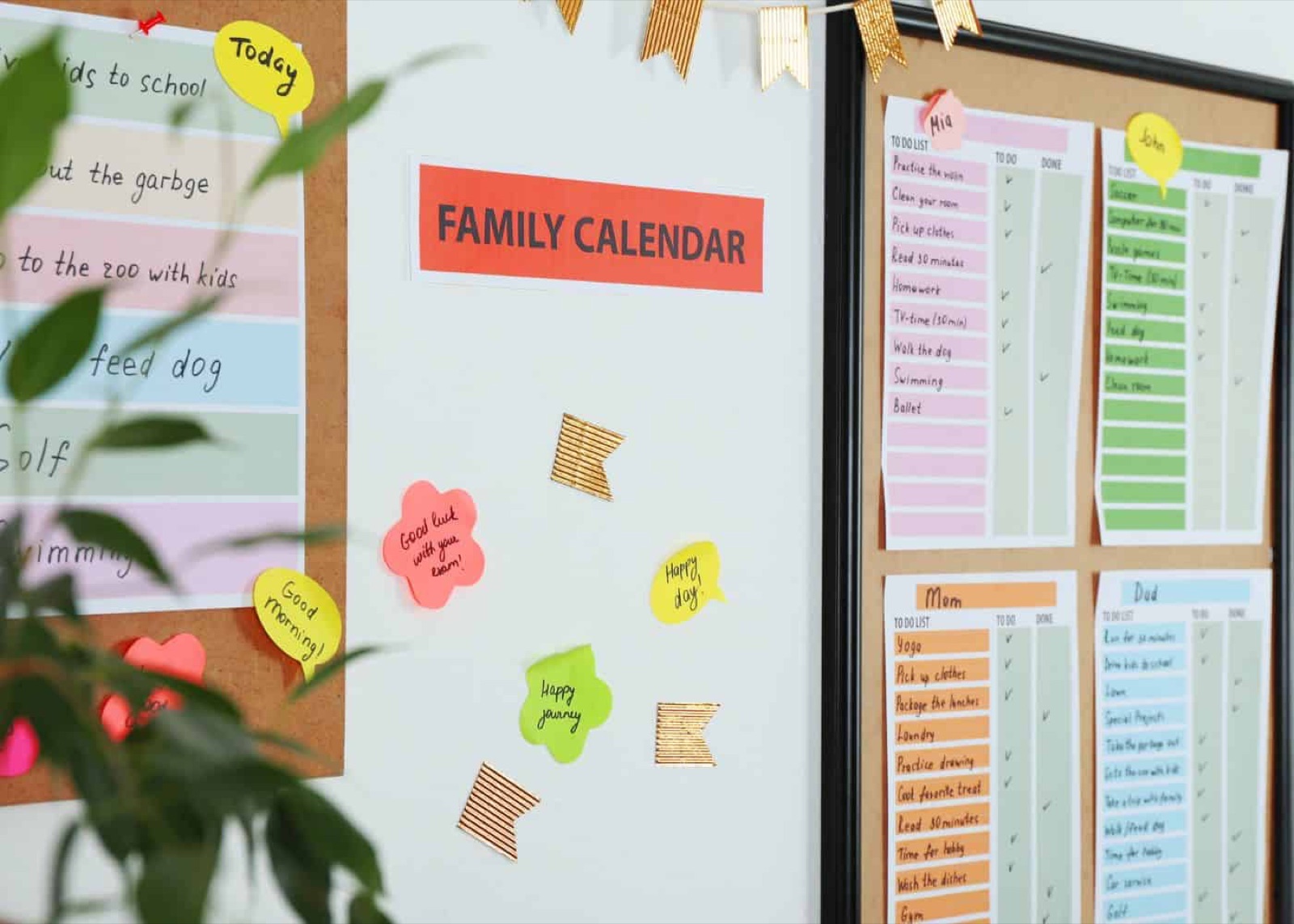
Getting kids involved matters, too. When children know what’s expected of them each day, they tend to cooperate more. A simple morning routine posted on the fridge, or an evening tidy-up that everyone participates in, builds good habits over time without constant reminders from you.
Morning routine ideas
Mornings go more smoothly when a few small habits are already in place. Making beds right after waking up sets a tidy tone for the day. Emptying the dishwasher in the morning means it’s ready to collect dirty dishes throughout the day. A quick sweep of high-traffic floors takes less than five minutes and keeps things from building up.
Daytime routine ideas
During the day, a quick clutter check of common areas helps keep things from piling up. Running at least one load of laundry per day prevents that Sunday-evening mountain of washing. Sorting mail as it arrives stops paper clutter from accumulating on counters. Wiping down surfaces after meals takes about two minutes and makes a real difference by the end of the day.
Evening routine ideas
Evenings are a good time for a 15-minute family tidy-up before bed. Everyone picks up their own things and returns them to their proper places. Taking a few minutes to look at tomorrow’s calendar, prep school bags, and lay out clothes in the evening removes a lot of morning stress. Running the dishwasher before bed means clean dishes are ready in the morning.
Weekly routine ideas
Once a week, it helps to spend a bit of time on bigger-picture tasks. Meal planning over the weekend makes the whole week feel more manageable. A short family check-in to review the week’s schedule and divide up chores keeps everyone on the same page. A grocery run based on a planned list saves time and reduces impulse buying.
Decluttering your home
A clutter-free home is easier to clean, easier to maintain, and genuinely less stressful to live in. That’s not a small thing. When your home feels calm, the rest of your day tends to follow.
The key to sustainable decluttering is working in small segments rather than trying to tackle everything at once. Choose one area, like a linen closet, a kitchen drawer, or a shelf in the garage, and focus there. Once it’s done, move on to the next. Progress happens faster than you’d expect.
When sorting, create three categories: keep, donate, and discard. Be honest about what you actually use. An item that’s been sitting untouched for a year probably doesn’t need to stay. Once you’ve cleared things out, assign proper homes to what remains and add storage solutions where needed. Clear bins work well for storage areas, and labels help the whole family know where things belong.
After the initial declutter, the maintenance phase matters most. When new items come into the house, give them a home immediately. That habit alone prevents the slow creep of clutter from coming back.
Meal planning
Meal planning is one of the highest-return investments of time you can make as a parent. Spending 20 minutes over the weekend deciding what’s for dinner each night eliminates that daily 4:30 pm panic entirely.
Start by checking what you already have before building a meal plan. This prevents duplicate purchases and cuts down on food waste. From there, plan a week’s worth of dinners, keeping in mind your schedule. Busy nights call for simpler meals. Nights with more time at home are good for recipes that take a bit longer.
Variety matters when you’re feeding a family week after week. Theme nights are a practical way to add structure without sacrificing creativity. Taco Tuesday or pasta Thursday gives everyone something to look forward to and makes the planning process faster for you.
Batch cooking is another solid strategy. Preparing larger quantities of certain dishes on the weekend, then storing portions in the freezer, means some weeknight dinners only need reheating. That kind of preparation makes a real difference on long days.
Time management at home
Managing a household involves a lot of competing demands. Time blocking is one of the most effective ways to handle them without feeling constantly behind. Rather than working from a never-ending to-do list, assign specific tasks to specific windows of time in your day. Cooking, laundry, helping with homework, and personal time all get their own slot.
Timers are useful for keeping tasks from expanding beyond their intended time. Setting a 20-minute timer for tidying a room keeps it from turning into a two-hour project. Using a shared family calendar, whether digital or paper on the fridge, keeps everyone’s schedules visible and reduces the chance of double-booking or missed appointments.
Prioritization also helps. Not everything on a to-do list is equally urgent. Identifying the two or three tasks that truly need to happen today, and focusing on those first, is a far more effective approach than trying to do everything at once.
Budgeting basics for families
A household budget is simply a plan for where your money goes. It doesn’t need to be complicated to be effective. Start by listing all income sources and all regular expenses, both fixed costs like rent or mortgage payments and variable costs like groceries and gas.
From there, categorize your spending and look at where the numbers land. Are you spending more in any category than you’d like? Are savings built into the plan? Treating savings as a fixed expense rather than whatever’s left over at the end of the month is one of the best habits you can build.
Budget apps like Mint or YNAB can take the manual tracking out of the process. They link to bank accounts and show spending patterns in a visual format, which makes it easier to notice where adjustments are needed. The right system is whichever one you’ll actually use consistently.
Room-by-room home organization
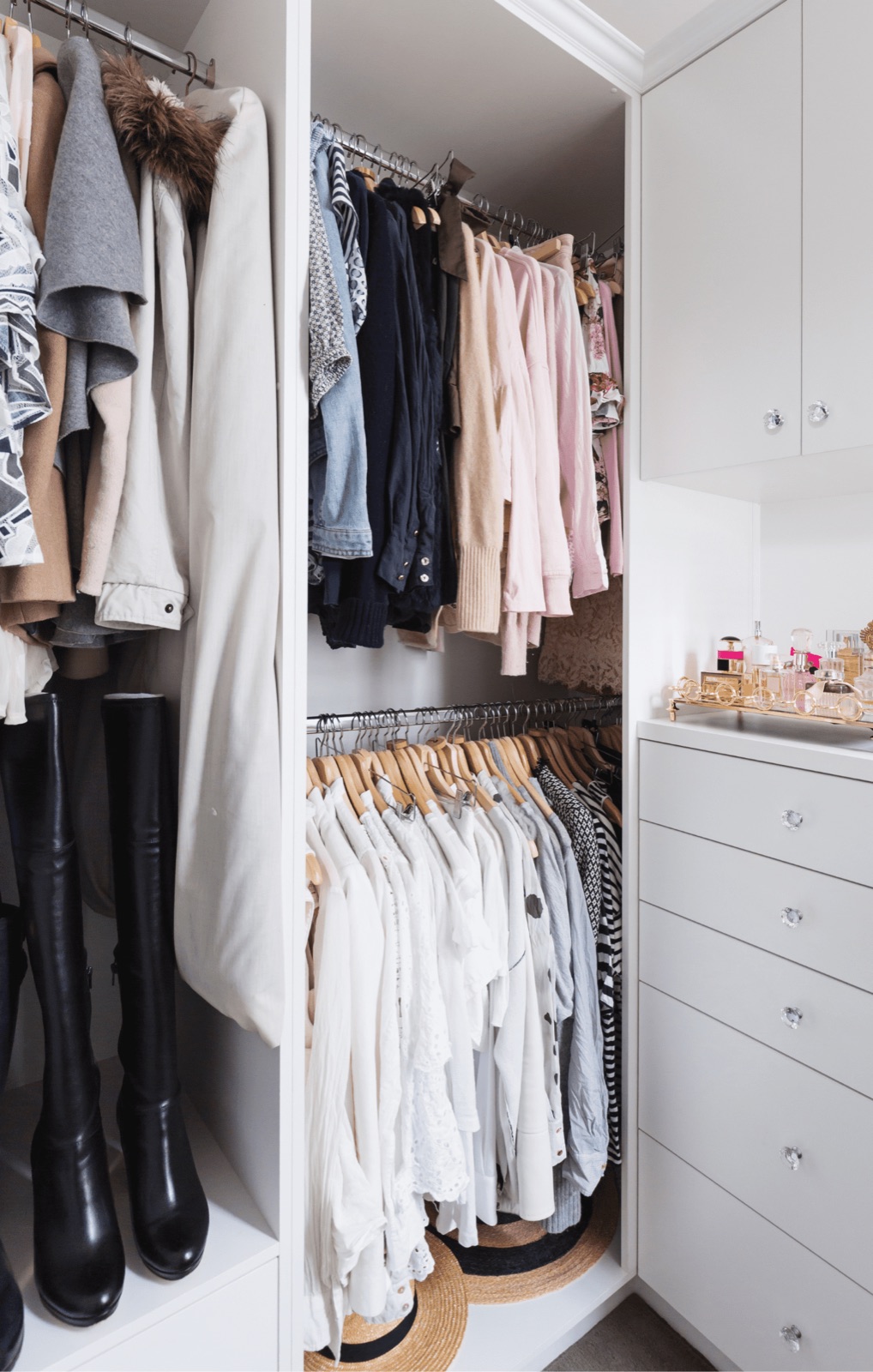
Working through the house one room at a time makes the whole project feel more manageable. Starting with smaller spaces, like a closet or an entryway, gives you quick wins that build momentum for tackling larger areas.
Vertical space is often underused. Installing shelves above desks or dressers, adding hooks behind doors for coats and bags, and using wall-mounted organizers in the kitchen all free up floor and surface space without requiring extra square footage.
Kids’ spaces deserve their own approach. When children have clearly labeled, accessible spots for their belongings, they’re far more likely to put things away on their own. Low bins for toys, hooks at kid height for backpacks, and simple shelving for books all support independence while keeping shared spaces tidy. You can find more ideas in our playroom storage ideas and nursery organization guides.
The kitchen is often the hardest room to keep organized because it sees so much daily use. Pull-out cabinet organizers, door-mounted racks in the pantry, and labeled containers for dry goods all help. A well-organized kitchen also supports meal planning because you can see what you have at a glance. Our small kitchen storage ideas post has a lot of practical options worth looking at.
Cleaning strategies that are actually sustainable
Deep cleaning the whole house every week isn’t realistic for most families. What works better is a combination of small daily habits and a rotating weekly schedule that spreads tasks out over time.
The 15-minute daily tidy is one of the most effective tools for maintaining an organized home. Pick one area each day and spend 15 minutes on it. It doesn’t need to be perfect. The point is consistent, small effort rather than occasional marathon sessions.
A weekly cleaning schedule takes the guesswork out of what needs to happen when. Laundry on Monday, bathrooms on Tuesday, floors on Wednesday, and so on. Align your schedule with the rest of your week so it fits naturally rather than adding stress. When cleaning tasks are predictable, they’re easier to follow through on.
Don’t forget high-traffic areas. Kitchen counters, the dining table, and the entryway tend to collect clutter quickly. Giving these spots a quick wipe-down and tidy at the end of each day prevents the buildup that makes cleaning feel like a big job. For more ideas, our house cleaning tips page covers a wide range of strategies.
Shopping smarter
A little planning before you shop saves both time and money. Starting with a list based on your meal plan and actual household needs keeps you from buying things you already have or impulse purchases that don’t fit your budget.
Grouping list items by store section, produce together, dairy together, pantry items together, makes the trip faster and more efficient. Coupons and sales are worth using on items you regularly buy, but they’re not worth buying something you don’t need just because it’s on sale.
Buying in bulk works well for non-perishables that your family uses consistently, like toilet paper, canned goods, or dry pasta. It doesn’t work as well for perishables, which may go bad before you use them. Online grocery delivery or curbside pickup is genuinely useful for busy weeks, though it’s worth factoring in any service fees when you’re comparing the real cost.
Taking care of yourself, too
All the organization in the world doesn’t work well if you’re running on empty. Self-care isn’t a luxury. It’s what makes everything else sustainable.
That starts with the basics: eating regular meals, getting enough sleep, and making some space in your day that belongs to you. Even 15 minutes set aside for something you enjoy, reading, a walk, quiet coffee before anyone else wakes up, makes a real difference in how you feel and how you show up for your family.
Creating a small personal space in your home also helps. It doesn’t need to be elaborate. A chair in the corner with a few things you love, a tidy desk with good lighting, or even a specific drawer that’s just yours can give you a sense of having something that’s your own within a shared household.
Scheduling time for yourself isn’t selfish. It’s practical. When you feel rested and cared for, you have more capacity for everything and everyone else. That’s worth protecting.