
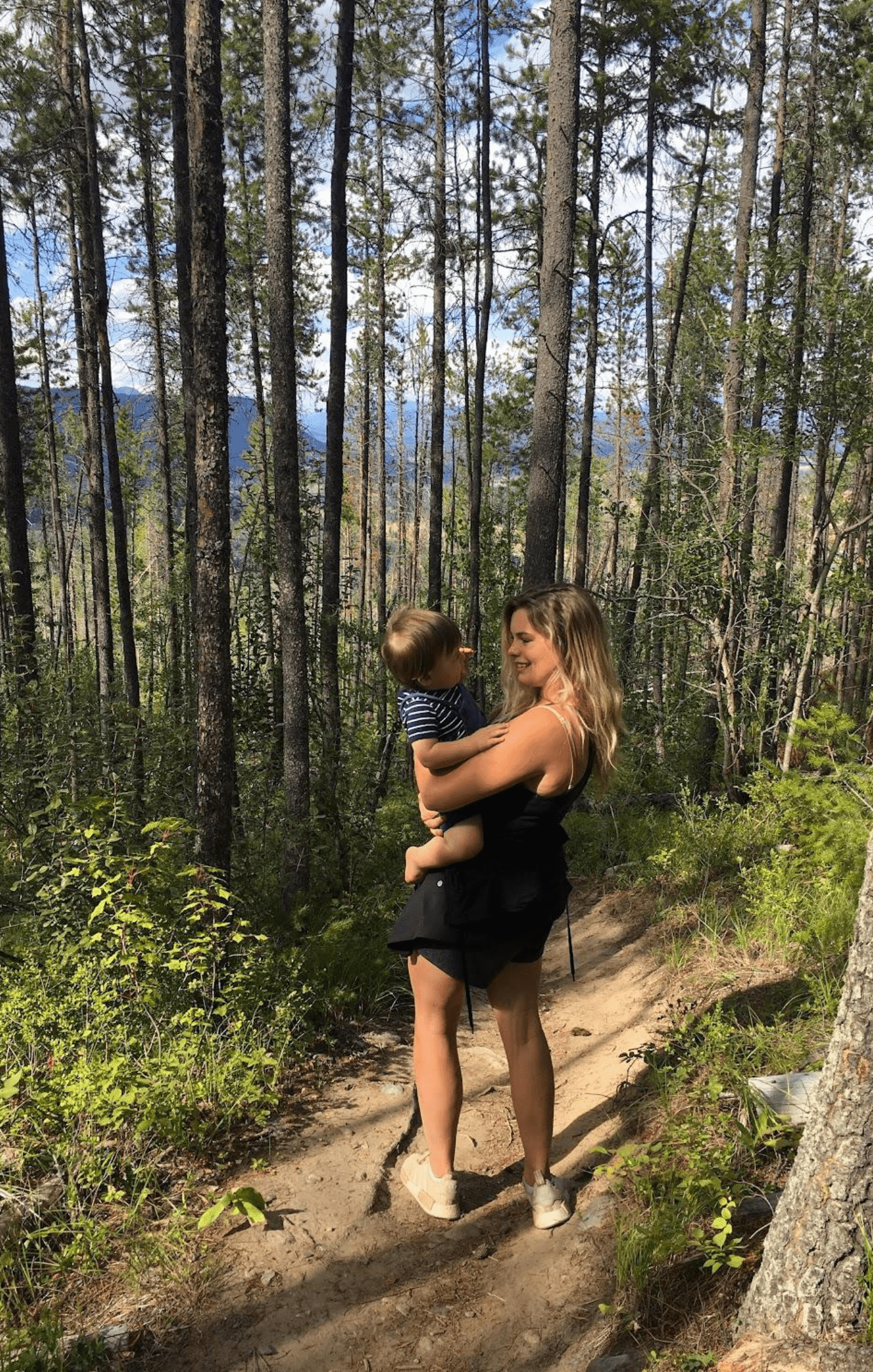
Hiking with toddlers
Getting outside with a toddler is one of the best things you can do together. Hiking builds physical strength, sparks curiosity, and gives both of you a reason to put down screens and breathe fresh air. It does take some planning, but once you have a solid routine, it becomes one of those activities your family will come back to again and again.
This guide covers everything you need to know before heading out. We’ll go through what to pack, how to pick the right trail, how to keep things safe, and how to make the whole experience something your child actually enjoys.
What to bring for your toddler
Packing smart makes a real difference on the trail. A small backpack for your toddler is worth having, even if it only carries a water bottle and a snack. It gives them a sense of ownership over the hike, and it keeps their hands free for climbing and exploring. Pack a full change of clothes in your bag too, because mud, puddles, and spills are basically guaranteed.
A whistle is one item I never skip. Clip one to your toddler’s pack or jacket zipper and explain that it is only for emergencies. Three short blasts is the standard signal for help. Practice it with them at home so it feels familiar before you ever need it.
A few small toys or a simple activity can help during rest breaks. You do not need much, but having something on hand to redirect a restless child is genuinely useful.
What to pack for yourself
Your own pack needs just as much thought. The ten essentials are a well-known framework in the hiking world, and they hold up for a reason. No matter how short the trail is, these are worth bringing every single time.
Bring extra water. For a day hike, an extra liter or two is a good baseline. On longer trips, a water filter gives you more flexibility. Carry more food than you think you will need. Snacks that travel well include bananas, apples, dried fruit, trail mix, and nut-based bars. These give lasting energy and help replace salts lost through sweat.
Pack layers based on the weather, but plan for conditions to change. A compass and paper map are worth having even if you rely on your phone for navigation. A first aid kit should include supplies for scrapes, blisters, and bug bites, since those are the most common issues with young children on the trail. A multi-tool, emergency bivvy, fire-starting equipment, and a headlamp with extra batteries round out the list. Sun protection matters for both of you, so pack a hat, sunscreen, and sunglasses.
Choosing a carrier for the trail
Most toddlers will want to walk, and that is great. But they will also get tired. Having a carrier on hand means you are not stuck when their legs give out two kilometers from the trailhead.
A structured hiking carrier is worth the investment if you plan to hike regularly. It distributes your child’s weight more evenly than an unstructured option and makes a long carry much more manageable. Options include framed backpack carriers, soft structured carriers, and hip carriers. The right choice depends on your child’s size, your body, and how long you typically hike. Staff at an outdoor gear store can help you find a fit that actually works.
How to prepare before you leave home
Talk to your toddler about the hike before you go. Show them photos of the trail or area if you have them. Explain how long you will be walking and what they might see. Children do better when they know what to expect, and a little advance conversation goes a long way toward a cooperative start.
Dress them in comfortable clothes that suit the weather. Well-fitting shoes and thick socks are non-negotiable. Blisters are miserable for anyone, and a child with sore feet will not want to hike again. Go through both of your packs together before heading out. This is a low-key way to teach trail safety and gets them genuinely involved in the preparation.
Safety tips worth covering ahead of time
Before you hit the trail, go over a few basic safety rules with your child. Keep it simple and positive. Tell them not to eat any plants or berries they find, to stay back from steep edges, and to stay where they can see you. Review the whistle rule again. Make sure they know that if they ever feel lost, they should stop walking, blow the whistle three times, and wait.
You can also look at our outdoor activities section for more ideas on building outdoor confidence with young children.
Tips for a good hike with a toddler
Start with short, easy trails. A flat path through a local park counts as a real hike for a two or three-year-old. Build up gradually as they get stronger and more comfortable. Asking a park ranger or posting in a local hiking group is a great way to find beginner-friendly routes near you.
Plan more snack breaks than you think you need. Toddlers burn through energy quickly and tend to communicate hunger through behavior rather than words. Offering food and water before they ask helps keep the mood steady. Pack more than you expect to use.
Let your child set the pace. Rushing them causes frustration and exhaustion. If they stop to watch a beetle or pick up a rock, let them. That curiosity is exactly why hiking is so good for this age group. Slowing down to match their rhythm often leads to the best moments of the whole trip.
Plan for frequent rest breaks and bring a couple of simple games or songs for those pauses. Singing while walking is underrated as a trail strategy. It keeps energy up and makes distance feel shorter.
For more ideas on keeping toddlers engaged outdoors, the summer activities for toddlers page has plenty of inspiration to draw from.
Where to start hiking with young children
Local parks and nature centers are the best starting point. The paths are maintained, the terrain is gentle, and you are never far from your car if things go sideways. For a toddler, a looping trail through the trees feels like a real adventure even if it is only a kilometer long.
National and provincial parks are a natural next step once your child has a few hikes under their belt. Trails are well-marked, and the scenery tends to hold a child’s attention in a way that flatter paths do not. Rangers are also a good resource if you have questions about trail difficulty or wildlife.
Forest service trails and backcountry routes are better saved for when your child is older and more experienced. These trails are often unmarked and less traveled. Navigation skills matter more out there, and the margin for error is smaller when you are carrying a tired three-year-old.
What to do if your toddler gets lost or very tired
Prevention is the real answer here. A well-rested child who has eaten recently and practiced the whistle rule is far less likely to panic or wander. Hike with another adult when you can, so one person can focus entirely on the child while the other handles navigation.
Stay on the trail. It sounds obvious, but it is easy to drift off-path while chasing a curious toddler. Keeping to marked routes makes it much easier to find your way back and makes it easier for others to find you if needed.
If your child does get separated from you, try to stay calm. Panic leads to poor decisions. Stop, take a breath, and think through the situation. If your child has their whistle, listen for it. If you need to move, go slowly and keep calling out. Most of the time, a toddler who feels lost will stop and stay close to the last place they felt safe.
How to make hiking fun for toddlers
Turning the hike into a game is one of the most effective ways to keep a young child motivated on the trail. A simple nature scavenger hunt works really well. Before you leave, put together a short list of things to spot along the way, like a smooth rock, a pinecone, a bird feather, or an animal track. You can draw pictures if your child is not yet reading.
I Spy is another easy option that needs no supplies at all. You can also make up simple songs about things you see as you walk. Toddlers love repetition and often enjoy hearing the same silly song about a muddy puddle or a tall tree on repeat.
Letting your child lead for short stretches gives them a sense of confidence. It also tends to speed them up, since most toddlers walk faster when they feel like they are in charge of the direction. You can always guide gently from behind.
Hiking is also a natural time to introduce ideas like Leave No Trace. Keeping the trail clean, not disturbing plants or animals, and packing out everything you bring in are habits that start early and stick. You do not need to make it a lecture. Just model the behavior and explain it simply as you go.
For more ways to bring learning outdoors, check out our guides on outdoor learning and science activities for preschoolers.
Building a habit that lasts
The goal of hiking with a toddler is not to cover distance. It is to help them build a good feeling about being outside. Children who enjoy outdoor time at this age tend to carry that through childhood and beyond. Keep the stakes low, the snacks plentiful, and the expectations flexible.
Some hikes will go exactly as planned. Others will end early because someone melted down at the trailhead. Both count. The more you go, the more your child learns what hiking feels like and what they are capable of. That confidence builds slowly and honestly, one short trail at a time.
Pack your ten essentials, put on good socks, and head out. You are ready.




Leave a Reply