
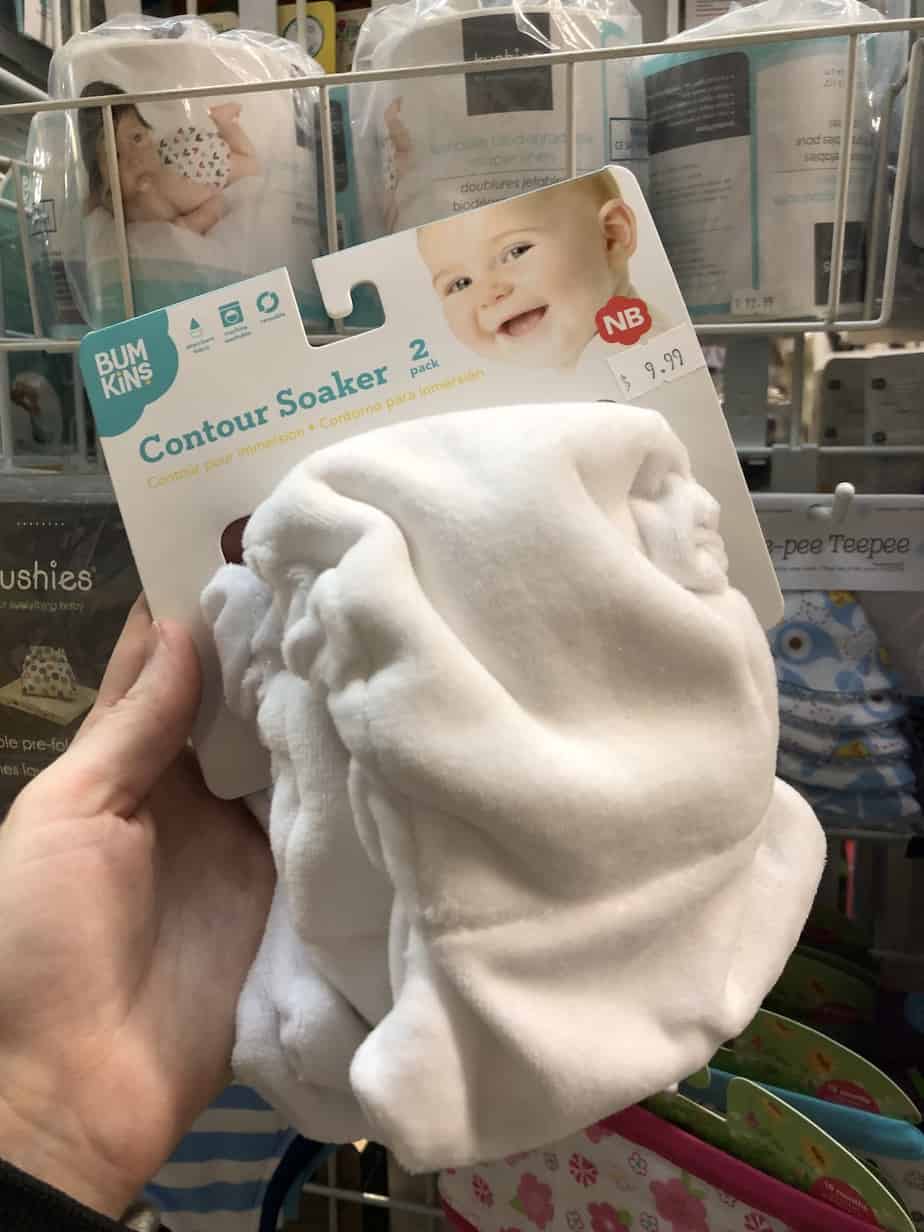
One of the first practical questions new parents ask when considering cloth diapers is simply: how many do I actually need? It sounds straightforward, but the answer depends on how often you plan to do laundry, whether you have twins, and what style of diaper you choose. Here is what you need to know before you buy.
How many newborn cloth diapers do you need?
Most parents do well with 25 to 35 cloth diapers on hand during the newborn stage. That number gives you enough to work with while a load is in the wash. If you plan to do laundry every single day, you can get by closer to 20. If you prefer to wash every other day, aim for 30 or more.
The reason you need so many comes down to how often newborns need changes. A newborn goes through roughly 10 to 15 diapers per day. That adds up fast. Having a solid stockpile means you are not scrambling when a wash cycle runs long or life gets busy.
How often do newborns need diaper changes?
Newborns feed frequently, and their digestive systems move quickly. Most babies need a fresh diaper every two hours or so during the day. At night, many parents find they can go longer between changes, sometimes up to 12 hours, especially with a good overnight diaper that has extra absorbency.
As your baby gets older, the frequency of changes decreases. By the time you are approaching potty training, you will need far fewer diapers on hand. So the investment you make in the newborn stage carries you through a long stretch of time.
How many cloth diapers do you need for twins?
If you have twins, double your target number. Aim for at least 60 to 70 cloth diapers total. You have two options for managing the volume. You can wash more frequently and keep a smaller stash, or you can buy more diapers upfront and wash less often. Most parents of twins find that buying more diapers reduces daily stress considerably.
Choosing a one-size diaper style helps here. One-size diapers adjust as your babies grow, so you are not buying separate sizes for each child. You will also want plenty of wipes on hand. Plan for around 30 cloth wipes per day across both babies if you are going the cloth wipe route too.
Why parents choose cloth diapers
The three most common reasons parents switch to cloth are cost savings, environmental impact, and gentleness on baby skin. Disposable diapers contain synthetic materials and chemical absorbents. Cloth diapers, particularly those made from natural fibers, tend to be softer against sensitive newborn skin and are linked to fewer cases of diaper rash.
From a cost perspective, even buying 30 quality cloth diapers is far less expensive over a year than purchasing thousands of disposables. If you have more than one child, the savings multiply. A well-cared-for set of cloth diapers can last through a second baby, though the absorbency does decrease with heavy use over time.
On the environmental side, disposable diapers contribute significantly to landfill waste. Each baby goes through roughly 4,000 to 6,000 disposable diapers before potty training. Reducing that number, even partially, makes a real difference. If keeping your home organized and reducing waste are both priorities for you, cloth diapering fits naturally into that mindset.
How long do cloth diapers last?
The elastic and absorbent layers in cloth diapers wear out over time. Most parents find that a quality set lasts about one to two years with regular use and proper washing. If you use the same set for a second child, expect some reduction in performance, particularly in absorbency.
When you first buy new cloth diapers, plan to wash and dry them five or so times before using them on your baby. This pre-washing process increases absorbency. Make sure each diaper dries fully between washes during this prep stage.
The brand you choose matters quite a bit here. Higher-quality diapers use better elastic and more durable fabrics, which means they hold up longer through repeated washing.
Do you need diaper covers too?
If you are using prefold or flat cloth diapers, yes, you will need covers. A diaper cover acts as the waterproof barrier between the absorbent diaper and your baby’s clothing. Most parents find that 6 to 8 covers is enough, since covers only need washing when they get soiled. If a cover stays clean, you can simply air it out and reuse it.
Covers made from soft fabrics are gentler on baby skin than stiff plastic-style covers. They are designed to be durable and reusable, just like the diapers themselves. Having a couple of extra covers set aside is a good idea, especially during the early weeks when blowouts are more common.
Can you have too many cloth diapers?
Yes, it is possible to overbuy. If you purchase 50 diapers but only ever need 25, you have spent money that did not need to be spent. Think about your laundry habits honestly before placing a large order. If daily laundry feels manageable, start with a smaller stash. You can always add more later.
If you end up with more diapers than you need, save them for a future child or donate them to a local family, shelter, or thrift store. They should not go to waste.
Tips for building your cloth diaper stash
One of the smartest moves you can make is to add cloth diapers to your baby shower registry. Asking for them as gifts covers much of the upfront cost before your baby even arrives. You may only need to purchase a small number yourself to round out the stash.
It also helps to try a few different brands before committing to one style. Some diapers fit better on certain body types, and absorbency varies between brands. Buying a small sample of a few styles first can save you from buying 30 of the wrong kind. This is especially worth doing if this is your first time using cloth diapers.
If you are still in the planning stages, our post on nursery organization has some useful ideas for setting up a diaper changing area that actually works day to day. And if you are thinking ahead to potty training, the best potty training books for parents is a good resource to bookmark for later.
Quick summary
For a single newborn, 25 to 35 cloth diapers is a practical starting point. For twins, aim for 60 to 70. Wash diapers daily to keep the stash manageable, and plan for 6 to 8 diaper covers if you are using a style that requires them. Pre-wash new diapers before first use, replace them when absorbency declines, and do not overbuy before you know what works for your family.
Cloth diapering does require more planning than tossing disposables in a cart, but for many families the cost savings, reduced waste, and skin benefits make it well worth the effort.




Leave a Reply