
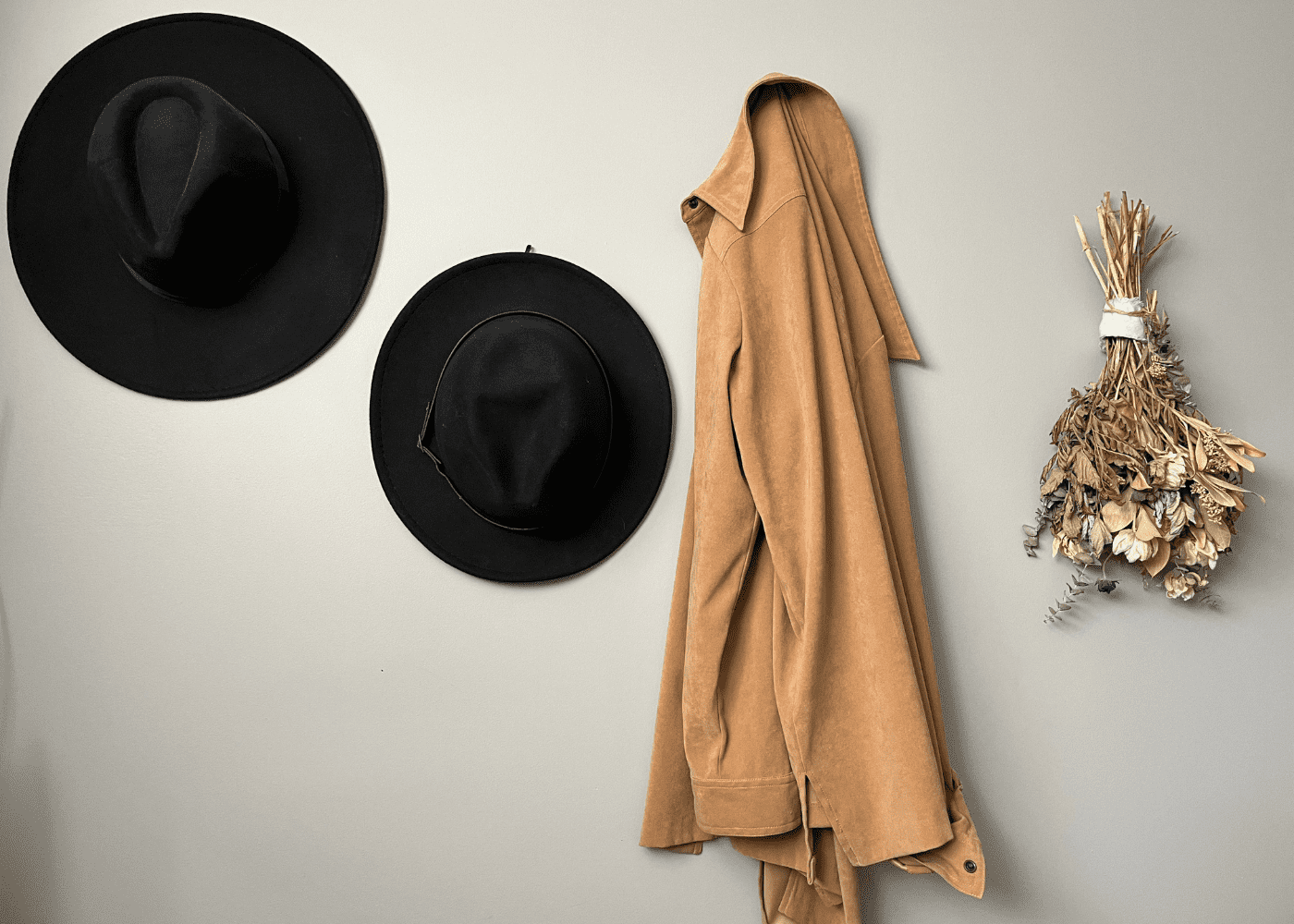
The entryway is the first thing people see when they walk into your home. It sets the tone for the whole space. A bare wall in that area is not a problem. It’s an opportunity. With the right approach, you can turn it into something that feels both welcoming and personal.
Here are ten practical ways to decorate an entryway wall, whether you’re working with a small nook or a wide open stretch of space.
Large-scale artwork
One statement piece of art can do a lot of work in an entryway. A large canvas or print fills the wall without requiring you to arrange multiple pieces. It draws the eye and gives the space a clear focal point. When choosing the artwork, look for something that reflects your taste. Abstract prints work well if you want something open-ended. A landscape or cityscape can add meaning if it connects to a place that matters to you. The key is scale. The piece should feel proportional to the wall, not lost on it.
Gallery wall
A gallery wall is a good choice if you have a collection of photos, prints, or small artworks you want to display together. It can include family photos, art you’ve collected over the years, or a mix of both. The result feels personal without being cluttered, as long as you plan it out first.
Start by laying everything out on the floor. Arrange and rearrange until the grouping feels balanced. Then transfer it to the wall, working from the center outward. Keeping frames in similar tones or styles helps the whole thing feel cohesive, even if the images vary. A DIY photo string display is a relaxed alternative if you want something a little more casual than framed prints.
Consistent color palette
Whatever you put on your entryway wall, it helps to work within a consistent color palette. This does not mean everything has to match exactly. It means the colors you choose should feel like they belong together. If your entryway has warm wood tones and neutral walls, lean into that with your decor choices. If you have bolder paint colors, look for art and accessories that pull from those same shades. A cohesive palette makes the space look intentional rather than assembled from random pieces.
Mirror wall
Mirrors are one of the most practical things you can put in an entryway. They reflect light, make the space feel larger, and give you a place to check yourself before heading out. A single large mirror makes a strong statement on its own. A grouping of smaller mirrors creates something more decorative. Either way, think about placement carefully. Positioning a mirror across from a window lets it bounce natural light deeper into the space. If your entryway is narrow, a tall mirror can make the ceiling feel higher.
For style, match the frame to the rest of your home decor. A clean metal frame suits a modern space. An ornate or worn wood frame works well in a more traditional or eclectic home.
Vintage frames and antique artwork
Antique art and vintage frames add texture and history to an entryway. They feel collected rather than purchased as a set, which gives the space character. Estate sales, thrift stores, and flea markets are reliable places to find them at reasonable prices. Online auction sites are also worth checking, especially if you are looking for something specific. You do not need to know a lot about art history to find something you love. Just look for pieces that catch your eye and feel right for the space.
Shiplap accent wall
Shiplap adds texture and warmth to a wall without requiring artwork or decor to fill it. The horizontal planks create a clean, layered look that works in farmhouse, coastal, and transitional spaces. It is a more involved project than hanging a print, but the result is a wall treatment that feels structural and considered. If you are comfortable with basic DIY work, there are clear tutorials available to walk you through the installation process.
Statement wallpaper
A bold wallpaper in the entryway makes an immediate impression. Because the entryway is a smaller area in most homes, you can use a pattern you might find overwhelming in a larger room. A dramatic floral, a graphic print, or a textured design can all work well here. Limit the wallpaper to one wall to keep the space from feeling too busy. Follow the manufacturer’s instructions carefully during installation, and take your time with alignment so the pattern sits straight.
Painted accent wall
Paint is the most accessible option for changing how a wall feels. A single accent wall in a deep or contrasting color can anchor the entryway and give it more visual weight. Neutral tones like warm whites, soft greiges, and muted greens are easy to live with long-term. If you want something bolder, a deep navy, forest green, or charcoal can look striking when paired with light-colored trim. Paint is also easy to change, which makes it a low-risk way to experiment with color before committing to something more permanent. For inspiration on how color fits into the bigger picture, the home organization ideas section has some helpful room-by-room examples.
Entryway lighting
Lighting often gets overlooked in entryways, but it matters more than most people realize. A well-lit entryway feels welcoming. A dim one feels cramped. If your entryway does not have much natural light, a table lamp or a tall floor lamp can warm the space considerably. Wall sconces are another option if you want to keep the floor clear. Choose a fixture that fits your style, since it will be one of the first things guests notice when they walk in.
Display functional items with intention
Not everything on an entryway wall needs to be purely decorative. Hooks for hats, jackets, and bags serve a real purpose while adding personality to the space. If you reach for the same items every time you leave the house, displaying them on the wall keeps them accessible and removes clutter from other surfaces. A row of simple hooks or a wall-mounted rack can look intentional and styled when placed at the right height and kept tidy. This approach works especially well in homes where the entryway also functions as a mudroom.
A few things to keep in mind
Whatever direction you choose, a few general principles apply. Hang art and mirrors at eye level, roughly 57 to 60 inches from the floor to the center of the piece. That height works for most people and feels natural when you walk past. If you are arranging a grouping, treat the whole collection as one unit and center it at that height rather than spacing things out individually.
Scale matters in every entryway, no matter the size. Pieces that are too small get lost. Pieces that are too large feel forced. Take measurements before you buy, and use painter’s tape on the wall to map out the size of what you are considering before committing.
Finally, the entryway does not need to be finished all at once. Start with one or two pieces you genuinely like, and let the rest come together over time. A space that builds gradually tends to feel more authentic than one that was put together in a single shopping trip.
For more ideas on how to style and organize the spaces in your home, take a look at the home decor ideas section, or browse the full range of household organization posts for practical room-by-room guidance.




Leave a Reply