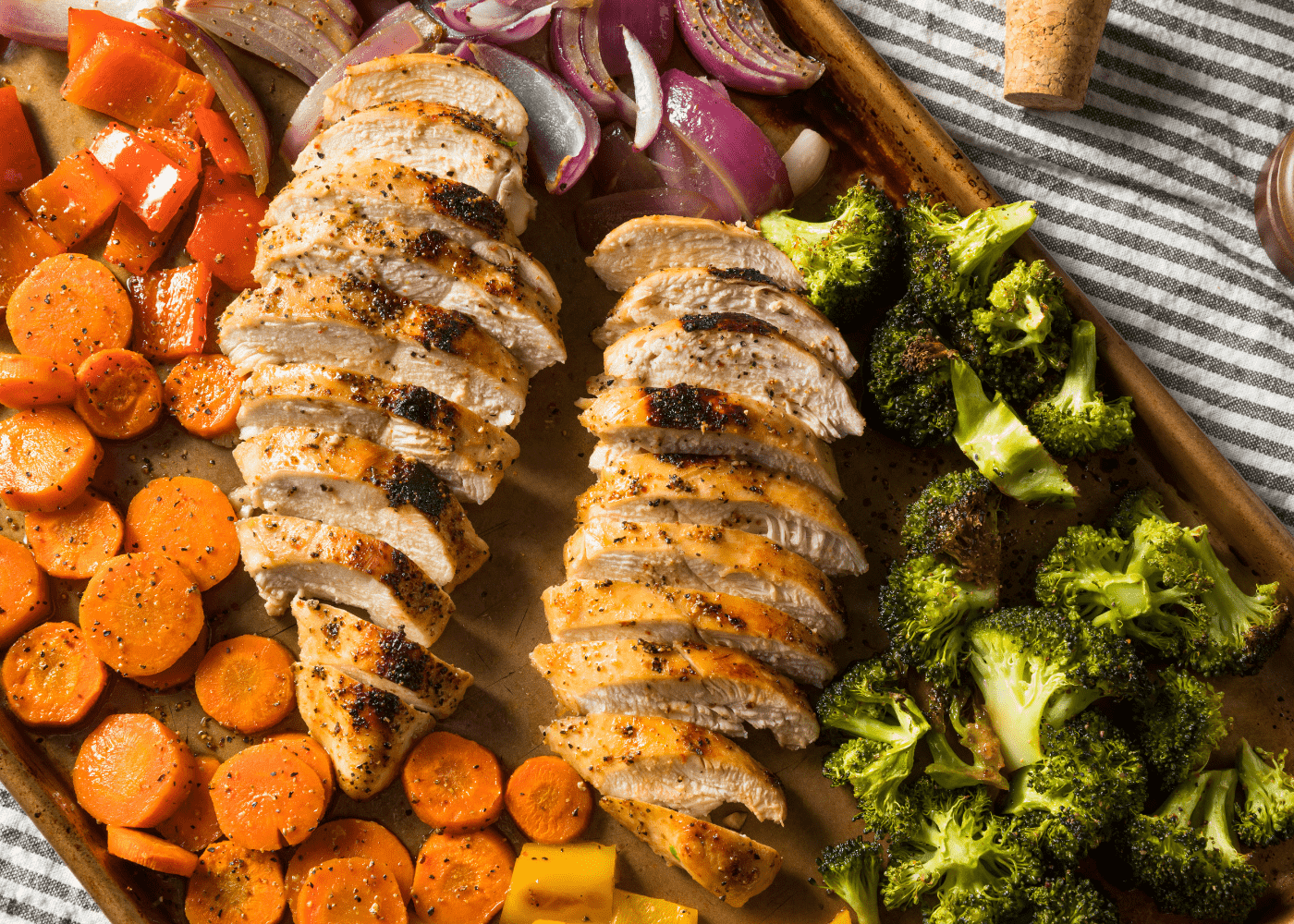
Sitting down together for a meal is one of the simplest things a family can do. It doesn’t have to be fancy. It doesn’t have to take hours. It just has to happen. Research backs this up in a meaningful way. Anne Fishel, a Harvard professor and co-founder of The Family Dinner Project, found that families who share around five meals a week together see real benefits. Children in those families show lower rates of anxiety, depression, and substance use. They also show higher self-esteem and resilience. The food on the table matters less than the time spent around it.
That said, getting a meal on the table when everyone is tired and busy is a real challenge. This post covers practical ways to plan meals, save time in the kitchen, cut your grocery bill, and keep everyone fed with food they’ll actually eat.
Why family meals matter
The connection that happens over a shared meal is hard to replicate anywhere else. It’s a low-pressure setting where conversation happens naturally. Parents get a window into their children’s days. Kids feel heard and included. Penn State University’s research on mealtime conversations points to a few simple things that make a big difference. Turning off screens removes the biggest barrier to real conversation. Giving everyone a turn to speak keeps the table from feeling like a debrief. Keeping the tone positive makes people want to come back tomorrow and do it again.
Even on chaotic weeknights, a 20-minute dinner together counts. The goal isn’t perfection. It’s consistency.
Meal planning basics
Planning ahead is the single best thing you can do to reduce stress around family meals. When you know what you’re making on Tuesday, you’re not standing in front of the fridge at 5:30 p.m. with nothing to show for it. Keep a running list of meals your family likes. Pull from that list when you’re putting together your weekly plan. It takes ten minutes once a week and saves a lot of frustration.
Registered dietician Nazima Qureshi recommends a practical rhythm: shop one day, prep the next. She also suggests building your weekly plan around recipes that share ingredients. If you buy a bunch of cilantro for tacos on Monday, plan something else that uses it by Wednesday. This keeps ingredients from going to waste and keeps your grocery bill from creeping up.
A few other habits worth building into your routine: store prepped food in airtight containers so it stays fresh longer, reheat leftovers on the stove when you can for better texture and flavor, and line your sheet pans to cut down on cleanup time.
How to reduce food waste (and save money)
Food prices have gone up significantly, and stretching your grocery budget without sacrificing quality takes a little strategy. The good news is that the same habits that reduce waste also save money.
When you make soups or stews, double the batch and freeze half. Future-you will be grateful on a night when there’s no time or energy to cook from scratch. At the end of the week, look at whatever vegetables are left and build something around them. A stir-fry over rice, a veggie bake, or a baked pasta dish are all good ways to use up produce before it turns.
One habit I’ve kept for years is saving vegetable trimmings in a bag in the freezer. Onion skins, celery ends, garlic peels, carrot tops. When the bag is full, simmer everything in water for an hour and you have homemade vegetable broth. Many recipes call for broth, and making your own costs almost nothing.
For lunches, I cook extra at dinner so there’s enough to pack the next day. It’s the easiest lunch plan there is, and it means less thinking in the morning. For breakfast, I keep quick options on hand like gluten-free muffins or pumpkin seed granola for busy mornings, and I save the slower breakfasts for weekends when there’s actually time to sit down.
Sheet pan dinners
Sheet pan meals are one of the most practical tools for weeknight cooking. You prep everything on one pan, roast it in the oven, and cleanup is minimal. Most sheet pan recipes take under 40 minutes from start to finish, and you get a main and a side in one go.
Some favorites worth trying include lemon rosemary chicken with kale (swap the kale for green beans if your family isn’t into it), crispy teriyaki tofu with broccoli served over wild rice, steak with potatoes and broccoli seasoned with garlic and fresh thyme, chili lime salmon (lemon juice works just as well as lime), and chicken shawarma with roasted vegetables served in a pita with tahini. Sheet pan quesadillas are a smart option when you need to feed everyone fast. You can make several at once instead of standing at the stove flipping them one by one. Loaded nachos aren’t the most nutritious dinner, but they’re quick and genuinely popular with kids. Add ground beef or chicken if you want more protein.
Slow cooker and Instant Pot meals
A slow cooker or Instant Pot is worth its counter space for busy families. You put the ingredients in, turn it on, and come back to a finished meal. This is especially useful for comfort food that normally takes a long time, like stews, curries, and braised meats.
It’s also worth knowing that you can use an Instant Pot as a slow cooker. All Recipes has a guide that shows how to convert cooking times, which means you don’t need to track down separate slow cooker recipes if you already have an Instant Pot.
Some reliable options for the slow cooker or Instant Pot: coconut lentil curry over basmati rice, honey lime chicken for tacos with cilantro and fresh lime, Thai chicken soup with bold curry flavor, ratatouille with garlic and fresh basil, chicken tikka masala served with naan or rice, and chicken cacciatore over mashed potatoes or noodles. For a vegetarian option, veggie lasagna holds up well in both appliances and is a good choice for nights when you want something hearty without much effort.
If you’re making kung pao chicken, brown the chicken first before adding everything to the pot. That one extra step adds a lot of flavor.
Staple family dinner ideas
Every family has a short list of meals that always work. These are the ones that nobody complains about, that come together without too much thought, and that feel like home. If you’re building out your own list, here are some classics worth adding.
Baked macaroni and cheese with vegetables is a reliable crowd-pleaser. I add a bit of cream cheese to the sauce and top it with a mix of cheddar and breadcrumbs before baking. It adds depth without much extra effort. Sloppy joes are another one that works for all ages. Serve them with a simple salad and plenty of napkins.
Taco Tuesday is a tradition for good reason. Whether you go with soft corn tortillas and classic fillings or the hard-shell version with seasoned ground beef, it’s an easy meal that everyone customizes to their taste. For more ideas along those lines, our post on Mexican food for kids has some good options.
Baked spaghetti is one of those meals that feels more special than the effort involved. Serve it with garlic bread and it becomes a real dinner. Shepherd’s pie is another favorite, especially around the holidays when you have leftover mashed potatoes, gravy, and roasted vegetables that need to be used up. Pork chops with mushroom soup is simple comfort food that takes very little prep. Rotisserie chicken is worth keeping in your back pocket for the nights when you have no time at all. Pick one up on the way home and round it out with a grain and a vegetable. Leftover rotisserie chicken also goes a long way toward chicken pot pie soup or a quick baked pasta with alfredo sauce the next day.
Keeping breakfast and lunch manageable
Dinner gets most of the attention, but breakfast and lunch matter too. For lunches, the simplest approach is to cook extra at dinner and pack the leftovers. You already made the food. There’s nothing extra to think about.
For breakfast, I keep it practical. On busy mornings, having something ready to grab means nobody skips eating. Muffins baked on the weekend, a jar of granola, or even hard-boiled eggs made ahead of time all work well. On slower mornings, there’s time for something more relaxed, like eggs cooked to order or a proper omelet. Having a few options at different levels of effort means breakfast happens no matter what kind of morning it turns out to be.
A note on snack storage and food organization
Part of keeping meals running smoothly is having your kitchen set up in a way that actually works. When snacks are easy to find and grab, kids don’t raid dinner ingredients out of hunger before the meal is ready. Our post on snack storage ideas has some practical setups worth looking at, especially if your kitchen feels chaotic at the moment.
Dessert
Dessert doesn’t need to be elaborate to be good. A few recipes worth keeping on hand: gluten-free walnut cookies with chocolate and honey and petticoat tails shortbread. Both are simple, satisfying, and hold up well if you make a batch ahead of time.
Putting it all together
Family meals don’t need to be elaborate to be worthwhile. A sheet pan dinner or a slow cooker meal on a Tuesday night counts just as much as a Sunday roast. The point is to eat together, to talk, and to make it a regular thing.
Start with a short list of meals your family already likes. Build your weekly plan around those. Add one or two new recipes when you have the energy to try something different. Over time, that list grows and meal planning gets easier. The habits around shopping, prepping, and storing food become second nature. And the meals themselves become something your family looks forward to, not just something that needs to happen before bedtime.
Common questions
What should I make when I don’t feel like cooking?
A sheet pan meal or an Instant Pot dinner are your best options. Both require minimal prep, produce minimal dishes, and come together without much active cooking time.
How do I decide what to make for dinner?
Go back to your list of staple meals. Every family has a handful of recipes that work reliably. When you’re not sure what to make, picking from that list means dinner will happen without any stress about whether people will eat it.
Is mayo dairy-free?
Yes. If you’ve ever wondered, our post on whether mayo is dairy covers this in detail. It’s a useful thing to know when you’re cooking for people with dietary restrictions.