
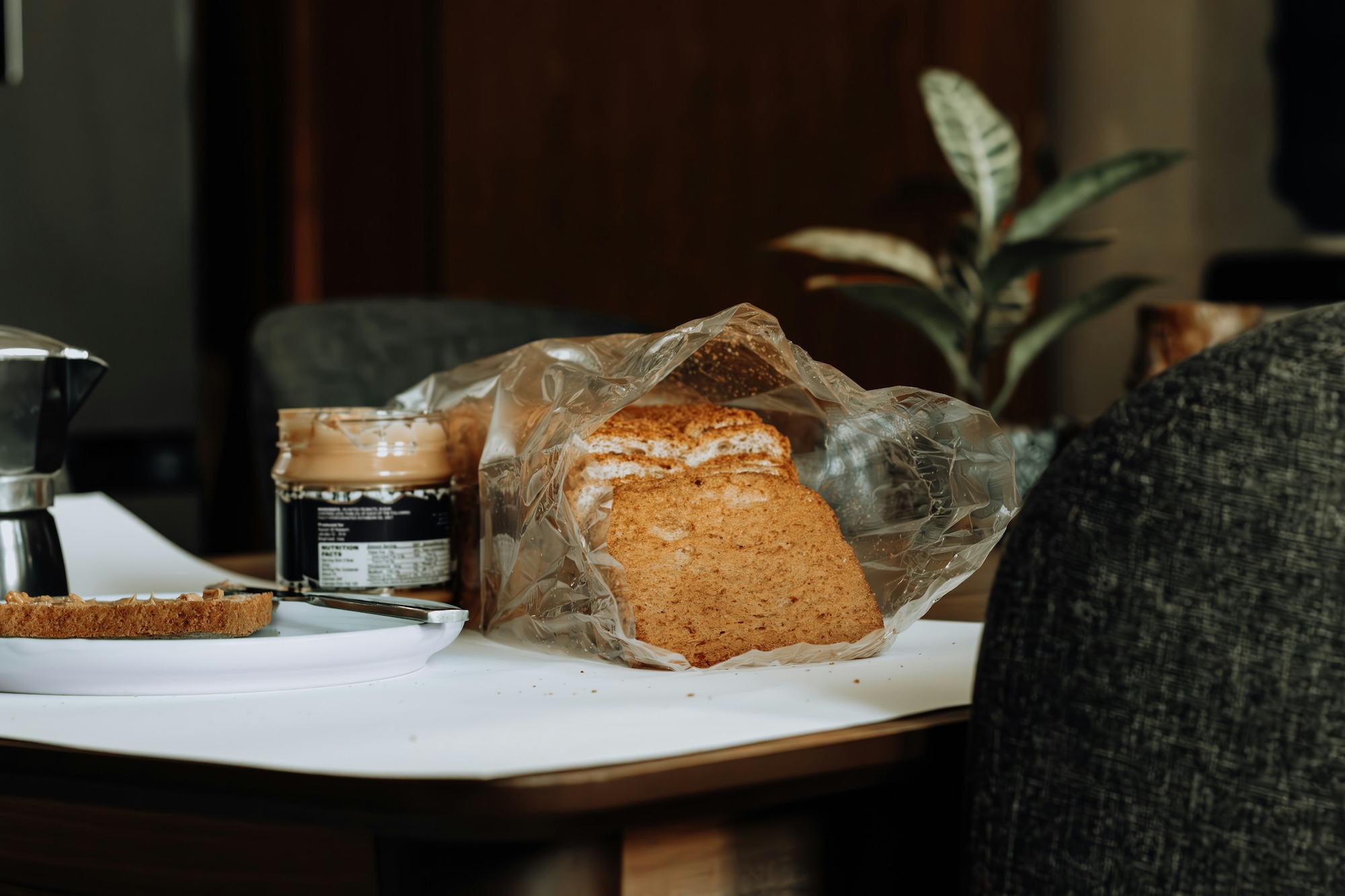
Mornings with kids are often rushed. A breakfast station is one of the simplest ways to take some of that pressure off. When everything is set up in one spot, kids can help themselves, and you can focus on getting everyone out the door.
The concept is straightforward. You gather your family’s usual breakfast items and keep them somewhere accessible. Children learn to serve themselves, and the kitchen stays more organized. It works well for toddlers with a little help, and even better for school-age kids who can manage most steps on their own. If you are thinking about ways to organize your home so it runs more smoothly, this is a great place to start.
Choosing the right spot
The location matters more than most people expect. The station should be close to where your family actually eats in the morning. If breakfast happens at the kitchen table, keep the station on a nearby counter or shelf. If your family eats at an island, set it up there.
The most important factor is that children can reach everything without climbing or stretching. A low counter, a bottom pantry shelf, or a dedicated kitchen cabinet all work well. If you plan to include yogurt, milk, or other cold items, choose a spot close to the fridge so grabbing those items is part of the same routine.
Picking the right foods
Keep the food selection simple and consistent. Too many options slow kids down and make the morning feel more complicated than it needs to be. Think about what your family already eats most days, and start there.
Dry cereal is one of the easiest choices because kids can pour it themselves and it stores well at room temperature. Granola, oatmeal packets, muffins, and sliced bread for toast are all practical options. Fresh fruit works well too, especially items that need no prep, like bananas, apples, or a bowl of washed berries. Yogurt cups and cheese sticks are good additions if you have a spot in the fridge near the station.
Resist the urge to offer too much variety. Two or three solid options is usually enough. When kids know what to expect, they move faster.
Storing food so it stays fresh and accessible
How you store food makes a real difference in how well the station holds up day to day. Clear canisters with lids work well for cereal and granola because kids can see what is inside without opening anything. A low basket or wide bowl is a good home for fruit. Labeling containers helps younger children who are still learning to read.
For fridge items like yogurt, keep them in a shallow bin on a low shelf so kids can reach in and grab one without shuffling things around. This small detail prevents the fridge rummaging that tends to slow everything down.
Check the station every evening if you can. Refill cereal, swap out overripe fruit, and restock anything that ran low. A two-minute check at night saves a lot of scrambling in the morning.
Setting up dishes and utensils
Plates, bowls, spoons, and cups should live right at the station. If children have to go searching for a bowl, the whole system falls apart. Store them in a drawer or on a shelf they can reach on their own.
Choose lightweight dishes that are safe and easy for kids to handle. Plastic or melamine works well for younger children. Older kids often do fine with regular dishes, and some prefer them. Keep a small stack of napkins nearby so cleanup is built into the routine from the start.
The goal is for a child to walk up to the station and find everything they need in one place. No asking, no searching, no waiting.
Making drinks easy to pour
Milk and juice are a regular part of many family breakfasts, but a full carton or large juice jug is hard for small hands to manage. Pour milk into a small pitcher the night before. Fill a similar pitcher with juice if your family drinks it in the morning. Kids can lift and pour these on their own, which cuts down on spills and builds real confidence.
If your children use water bottles throughout the day, keep those on the counter near the station too. Filling them at breakfast means one less thing to remember before school.
Teaching kids to use the station
Set aside a few minutes to walk your children through the station properly. Show them where everything is. Demonstrate how to pour cereal without overfilling the bowl, how to use a serving spoon for granola, and how to pick fruit from the basket. Go through the whole routine together a few times before expecting them to do it solo.
Talk about portion size in a low-key way. Remind them to take only what they will eat. Show them where dishes go when they are finished, whether that is the sink or the dishwasher. Handling spills calmly and teaching kids to wipe them up themselves goes a long way toward making the station sustainable.
If you are looking for more ways to support toddler independence at home, building these small self-care habits into the morning is a good starting point.
Adjusting for your family
No two households run the same way. Once the basic station is working, adjust it to fit your family’s real habits. Some families add a jar of peanut butter and a loaf of bread for quick toast. Others keep hard-boiled eggs or small containers of overnight oats in the fridge bin. Some rotate seasonal fruit based on what is ripe and affordable.
The station does not have to look a certain way. It just has to work for your people. If something is not getting used, swap it out. If a particular food causes a mess every time, find a better container or a different option. Treat it as an ongoing system, not a one-time setup.
If you want more ideas for keeping the kitchen running smoothly, the posts on small kitchen storage and snack storage have practical suggestions that pair well with a breakfast station.
Why it works
A breakfast station works because it removes small decisions and small obstacles from the busiest part of the day. Kids know where to go. They know what is there. They can handle most of it themselves. That means fewer questions for you, fewer delays for them, and a calmer start for everyone.
It also gives children a sense of ownership over their morning. When kids can manage their own breakfast, they feel capable. That confidence tends to carry into the rest of the day. It is a small setup with a real return.





Leave a Reply