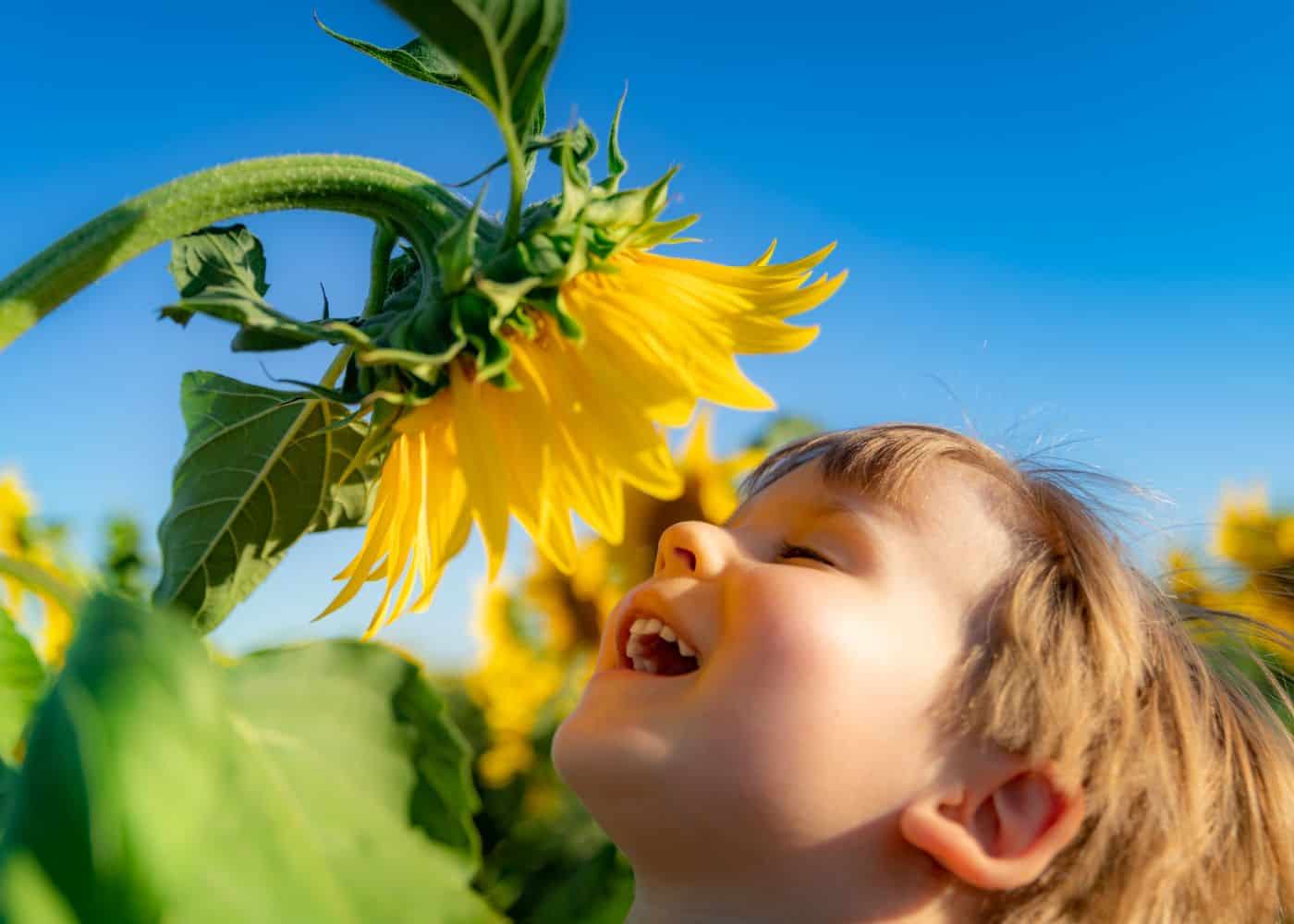
Getting outside with your family doesn’t have to be complicated. A little planning goes a long way, and the payoff is real. Fresh air, movement, and time away from screens do good things for kids and adults alike. Research published in Frontiers in Psychology links outdoor time to better physical health, improved mood, stronger social skills, and even better focus at school. That’s a pretty good return on an afternoon at the park.
Whether you have a backyard, a nearby trail, or a national park a few hours away, there are outdoor activities that work for your family right now. This guide covers the ones that tend to stick, the activities kids ask to do again and again.
Nature walks and hikes
A walk in the woods or a local park is one of the simplest outdoor activities you can do with kids. It doesn’t require gear or a long drive. What it does require is a little slowness. Let your child stop and look at things. Touch bark. Pick up a pinecone. Listen for birds. The walk itself becomes the activity when you’re not in a rush to finish it.
For families ready to step it up, hiking with toddlers is very doable with the right trail and a few smart packing choices. Choose routes that are short and have interesting features along the way, like a stream, a viewpoint, or an open meadow. Younger kids do better when there’s something to look forward to every ten minutes or so.
Bring water, snacks, and a small first-aid kit. Comfortable shoes with good support matter more than anything else you pack. Sun protection is important too, especially on exposed trails.
Making hikes more engaging for kids
A scavenger hunt turns any hike into an adventure. Write a short list of things to find, like a smooth rock, a feather, a spider web, or a certain color of wildflower. Kids who have a mission stay engaged much longer than kids who are just walking. You can also bring a simple field guide and try to name the trees or birds you see along the way.
Safety on the trail comes down to a few basics. Stick to marked paths, keep the group together, avoid touching unfamiliar plants, and teach kids what to do if they get separated. Knowing how to stay put and signal for help is a skill worth building early.
Camping as a family
Camping pulls the whole family away from routine and into something more immediate. You cook together, sleep in the same space, and spend your evenings without screens. For kids, it feels like an adventure. For adults, it can feel surprisingly restorative.
If this is your first family camping trip, start close to home. A campsite within an hour of your house makes it easy to problem-solve if you forget something or if the weather turns. National parks and provincial parks often have family-friendly campsites with clean washrooms and fire pits already set up, which removes a lot of the friction for first-timers.
What to pack
The basics are a tent, sleeping bags rated for the expected temperature, a cooking setup, food, and a way to purify water if needed. Beyond that, think about what keeps kids happy during downtime. A deck of cards, a few books, and a small craft project go a long way on a rainy afternoon inside the tent.
Fire safety deserves a real conversation before you arrive. Talk with your kids about keeping a safe distance from flames, never leaving a fire unattended, and always having water close by. S’mores are a camping tradition worth keeping, and they’re also a natural way to teach kids about fire awareness in a hands-on setting.
Backyard activities
You don’t need to go anywhere to have a good outdoor day. A backyard, a driveway, or even a front porch can be enough. The key is giving kids something to do with their hands and bodies.
Sidewalk chalk is endlessly versatile. Kids draw, trace each other’s shadows, make hopscotch grids, or create entire imaginary worlds on the pavement. Jumping rope builds coordination and keeps energy moving. Frisbee and simple throwing games work for a wide age range and don’t need much space.
An outdoor movie night is a low-effort way to make a regular evening feel special. A projector or even a laptop propped up outside, some blankets on the grass, and a bowl of popcorn is all it takes. It works well as a summer Friday tradition or as a way to end a busy day on a calm note.
Gardening with kids
Gardening teaches patience in a way that’s hard to replicate indoors. Kids who plant a seed and water it every day learn something real about time, care, and growth. It’s also just satisfying to eat something you grew yourself.
Start with fast-growing, easy plants. Radishes, beans, sunflowers, and cherry tomatoes are all good choices for beginners. Give each child their own small patch or pot so they feel ownership over what they’re growing. Let them make decisions about what to plant and where.
Watering is a good daily job for kids old enough to handle a small watering can. Talk about what plants need, not just water but sun and good soil too. Starting a simple compost bin alongside the garden adds another layer of learning. Turning kitchen scraps into something useful for the garden makes the whole cycle more visible and concrete.
Bird watching
Bird watching is one of those activities that starts simply and can grow into a genuine long-term interest. You don’t need expensive equipment to begin. A bird feeder hung near a window gives kids a front-row seat to local wildlife without leaving the house.
Once the feeder is up, the next step is identification. A basic field guide or a free app like Merlin Bird ID from the Cornell Lab of Ornithology makes it easy to name the birds you see. Kids who like keeping records can start a bird journal where they draw what they spot and note the date and weather.
Early morning is the best time to observe birds, especially songbirds. Remind kids to move quietly and keep a comfortable distance. Respecting wildlife is part of the activity, not just a rule to follow before the fun starts.
Beach days
A beach day has a natural rhythm that suits families well. There’s space to run, water to wade in, and enough sensory input to keep kids occupied for hours. Building sandcastles develops fine motor skills and spatial thinking, and it doesn’t require any supplies beyond what’s already there.
A beach scavenger hunt adds structure to the day if kids need a focus. Look for smooth pebbles, shells of different shapes, pieces of sea glass, or signs of marine life left behind at low tide. Pair it with a simple guide to local shells or birds to make it more educational.
Evening beach visits have their own appeal. If the timing is right, watching the sunset together or doing a little stargazing costs nothing and tends to be remembered long after the day is done.
Outdoor games
Classic outdoor games hold up because they work. They don’t need batteries, instructions, or setup time. Jumping rope, frisbee, tag, and catch are all examples of activities that kids can do with minimal adult involvement once they know the basics.
If there’s a frisbee golf course nearby, it’s worth a visit. The game combines disc throwing with a course format that gives kids a clear goal and a reason to keep moving through the space. Many courses are free and open to the public.
For preschool outdoor toys and age-appropriate game ideas, there are plenty of options that work in a small yard or at the park. The goal is less about organized play and more about getting kids comfortable being active outside on a regular basis.
Picnics and outdoor meals
A picnic doesn’t need to be elaborate. A blanket, some easy food, and a good location are enough. The act of eating outside changes the mood of a meal in a way that’s hard to explain but easy to feel.
Choose a spot where kids can move around after eating. A park with open grass works well. Pack foods that travel easily, like fruit, sandwiches, cheese, crackers, and something sweet. Farmers market produce makes a good picnic basket even better.
Picnics pair naturally with other outdoor activities. Plan one as part of a longer hike, a visit to a local park, or a lazy afternoon of backyard play. The shared meal in the middle of an outdoor day tends to become the part everyone remembers.
Building an outdoor habit
The best outdoor activity is the one your family will actually do again. Start with what feels manageable. A short walk after dinner. A Saturday morning at the park. A garden bed with a few seeds in it. Consistency matters more than ambition.
For more ideas by season and age, the outdoor activities section of this site has a lot to pull from. You’ll also find specific guides for summer activities for toddlers and rainy day activities for toddlers if you need ideas for specific situations.
Getting outside regularly as a family isn’t about checking off a list. It’s about building a habit that feels normal and good. The memories come from showing up, not from planning the perfect trip.