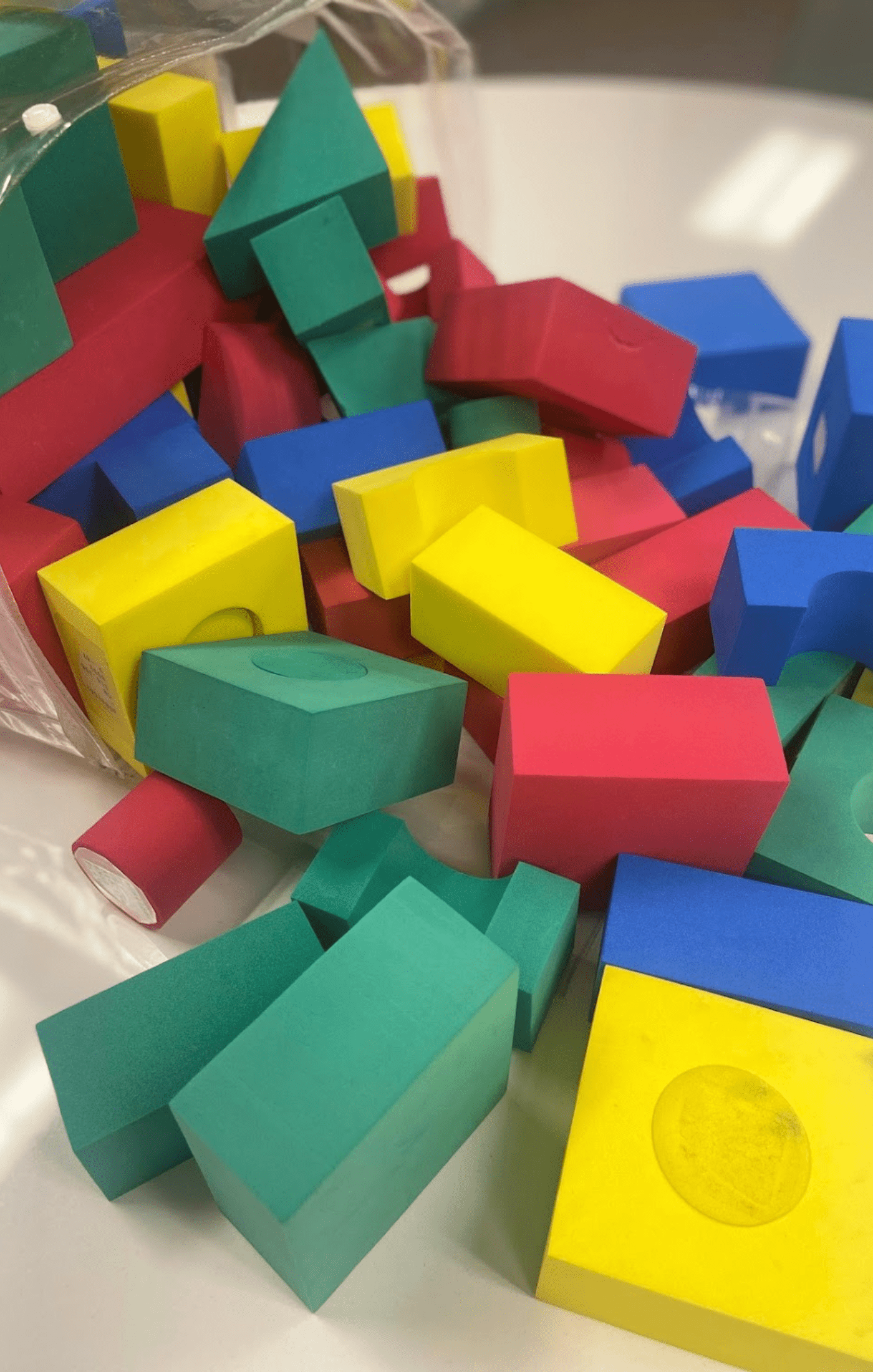
Sorting is one of those math skills that quietly underpins a lot of what kids learn in kindergarten. When children sort objects, they start to notice what makes things the same and what makes them different. That kind of thinking carries over into reading, science, and everyday problem-solving. It is worth giving kids plenty of practice with it, both at school and at home.
The good news is that sorting activities do not require a lot of prep or special materials. Most of what you need is already sitting around your house. This post covers why sorting matters, how to approach teaching it, and a few simple activities you can try right away.
What sorting activities teach children
Sorting helps children build the skill of classification. That means looking at a group of objects and figuring out how to organize them based on shared features. It also helps kids practice comparison, which is the ability to look at two things and decide how they are alike or different.
Beyond that, sorting connects to other early kindergarten math concepts like patterning and grouping. When a child sorts a pile of buttons by color, they are also practicing counting, making predictions, and thinking logically. It is a simple task that works a lot of mental muscles at once.
In most kindergarten programs, sorting is a formal part of the curriculum. Children are asked to group objects by attributes like color, size, or shape. Because it comes up so often in the classroom, giving kids chances to practice it at home helps them feel confident when they encounter it at school.
How to teach sorting in kindergarten
There is no single right way to teach sorting. Different approaches work for different children. That said, a few principles tend to make the learning stick better.
Let children lead first
Before giving a child sorting rules to follow, try letting them sort on their own terms. Hand them a collection of objects and ask how they might group them together. Do not suggest a method. Just watch what they do.
Once they have finished, ask them to explain their sorting rule. Why did they group things that way? Then push the materials back into a pile and ask them to sort again using a different rule. This step is important. It shows children that the same object can belong to more than one category depending on what you are paying attention to.
For example, a child sorting toy animals might first group them by size. Then they might try grouping by color, by the sound the animal makes, or by where the animal lives. Each time, they are building a more flexible understanding of how attributes work.
If you are working with a group of children, have them compare their sorting rules with each other. Did anyone group the same objects differently? Talking through the reasoning is part of the learning.
Use real objects when you can
Worksheets and picture cards have their place, but hands-on materials tend to work better for young children. Touching and moving real objects gives kids a sensory experience that supports learning in a way that a printed page often does not.
Good sorting materials include natural items gathered from outside, toy animals, buttons, beads, blocks, and craft supplies. You do not need anything fancy. The key is variety within limits. If you offer too many different types of objects at once, the activity becomes confusing rather than helpful. Aim for three or four categories at a time.
Simple sorting activities to try at home
These activities work well for kindergarteners and require very little setup. You can try them over multiple sessions rather than all at once. Kids need repetition to really build a skill, so coming back to sorting in different ways over time matters more than doing it all in one sitting.
Basic sorting with everyday objects
Gather a collection of small household items like buttons, coins, dried pasta shapes, or hair ties. Set out a sorting tray, which can be a muffin tin, an egg carton, or just a few small bowls. Ask your child to sort the objects any way they like. Once they finish, ask them to explain their rule, then sort again a different way. This open-ended version builds more thinking than a directed task does.
Use a sorting mat
A sorting mat is just a piece of paper divided into labeled sections. You can make one in a minute by drawing a simple grid and writing a category in each box. To make it reusable, slip the paper inside a plastic page protector and use a dry-erase marker to write the categories. Wipe it clean and change the categories as needed.
Sorting mats give children a clear visual structure to work within. They are especially helpful once a child has already had some free-sorting practice and is ready for a bit more guidance.
Sorting as part of daily chores
Some household tasks are actually sorting activities in disguise. Putting laundry away by type, sorting socks into pairs, grouping toys by category, and organizing dishes into their correct spots all require the same thinking skills as a formal sorting activity. Inviting your child to help with these tasks is an easy way to build the skill into the day without adding anything extra to your schedule.
Outdoor sorting
Head outside and ask your child to collect as many natural items as they can find. Leaves, sticks, rocks, pinecones, and seed pods all work well. Once they have a pile, sort the collection together. You might sort by size, by color, by texture, or by type. You can also turn this into a simple art project by arranging the sorted groups into a pattern or using found materials to build something. This kind of outdoor learning connects math to the natural world in a way that tends to stick with kids.
What comes after sorting
Once your child is comfortable sorting, they are ready to move into related skills like graphing and counting within categories. After sorting a collection, ask your child how many items ended up in each group. You can even draw a simple bar graph together to show the results. This bridges sorting into counting and data work, both of which are key parts of early math for kids.
If you have a preschooler at home who is not quite at the kindergarten level yet, preschool sorting activities are a great place to start. And if you want to keep building math skills alongside sorting, math in nature is a wonderful way to make numbers feel relevant and real. You might also find kindergarten math word problems and preschool math concepts helpful as your child grows into more complex thinking.
Sorting is a small skill with a long reach. The more chances kids get to practice it in everyday life, the more natural that kind of organized thinking becomes.