
Category: Learning
From literacy to science, find resources and activities to support your child’s learning journey. Make education fun and engaging at home! These resources, tips, and downloadable worksheets will help your little ones learn. Find articles about literacy, math, music, science, and the Montessori approach to teaching and learning.
-
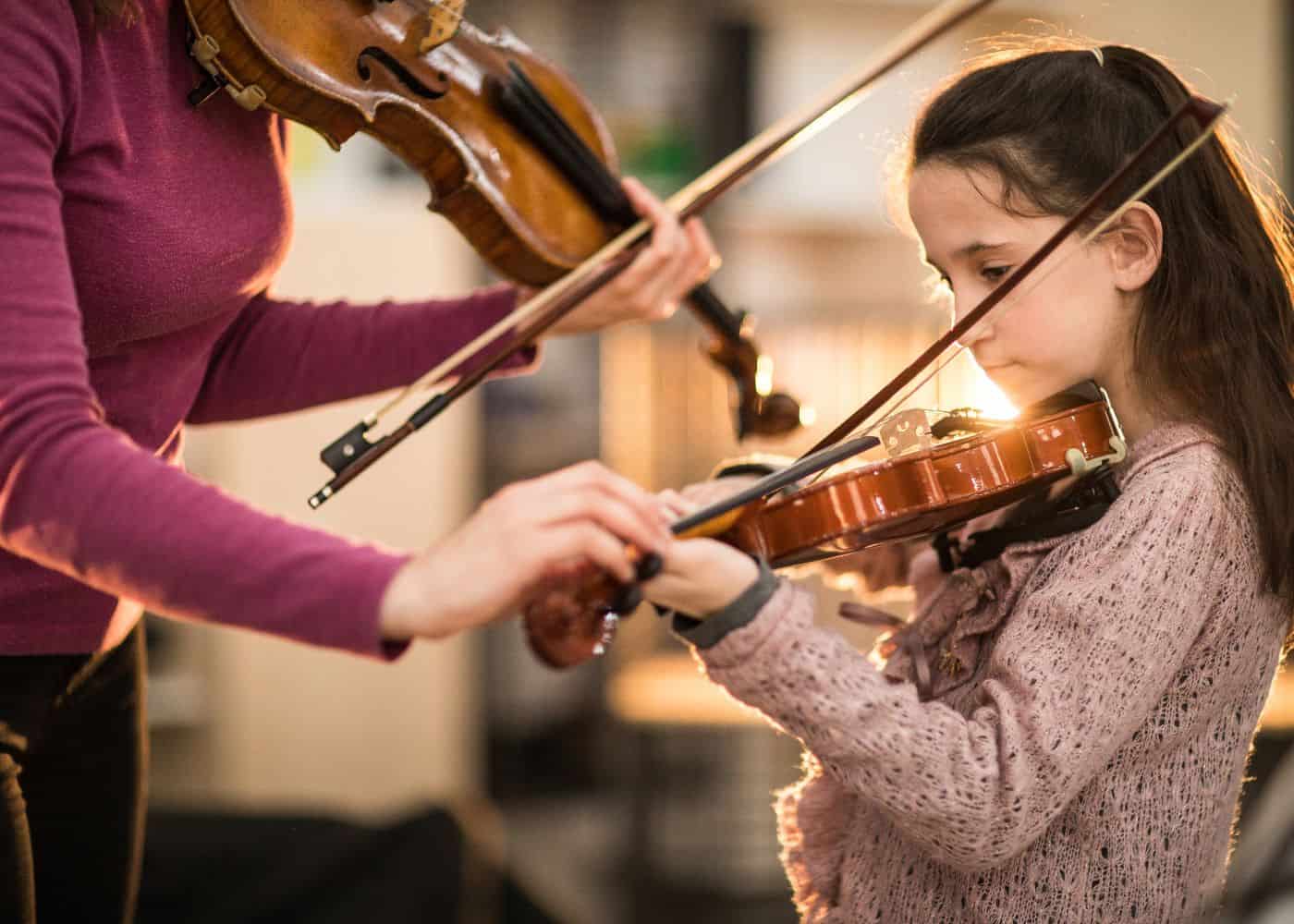
Learning music
Music is one of those things that seems simple on the surface but opens up into something much deeper the longer a child sticks with it. Whether your child bangs on a drum set in the living room or quietly plucks a ukulele in their room, they are building real skills. This guide walks through…
-
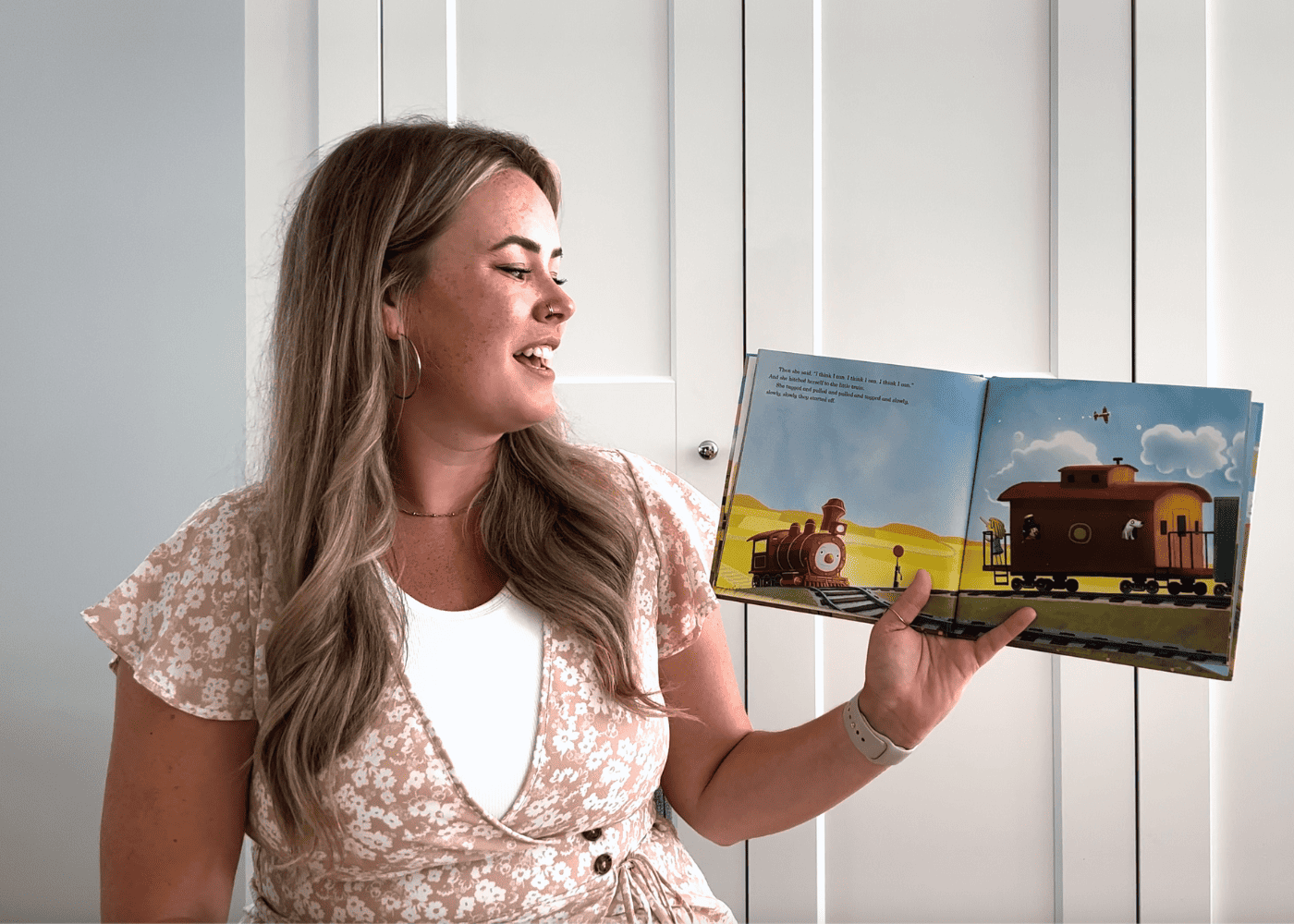
How to read to kids
Learn how to read to kids with these simple tips for parents, caregivers, and teachers.
-
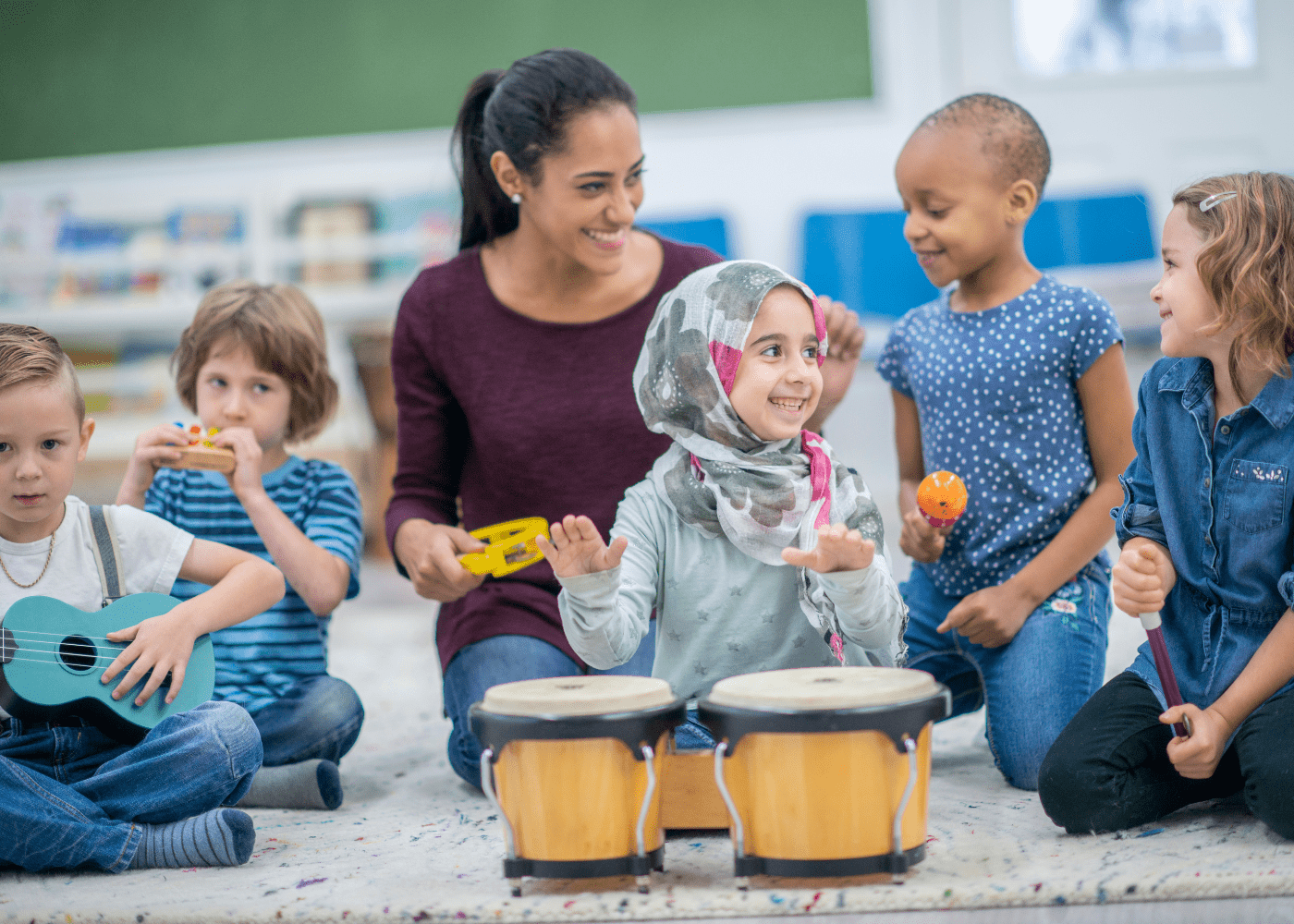
Musical instruments for kids
Music is one of the most accessible and rewarding things you can offer a child. It builds skills across the board, from language and math to focus and emotional awareness. And it does not have to start with formal lessons or expensive equipment. A simple drum, a small keyboard, or even a set of shakers…
-
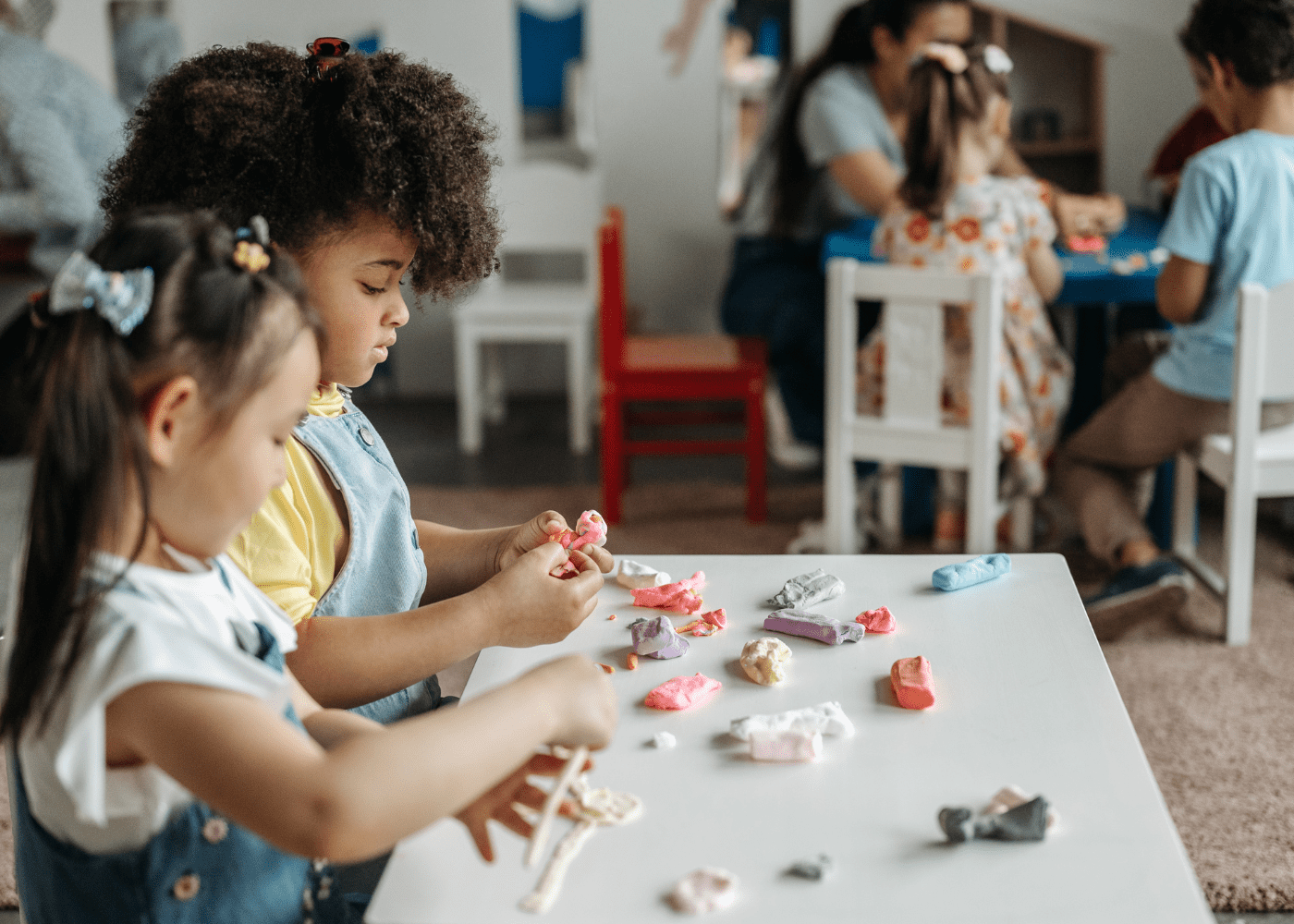
What age is preschool and kindergarten?
If you’re trying to figure out when your child should start preschool or kindergarten, you’re not alone. The age requirements can vary quite a bit depending on where you live. This post breaks it all down so you can make a confident decision for your family. What age is preschool and kindergarten? Preschool is generally…
-
Early literacy
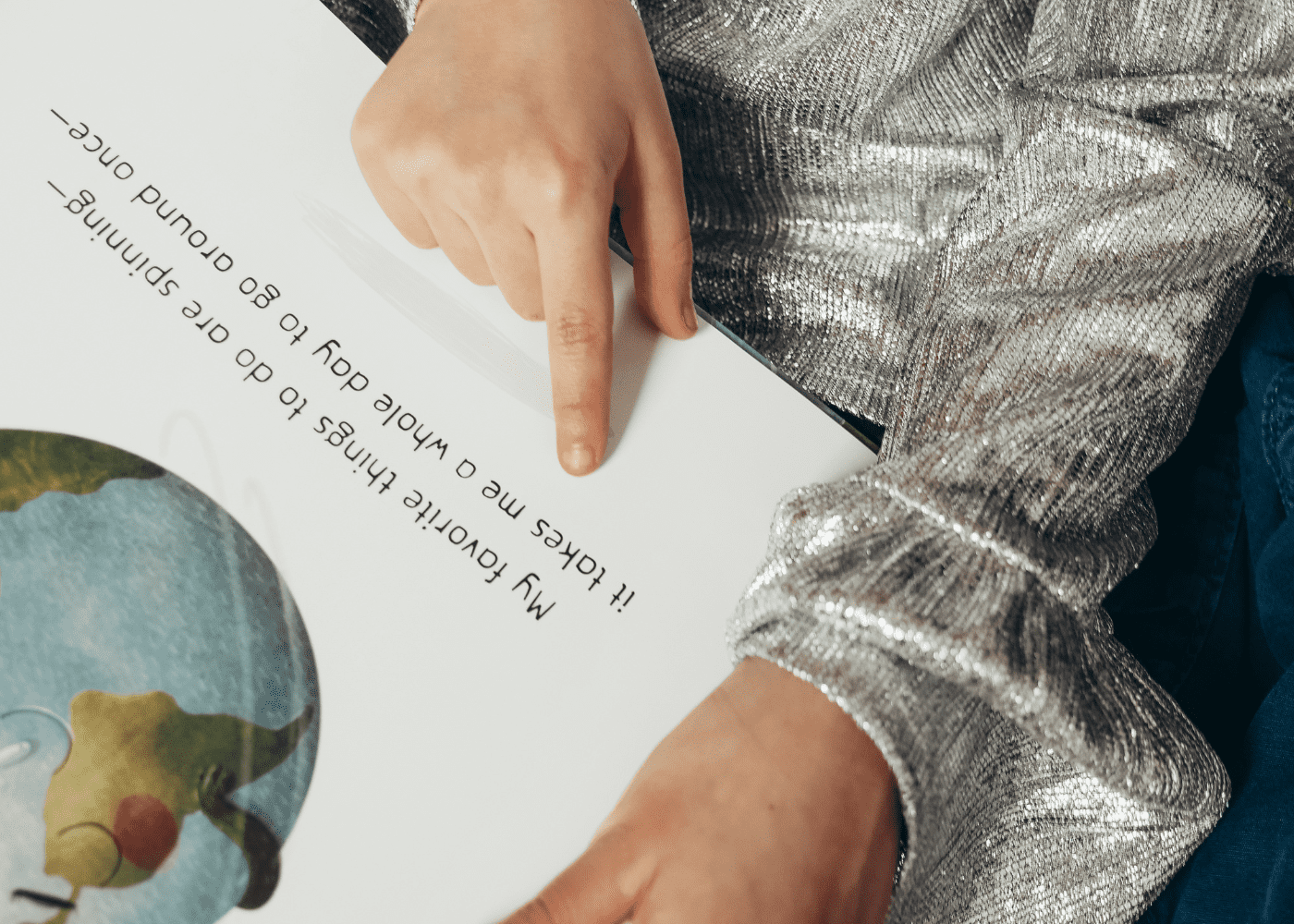
Early literacy skills are some of the most important things you can help your child build before they ever set foot in a classroom. These are the skills that set children up to read and write with confidence. The good news is that many of them develop naturally through everyday conversation, play, and time spent…
-
Math for kids
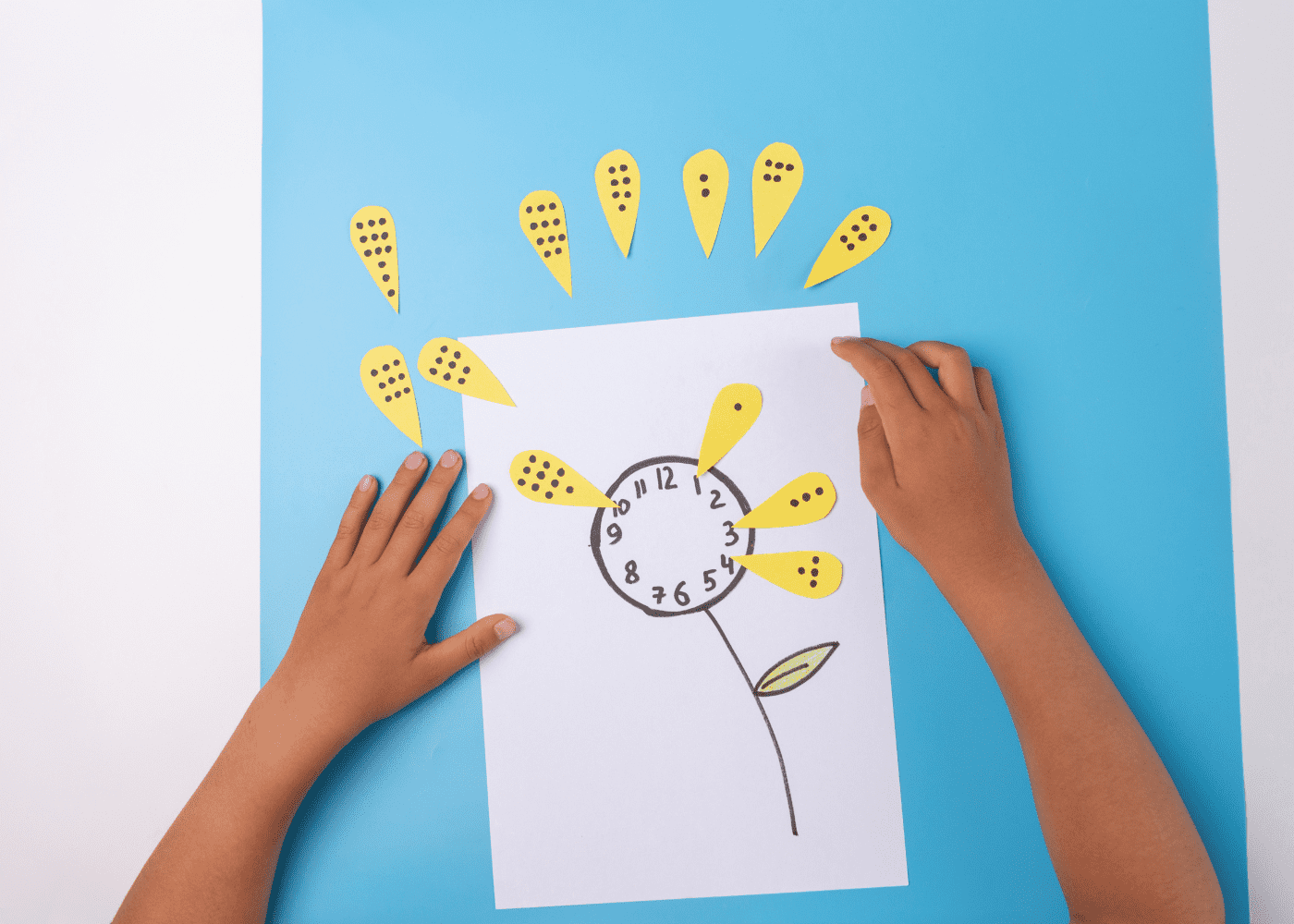
Math is one of those subjects that can go one of two ways for a kid. Either it clicks and they feel confident, or it becomes a source of stress that follows them for years. The goal with young children is to keep it in the first category for as long as possible. That means…
-
Outdoor learning
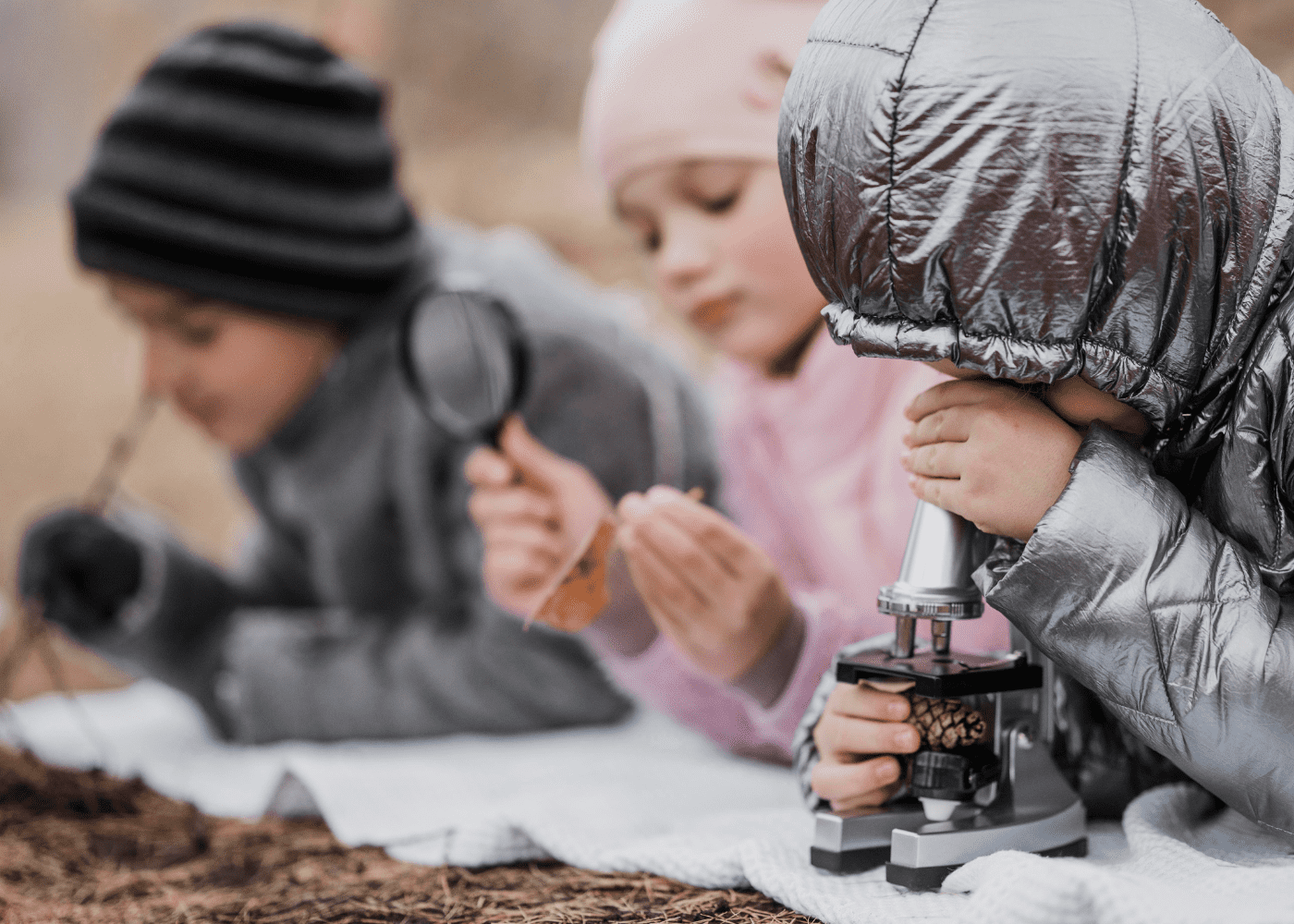
Outdoor learning is one of the simplest ways to make education feel real. When children step outside, they use their whole bodies and all their senses. They ask questions. They notice things. And they remember what they learned because they experienced it firsthand. This post covers why outdoor learning matters, how to get started, and…
-
Science for kids
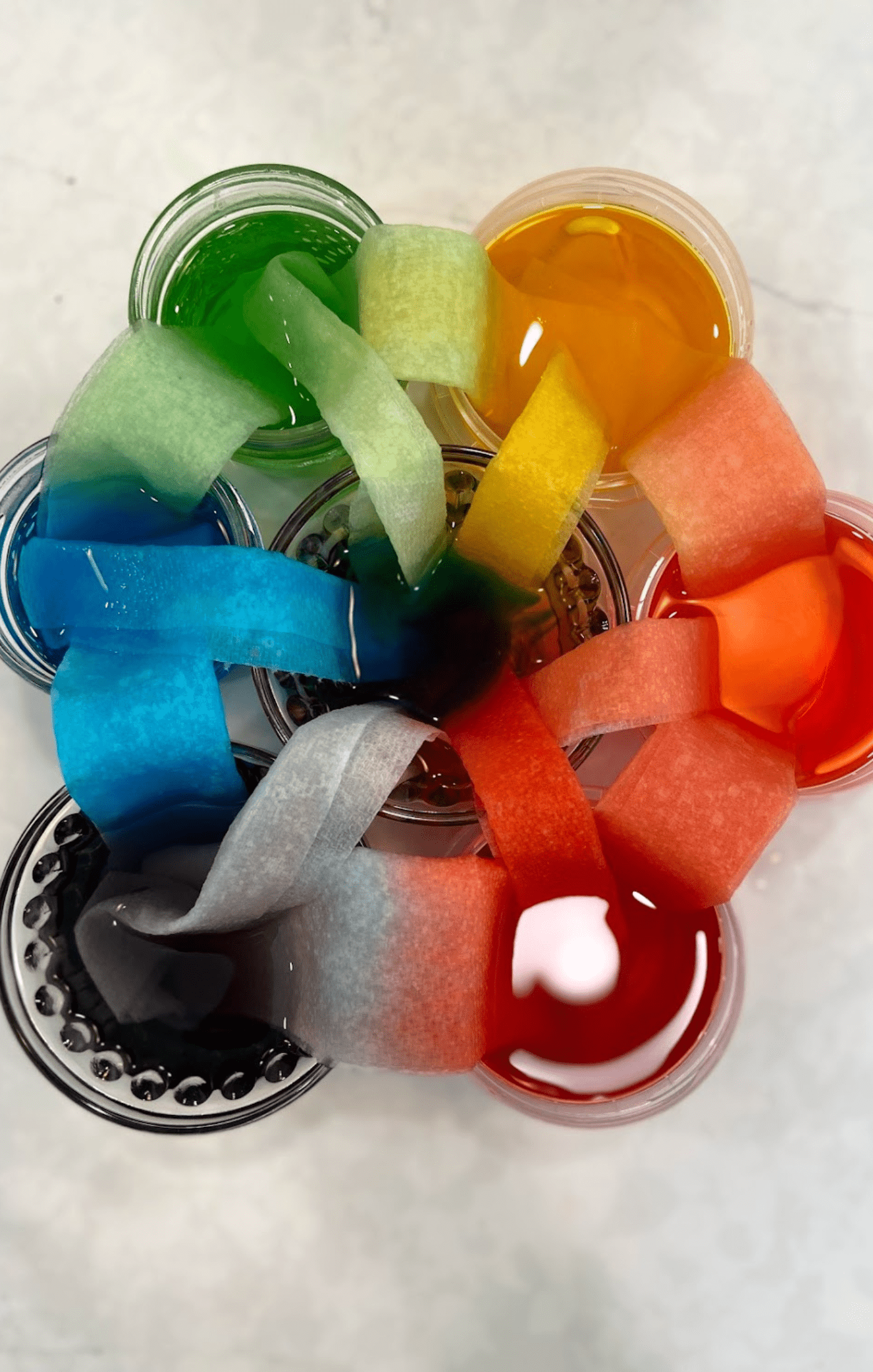
Science is one of the best subjects to share with young children. It connects naturally to the way kids already think, through questions, observations, and a genuine desire to figure out how things work. This post covers why science matters for kids, how to make it safe and engaging at home, and some of my…
-
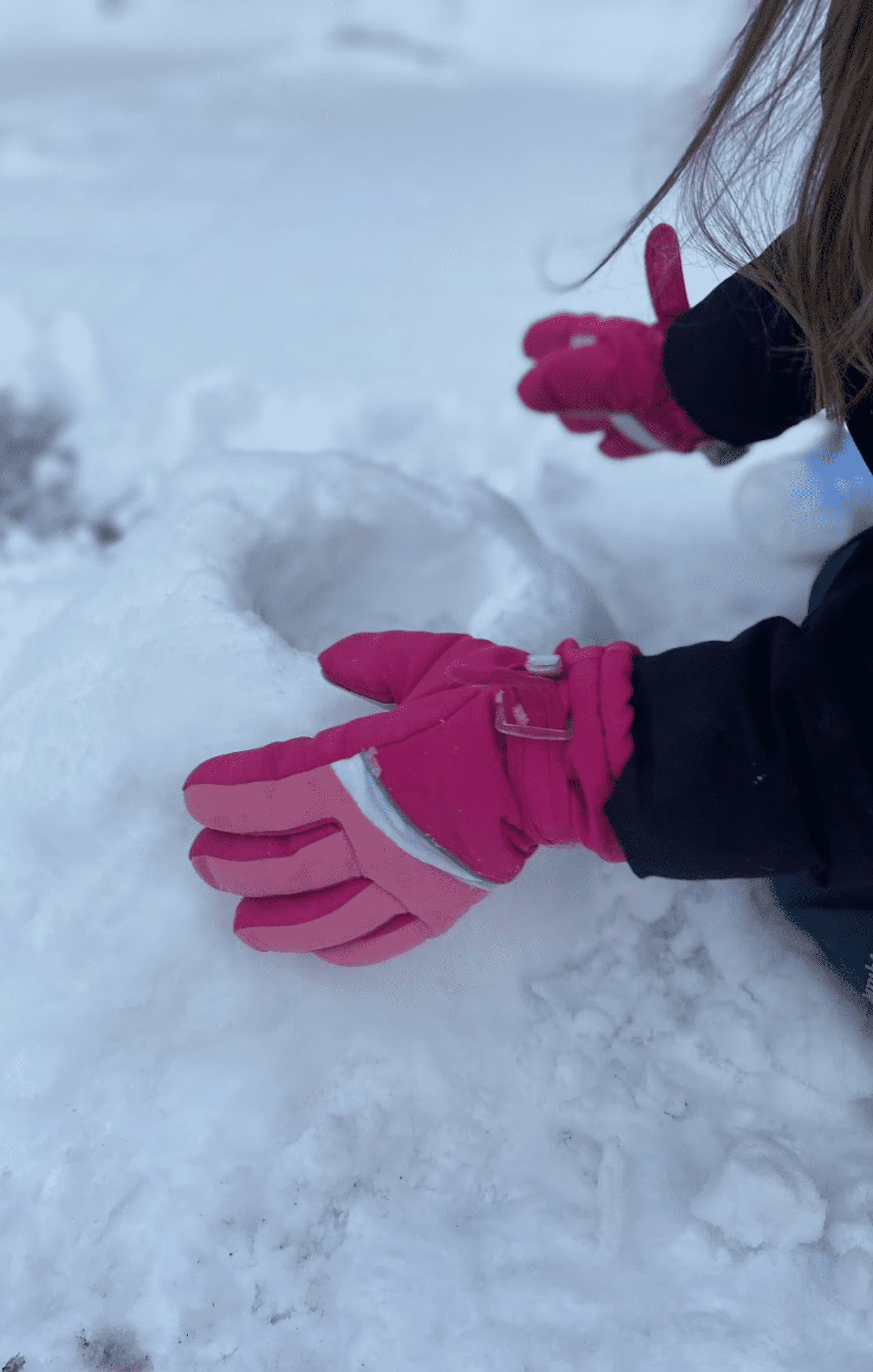
Snow volcano experiment
A snow volcano experiment is one of the simplest science activities you can do with kids in winter. It combines outdoor play with a real chemical reaction, and it works for a wide range of ages. All you need is baking soda, vinegar, snow, and a few basic supplies from your kitchen. The whole setup…
-
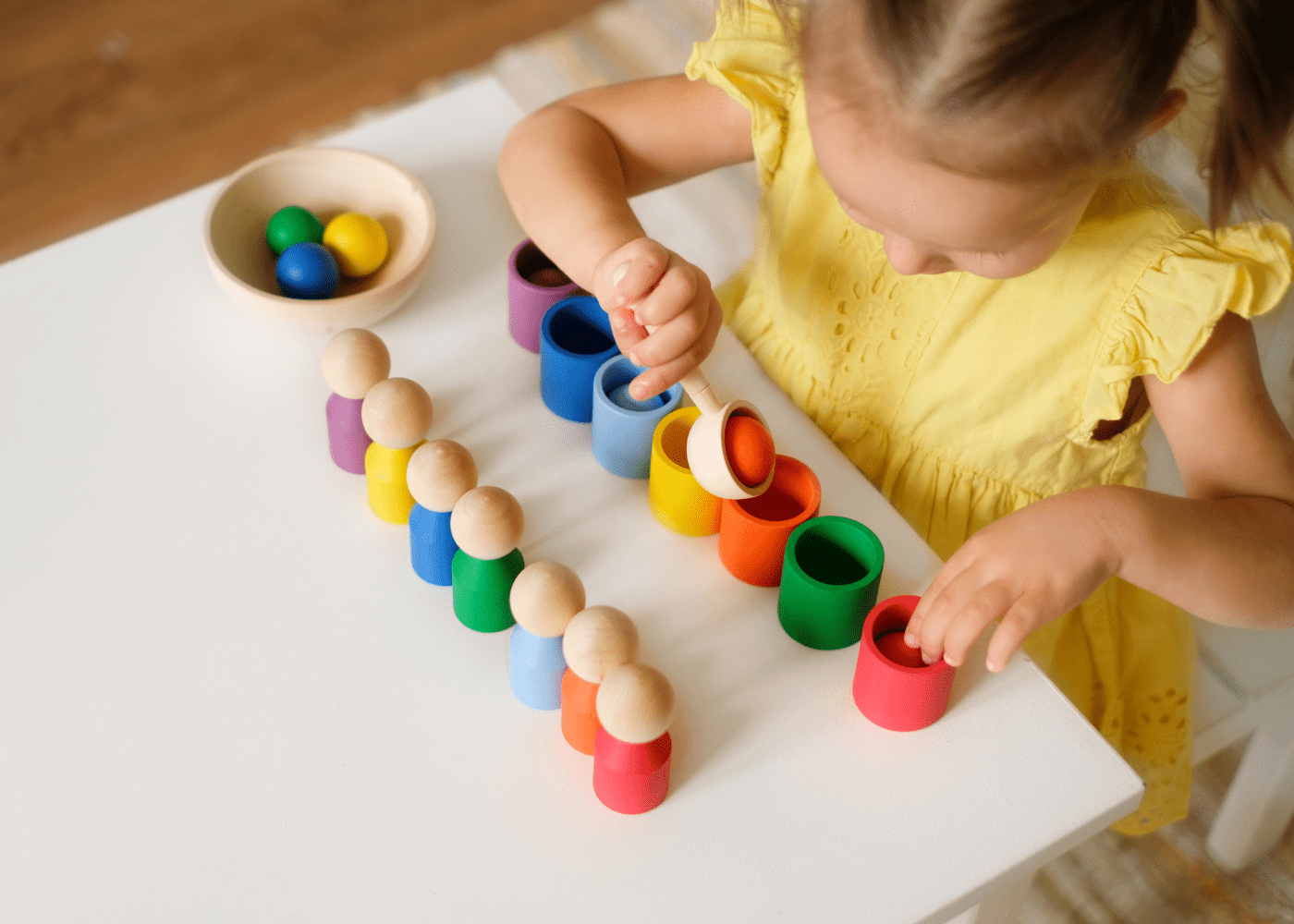
Preschool sorting activities
Discover the benefits of simple preschool sorting activities: Teach your child early literacy and math skills through engaging sorting activities. Help them develop executive function skills while learning about colors, shapes, and sizes. Find ideas and tips for practicing this essential skill at home. Read now
-
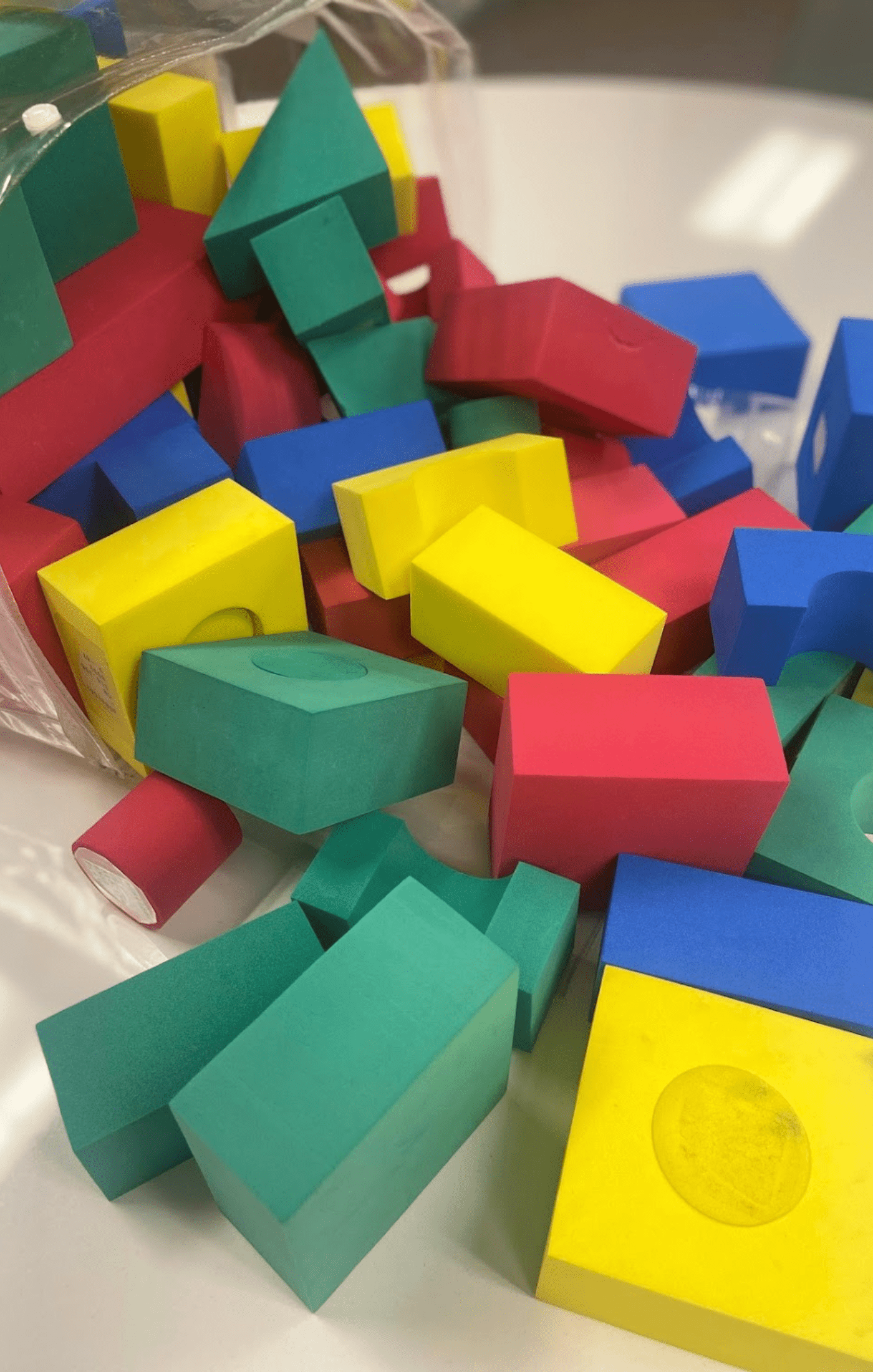
Kindergarten sorting activities
Sorting is one of those math skills that quietly underpins a lot of what kids learn in kindergarten. When children sort objects, they start to notice what makes things the same and what makes them different. That kind of thinking carries over into reading, science, and everyday problem-solving. It is worth giving kids plenty of…
-
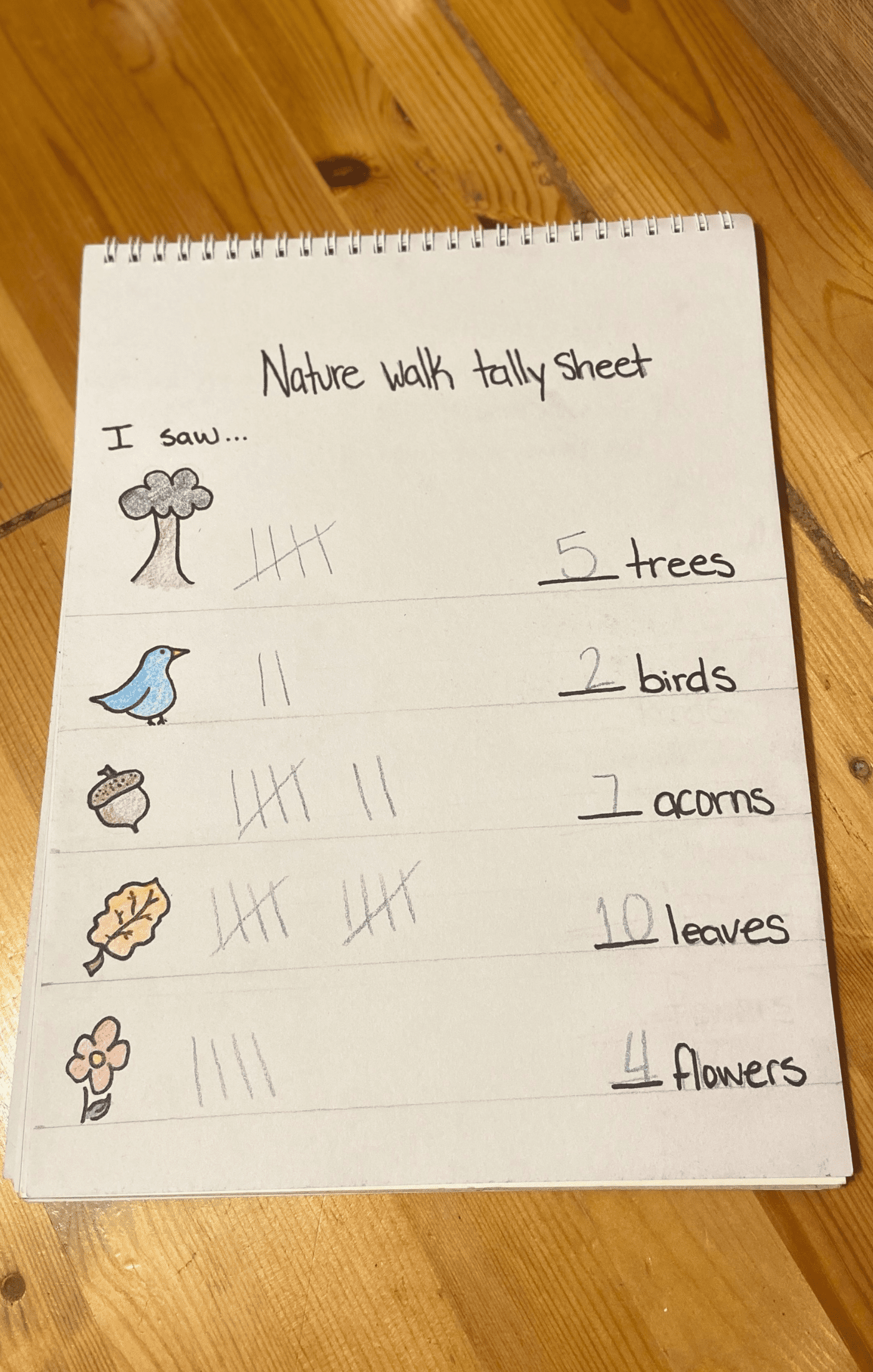
Tally mark worksheets
Tally marks are one of those small math skills that turn out to be surprisingly useful. Kids use them to count, track data, and spot patterns, and the method is quick enough that even young children can use it independently. This post explains why tally marks matter, how to practice them at home or in…
-
10 nature counting activities
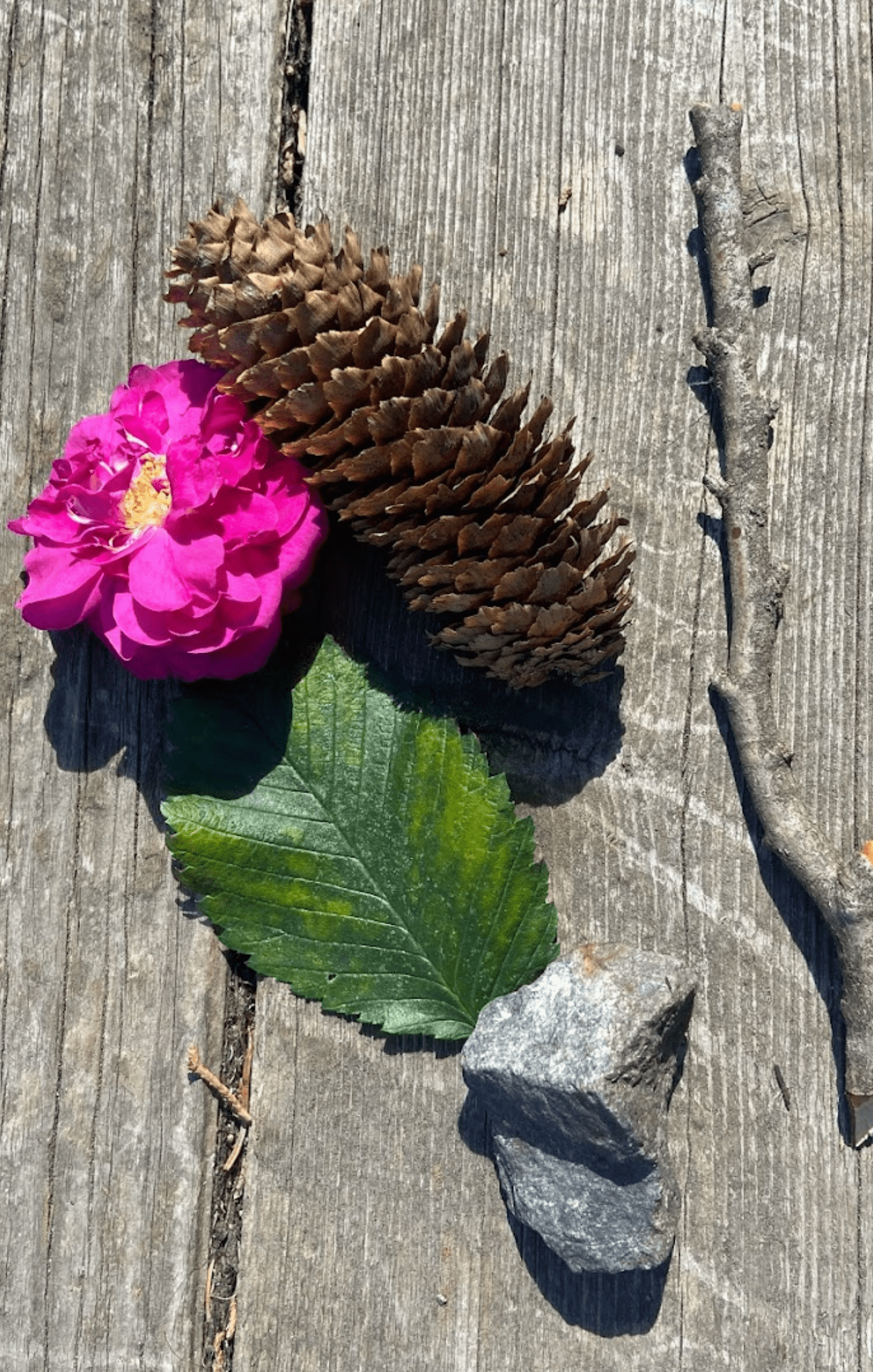
Nature counting activities for kids Counting is one of the first real math skills children build. And it turns out, the outdoors is one of the best places to practice it. Sticks, rocks, pinecones, flowers, and bugs are all natural materials that invite kids to touch, sort, and count without any worksheets required. Whether you…
-
Math in nature
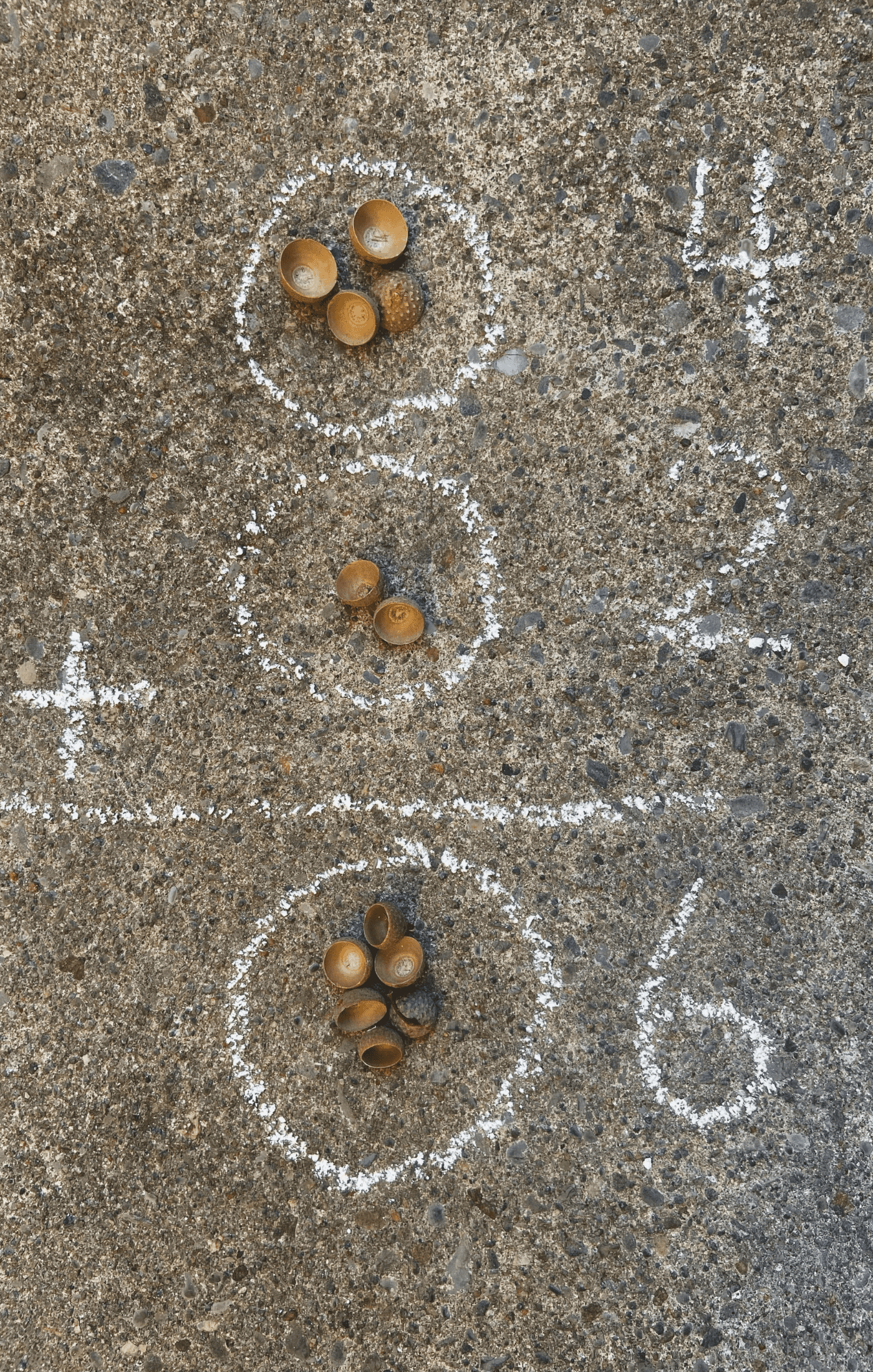
Math doesn’t have to happen at a table. The outdoors is full of numbers, shapes, patterns, and data just waiting to be noticed. Taking math outside gives children a chance to learn through touch, movement, and real observation. That kind of hands-on experience tends to stick better than a worksheet alone. If you’re curious about…
-
Number tracing worksheets
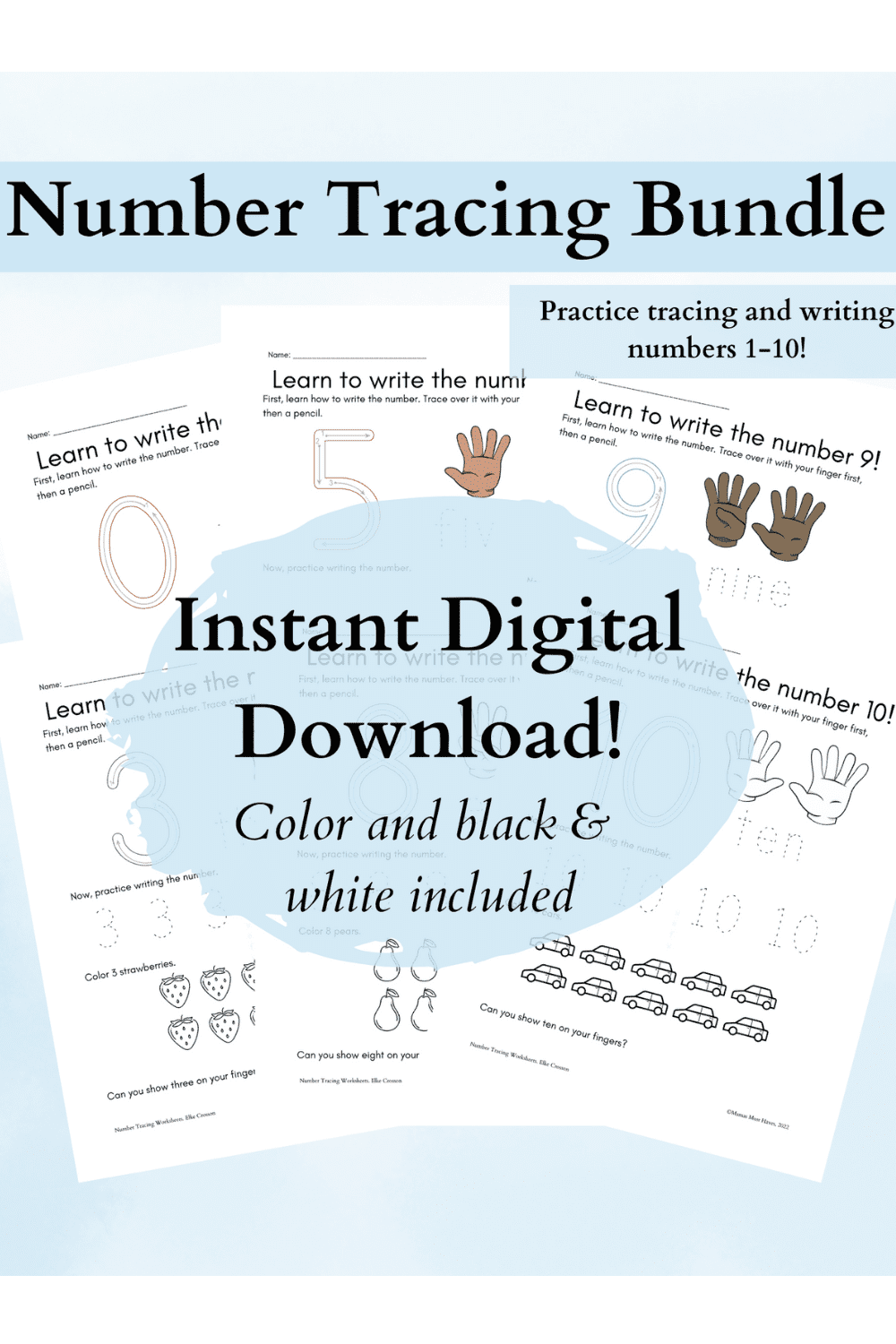
Number tracing worksheets give young children a simple, hands-on way to practice writing numbers, recognizing them, and counting. These free printable pages work well for preschool and kindergarten-aged kids, and they cover a lot of ground in one sitting. On each page, children practice writing the number and its name, count a set of matching…
-
Sink or float experiment
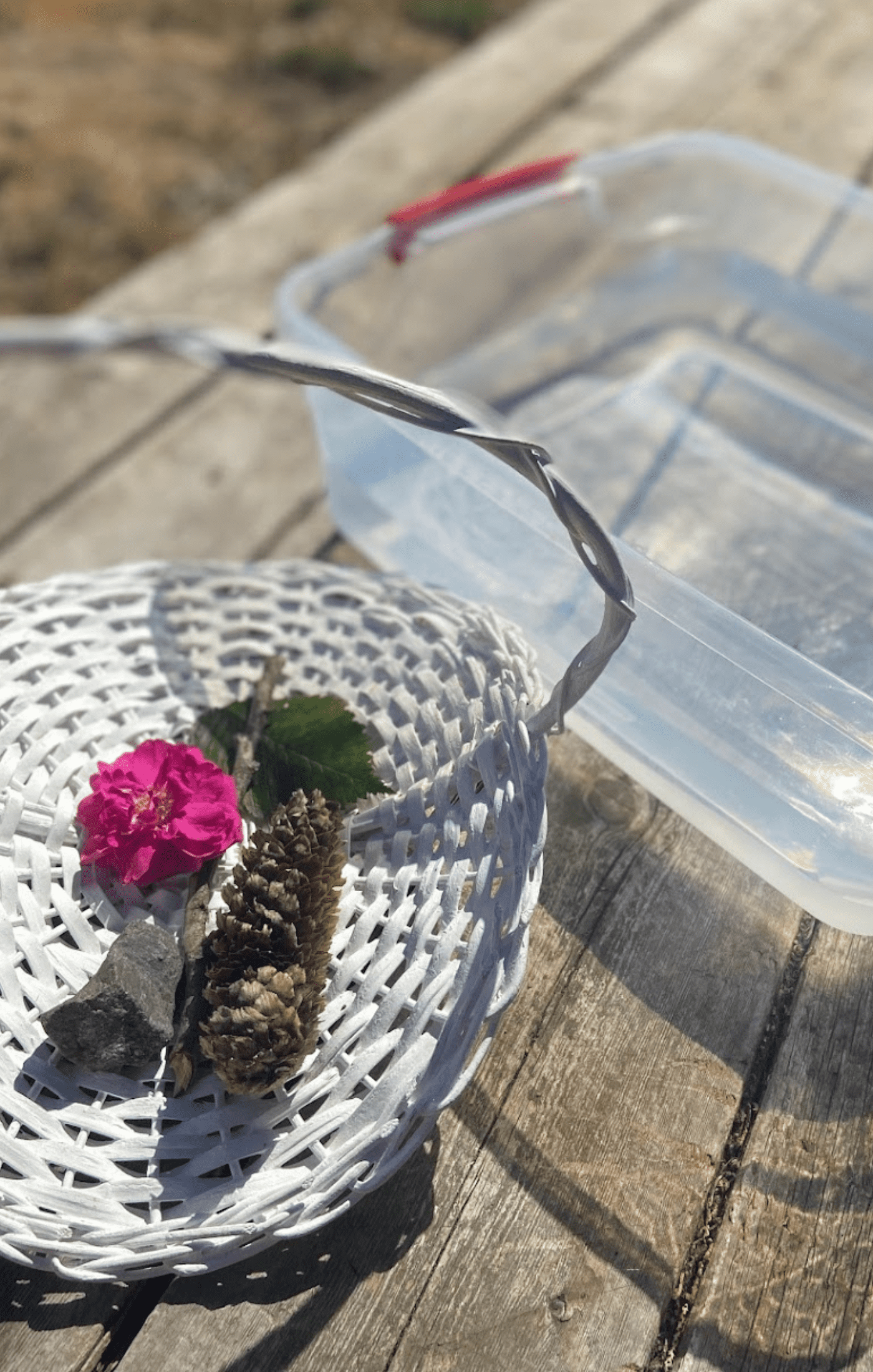
The sink or float experiment is one of the simplest science activities you can do with young children. All you need is a container of water and a handful of objects. Kids drop each item in and watch what happens. That’s it. And yet, there is real science behind every splash. This activity introduces children…
-
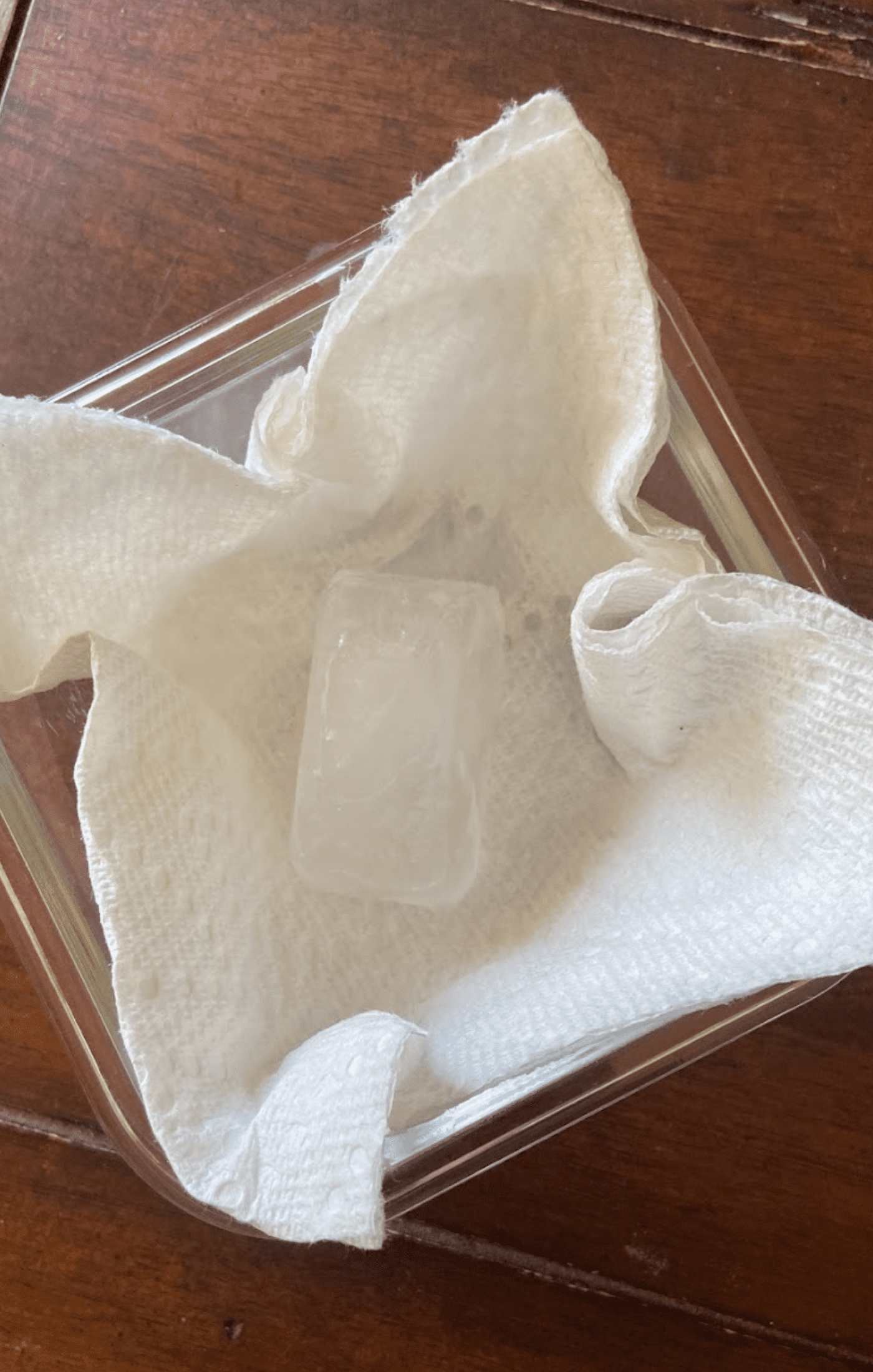
What is the best insulation to keep ice from melting?
What is the best insulation to keep ice from melting? That question turns out to be a surprisingly engaging science experiment for kids of almost any age. This activity asks children to think like engineers. They design their own insulator, test it, and compare the results. The best part is that you probably already have…
-
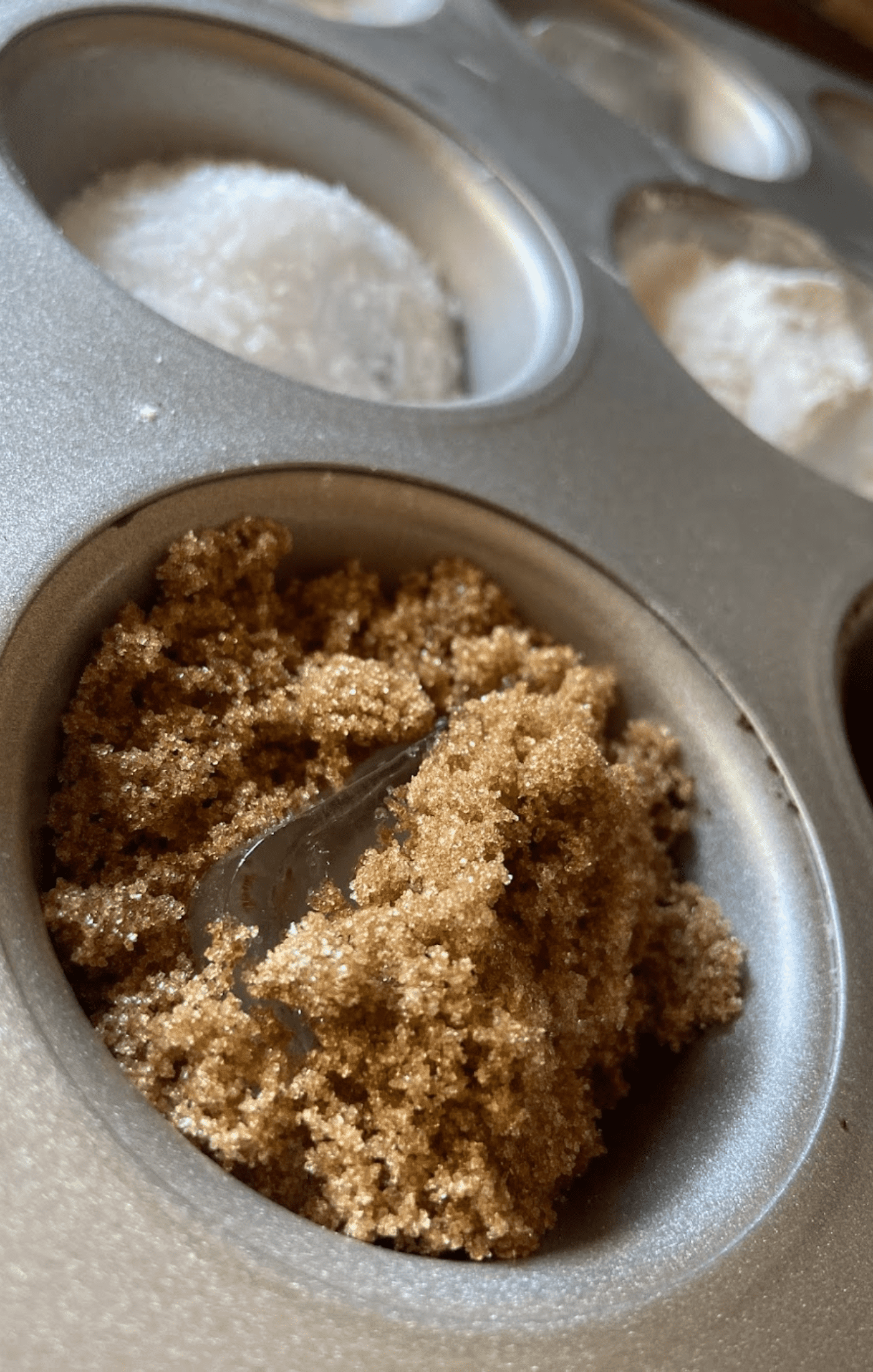
What melts ice the fastest?
Ice melting experiments are a great way to bring real science into your kitchen or backyard. Kids naturally wonder why ice disappears faster in some situations than others, and these three experiments give them a hands-on way to find out. Each one builds on basic ideas about heat energy, freezing points, and insulation. You don’t…