
Getting good sleep is one of the most important things you can do for your health. The right sounds can help quiet a busy mind and make it easier to fall asleep. This post covers what kinds of music and audio actually work, and how to put together a routine that helps you rest.
What makes music good for sleep
The best sleep music has a slow, steady rhythm without much variation in pitch or volume. It creates a consistent background sound that keeps other noises from pulling your attention. When something is steady and predictable, your brain stops scanning for it and can relax.
The National Sleep Foundation recommends choosing music with a slow rhythm, somewhere between 60 and 80 beats per minute. That range is close to a resting heart rate, which may be part of why it feels calming.
Making sleep music part of your nightly routine also helps over time. Your mind starts to connect those sounds with winding down, so it becomes easier to fall asleep even after a full and tiring day.
A good rule of thumb: if a song makes you want to tap your foot, sing along, or feel a strong emotion, it is probably not the right choice for bedtime. Save those for the morning.
Four types of sleep music to try
There are four main categories of sound that tend to work well for sleep. Not everyone responds the same way, so it is worth spending a few nights trying each one to see what works best for you.
Soothing classical music
Classical music is a reliable choice for bedtime listening. Look for pieces where the sound stays even, without loud peaks or sudden quiet moments. Instrumental works with a gentle hum or drone tend to work especially well.
A few pieces worth trying include Brahms’ Lullaby, Satie’s Trois Gymnopédies, Chopin’s Nocturne No. 20 in C Sharp Minor, Mendelssohn’s Song Without Words Op. 30 No. 3, Saint-Saëns’ The Swan, the Bach/Gounod Ave Maria, and Rachmaninoff’s Vocalise. These are all relatively quiet and consistent, which is exactly what you want.
Research supports this approach too. A study published in the Journal of Advanced Nursing found that relaxing classical music is an effective way to reduce sleeping problems.
Save the dramatic opera and anything with big dynamic swings for daytime listening. Those pieces are great, just not at bedtime.
Tranquil nature sounds
Nature sounds work similarly to white noise. They create a soft, consistent backdrop that masks sudden sounds like traffic or a neighbor’s door. The key is that changes in the sound are gradual, not sharp.
Ocean waves, a running stream, steady rain, and crickets are all popular options. You can find these on YouTube, in music apps, or through dedicated sleep apps like Calm.
It is also worth knowing that not all nature noise is the same color. White noise is the most talked about, but pink noise and brown noise may work even better for some people. Pink noise sounds like steady rain or waves lapping at the shore. Brown noise is deeper, more like distant thunder or a low waterfall. Apps like Simply Noise and Noisli let you choose between these and adjust them to your preference.
Some nature soundtracks blend ambient sounds with gentle instrumental music, like soft piano layered under rainfall. These can be a good compromise if you and your partner have different preferences.
Calming sung lullabies
For some people, a steady human voice is more soothing than instruments or nature sounds. Sung lullabies, even familiar ones, can be surprisingly effective for adults.
Simple folk lullabies like Twinkle Twinkle Little Star, Dream Angus, Go to Sleep Little Baby, and Hushabye Mountain have a natural, repetitive quality that makes them easy to drift off to. Some pop songs work well in a slower, quieter version too. In My Life by the Beatles, Time After Time by Cyndi Lauper, and What a Wonderful World work beautifully as gentle lullabies.
You might also enjoy quieter recorded songs from artists like Bon Iver, Iron and Wine, or Nick Cave at a lower volume. The key is choosing versions that stay calm from start to finish.
One idea I love: record family members singing. I recorded my grandmother singing about a dozen songs, and my children still listen to them. It is worth doing while you have the chance.
Bedtime stories and sleep meditations
A calm, slow-moving spoken story can work just as well as music for many people. It gives your mind something to lightly focus on without requiring much effort. The best sleep stories are ones where very little happens. A narrator describing a quiet walk through a forest or a child watching the stars is far more effective than anything with a plot.
The Calm app offers a whole library of sleep stories for adults. One popular one is narrated by Matthew McConaughey and follows a child stargazing with her grandfather. It is genuinely relaxing.
Guided sleep meditations have a similar effect. Both Calm and Headspace offer meditations designed specifically for sleep, with a slow pace and a steady, quiet tone. These sit somewhere between spoken word and ambient music, and they work well for people who find their thoughts racing at bedtime.
Setting up your bedroom for sleep
Music can help, but it works best when the rest of your environment supports sleep too. Your bedroom should be quiet, dark, and cool. A temperature around 65 degrees Fahrenheit (about 18.5 degrees Celsius) is widely recommended for good sleep.
Clearing clutter before bed makes a difference. A tidy space feels calmer. Put screens away at least an hour before you plan to sleep. Cover any small blinking lights from chargers or devices. Invest in comfortable bedding and pajamas. These small details add up.
If you are also working on household organization, starting with the bedroom is a great place to begin. A calm, organized room signals rest before you even close your eyes.
How to play sleep music in your bedroom
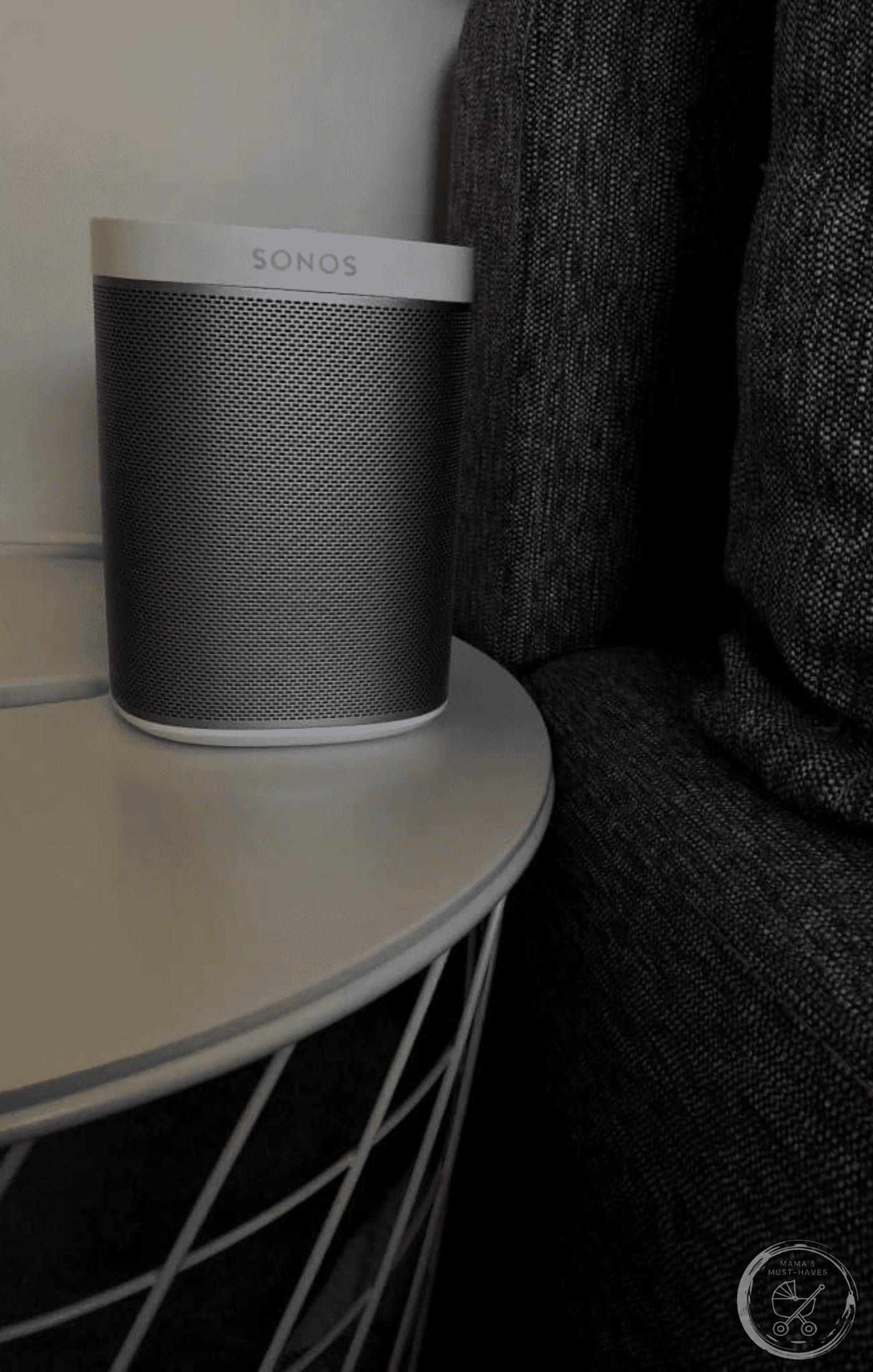
You do not need any special equipment. A phone speaker works fine, though a Bluetooth speaker or a Sonos speaker will give you better sound quality and let you place it wherever is most comfortable in the room.
One practical tip: use your phone or speaker’s alarm and sleep timer settings to have music start automatically at a set time and fade out after you are likely asleep. That way you do not have to think about it at all. You just get into bed and let the routine take over.
If you are building a consistent nighttime routine for your family, sleep music can be a helpful anchor for children too. Pairing it with other calm activities like reading or stretching can make the whole wind-down process smoother for everyone. You might also find our guide to toddler schedules useful if you are working on a consistent evening routine with young children.
Finding what works for you
The best approach is to spend a week or so trying one category at a time. Play it at a consistent, low volume while you get ready for bed and as you fall asleep. After a few nights, you will have a pretty clear sense of whether it is helping.
Some people find that a specific combination works perfectly, like soft classical piano mixed with gentle rain. Others do best with a simple nature loop. There is no single right answer. The goal is just to find something that helps your mind settle and your body rest.
Once you find it, stick with it. Consistency is what turns a pleasant sound into a reliable sleep cue. Over time, you may find that just hearing those first few seconds is enough to start the process of winding down.




Leave a Reply