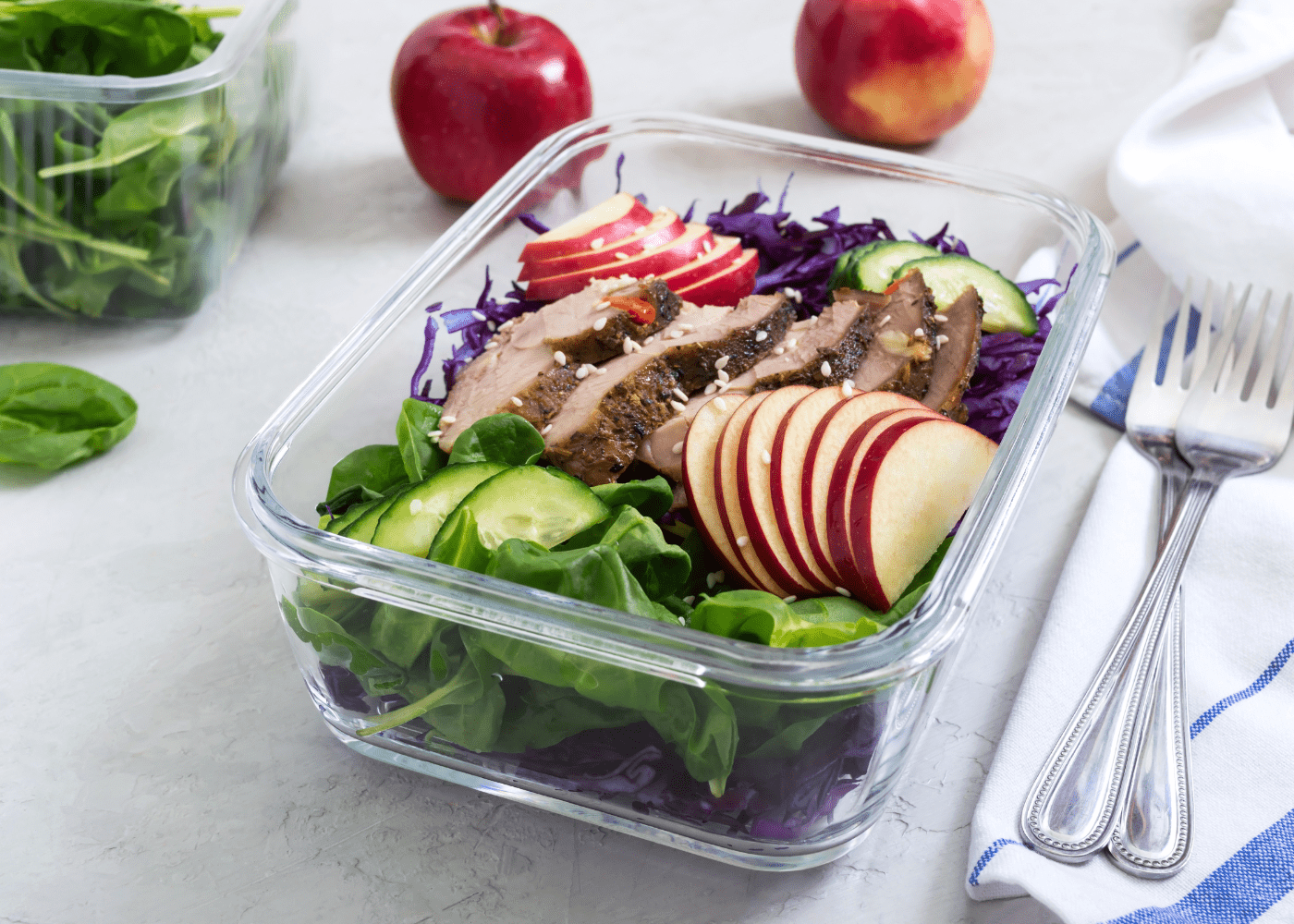
Food storage is one of those practical habits that quietly saves you money and stress over time. When you store food well, it stays fresh longer, you waste less, and you spend less at the store. It does not require a full pantry overhaul or a set of matching containers. It just takes a bit of thought about what you have, what you buy, and how you store it.
This post covers the main types of food storage containers, tips for storing produce and dry goods, and a few habits that make a real difference week to week.
What food storage actually means
Food storage is simply the practice of keeping food in conditions that slow spoilage and preserve quality. That includes the containers you use, where you keep food in your home, and how you handle food before putting it away. Temperature, humidity, light, and air exposure all affect how quickly food goes bad. Getting these factors right means your groceries last longer and your family eats better.
Good storage habits also make it easier to know what you have on hand. When dry goods are in clear containers and produce is prepped and ready to grab, you are more likely to use things up before they go bad.
Dry goods storage
The National Center for Home Food Preservation recommends storing dried foods in cool, dark, and dry spaces. Moisture and air are the main enemies of dry goods, so the container you choose matters a lot. Glass jars with tight lids, plastic freezer containers, and vacuum-sealed bags all work well. If you dry your own food at home, store it in portions you will use up in one go. This limits how often the food is exposed to air.
For everyday pantry staples like pasta, rice, oats, and cereal, clear glass or plastic containers with labels are a great option. They stack neatly, you can see exactly what is inside, and they help with pantry organization. If you transfer food out of its original packaging, write the expiry date on the container or a label so you do not lose track of it.
Glass jars and reusing what you already have
Glass jars are one of the most versatile storage tools you can have in your kitchen. They work well for dry goods like rice, lentils, and beans. They do not absorb odors, you can see the contents at a glance, and they are easy to clean. Wide-mouth jars are especially useful because they are easy to fill and scoop from.
One of my favorite habits is saving large glass jars from pasta sauce, salsa, or other grocery items. Once they are empty and thoroughly washed, they are perfect for storing bulk dry goods. This keeps costs down and reduces waste at the same time. Glass is my preference over plastic for pantry storage because it does not hold smells from previous foods and feels more durable over time.
Glass jars are also great for storing homemade drinks. If you make your own fermented drinks at home, check out our post on kombucha supplies for what you need to get started.
Plastic containers and sets
Plastic containers are a practical choice for many families, especially for food on the go. When choosing plastic containers, look for ones with locking lids and a tight seal. Sets that come in multiple sizes are useful because you can use the smaller ones for snacks and the larger ones for leftovers or meal prep. Look for a nesting set if you want containers designed to fit inside each other, which saves shelf space.
Before you use a container for liquids, do a quick leak test at home. Fill it with water, seal it, and tip it upside down over the sink. It sounds obvious, but it is worth checking before you pack soup in a lunch bag.
If you are choosing containers for children, plastic is often the safer option for younger kids. Accidents happen, and a dropped glass container can be a hazard. For older children and adults, glass is a solid choice. Pyrex-style glass containers are especially useful because they go from the fridge to the oven, which means fewer dishes and better-tasting reheated meals.
Reducing plastic with beeswax wraps and reusable bags
Plastic wrap is convenient, but it adds up to a lot of single-use waste if you reach for it every day. Beeswax wraps are a practical alternative. They are made with fabric, beeswax, resin, and sometimes a small amount of oil. You can wash and reuse them many times, and they work well for covering bowls, wrapping cheese, or keeping baked goods fresh. They are not a perfect substitute for every situation, but for everyday wrapping tasks, they do the job well.
Reusable snack bags are another swap worth making, especially for school lunches. They cost more upfront than disposable bags, but they hold up over many uses. For more ideas on keeping snacks organized and accessible, our snack storage ideas post has some helpful options.
Storing produce to make it last
How you handle produce when you get home makes a big difference in how long it stays fresh. A few simple habits can extend the life of your fruits and vegetables by several days.
Vegetables and herbs in water
Storing cut vegetables like carrots and celery in a glass container with a small amount of water keeps them crisp for much longer than leaving them loose in the fridge. This also works well for soft fresh herbs like parsley, cilantro, and mint. Stand the stems in a jar of water, cover loosely, and keep them in the fridge. They stay fresh and are easy to grab when you are cooking.
Freezing herbs before they go bad
If you have more fresh herbs than you can use, chop them and freeze them in ice cube trays with a little olive oil. Once frozen, transfer the cubes to a bag and keep them in the freezer. They are ready to drop straight into soups, sauces, or stir-fries. Hard herbs like rosemary and thyme do better wrapped in a damp paper towel, placed in a bag or container, and stored in the fridge.
Keeping ethylene-producing foods separate
Some foods release ethylene gas as they ripen, which speeds up the ripening of nearby produce. Onions, apples, and avocados are common examples. Store onions away from potatoes, apples, and garlic. This one small habit can prevent a lot of premature spoilage.
Blanching vegetables before they expire
If you have vegetables that are close to going bad and you cannot use them in time, blanch and freeze them. Blanching means briefly boiling the vegetables and then cooling them quickly in ice water. This stops the enzymes that cause spoilage and lets you keep the vegetables in the freezer for months. It works well for broccoli, green beans, corn, and spinach.
Buying in bulk
Buying staples in bulk is one of the best ways to cut grocery costs over time. Warehouse stores let you buy larger quantities at lower unit prices. Bulk food stores let you buy exactly the amount you need, which reduces packaging waste and leftover food you might not use. Many bulk stores encourage you to bring your own containers. You weigh the empty container before filling it, fill it with what you need, and then weigh it again to determine the cost.
If you shop this way regularly, it is worth having a few dedicated containers that you bring each time. Wide-mouth glass jars and sturdy plastic containers both work well. Label each one with what it holds so your pantry stays organized between shopping trips.
Food storage for on-the-go families
Families with young children spend a lot of time away from home, and having the right containers makes it much easier to bring food along. A few things are worth thinking about when choosing containers for travel and school lunches.
First, check whether the container is microwave safe if your child will be reheating food at school or care. Second, consider a thermos for warm meals, since a good insulated thermos keeps food hot for several hours without needing a microwave. Third, think about whether you want dishwasher-safe containers. For most busy families, this is a practical requirement, not a luxury. Finally, consider the age of your child when choosing materials. Younger children do better with plastic or stainless steel, while older children can manage glass containers more reliably.
Our post on snack storage ideas goes into more detail on keeping snacks accessible and organized for kids at home and on the go.
Long-term food storage
If you like to keep a stock of pantry staples on hand for emergencies or simply to avoid frequent grocery runs, long-term storage requires a bit more care. Airtight containers are essential. Store items in a cool, dark place, and keep them off the floor to protect against moisture. Basements can work well if they stay dry. Pantry shelves in interior rooms are usually better than shelves near exterior walls, which can get cold or damp.
Rotate your stock regularly. Put newer items behind older ones so you always use the oldest items first. Label everything with the date you stored it. This is especially important for home-dried or home-canned foods, which do not have printed expiry dates.
For more ideas on organizing your pantry and household organization in general, there are plenty of practical tips throughout the blog.
Putting it all together
Good food storage does not need to be complicated. A few reliable containers, some basic habits around produce prep, and a consistent approach to your pantry will take you a long way. Start with what you already have, reuse glass jars where you can, and add pieces over time as you figure out what your family actually needs. The goal is food that lasts longer, a pantry you can actually see and use, and less money spent replacing things that went bad before you got to them.
For more tips on organizing your kitchen and planning family meals, browse the related posts on the blog. There are recipes, storage tips, and practical ideas that fit into real family life.