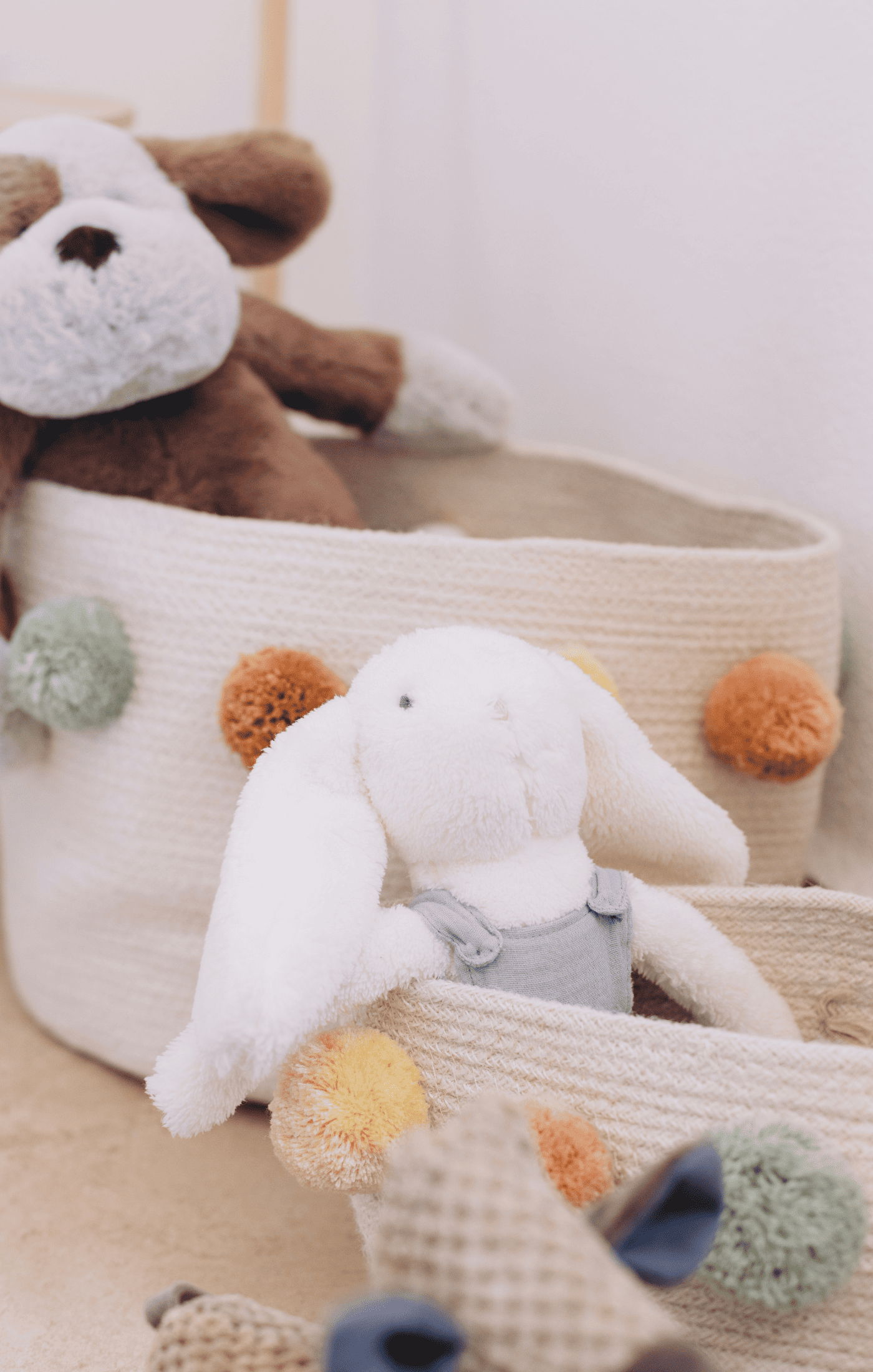
A toy closet can go from tidy to chaotic in about three days. If yours has reached a point where nobody can find anything and clean-up feels pointless, this guide is for you. Toy closet organization does not have to be complicated. With some clear thinking about what you have and how your kids actually play, you can set up a system that stays reasonably functional over the long term.
Why a well-organized toy closet actually helps
Organization is not about having a picture-perfect space. It is about making daily life a little smoother. When toys have a consistent home, children can find what they want without help. They can also put things away without you standing over them. That independence builds gradually, but it starts with a setup that makes sense to them.
A sorted toy closet also reduces the mental load on you. When things have a place, clean-up takes less time. You spend fewer evenings picking through a pile looking for missing puzzle pieces. The space stays manageable with less effort once the foundation is in place. For ideas on how this fits into a broader approach to household organization, it helps to think room by room.
Start by assessing what you are working with
Before you buy a single bin or shelf bracket, take stock of what you have. Pull everything out of the closet. Look at the volume of toys, the types of items, the sizes, and the available space you have to work with. This step saves you from buying organizers that do not fit or planning a system that falls apart in week two.
Think about how your children play. Do they gravitate toward building toys, art supplies, or pretend play? Are there toys that rarely get touched? Are there things that technically belong in another room? Answering these questions before you organize will shape every decision you make.
Sort and purge before you organize
Sorting is the most important step, and it is also the step most people skip. Take every toy out and group like items together. Building blocks in one pile, dolls in another, puzzles in another, and so on. Once you can see everything, it is much easier to figure out how much space each category needs.
While you are sorting, pull out anything broken, missing pieces, or no longer played with. Broken toys can go in the trash. Toys in good condition that your children have outgrown can be donated. Getting rid of what does not belong before you start organizing prevents you from designing storage around things that should not be there in the first place.
If you have a large toy collection, consider a rotation system. Store a portion of the toys in labeled bins elsewhere, such as in a basement or under a bed. Swap them out every few weeks. Children often engage more deeply with toys when the selection feels fresh, and a smaller set of toys is much easier to keep organized.
Toy storage ideas for playroom closets
Use bins and drawers with labels
Bins and drawers are the backbone of most good toy closet setups. They contain loose pieces, keep categories together, and stack efficiently. Label each one clearly. For children who cannot read yet, use picture labels alongside the words. This makes clean-up genuinely achievable for them on their own.
Clear bins are especially practical. You can see the contents at a glance without pulling everything off the shelf. They work well for art supplies, LEGO, small figures, and anything else with a lot of pieces. Opaque bins work fine for categories that do not need quick identification, like dress-up costumes or foam blocks.
Maximize vertical space with shelves
Most closets have more vertical space than people use. Installing shelving units or floating shelves lets you store toys at multiple heights. Put items your children use most at a height they can reach easily. Reserve upper shelves for things used less often, seasonal items, or anything you want to keep out of reach of younger children.
Floating shelves are flexible because you can install them at whatever height works for your space. They also work well for displaying books, small figures, or anything that benefits from being visible rather than tucked inside a bin.
Use the back of the closet door
The inside of a closet door is often completely unused. Over-the-door organizers with pockets are great for dress-up accessories, small toys, or art supplies. Hooks work well for hanging bags, costumes, or craft aprons. This area adds usable storage without taking up any floor or shelf space.
Make use of floor space
If your closet has floor space, use it for larger toys or bulky items that do not fit neatly on shelves. Storage cubes or a small toy chest work well here. Some storage cubes are sturdy enough to double as seating, which is a practical bonus in a playroom. Rolling bins or drawers are also useful on the floor because you can pull them out fully to access what is inside.
Keep small pieces contained
Small pieces are their own category of challenge. LEGO, puzzle pieces, game tokens, and tiny figures have a way of spreading everywhere. Dedicate specific containers to small-piece toys and keep them consistently stored in the same spot. Sorting these into separate containers by type also makes it far easier to find specific pieces when your child wants them.
For puzzles, consider storing each one in a labeled zip bag inside a bin rather than keeping the boxes. This saves a lot of space and keeps pieces together even when the box wears out. You can find ideas like this and more in the broader playroom storage ideas guide.
Organizing dress-up clothes and accessories
Dress-up clothes deserve their own section because they create clutter fast. A small clothing rod inside the closet, or even a portable garment rack if space allows, lets children hang costumes on child-sized hangers. Being able to see the options makes choosing an outfit easier and encourages kids to hang things back up.
Accessories like hats, wigs, masks, and jewelry can go in clear bags or labeled bins. Hang the bags from hooks on the door or closet wall. Keeping dress-up items grouped together prevents them from mixing with other toys and makes the whole category easier to manage.
Maintaining the system over time
The hardest part of toy organization is not setting it up. It is keeping it going. A few simple habits make a real difference here.
Set a clean-up expectation at the end of each play session. It does not have to be perfect, but toys should go back to their general area. For younger children, this will mean helping them. Over time, they learn the routine and can do more of it independently. A visual reminder of where things belong, like picture labels, helps a lot at this stage.
Every few months, do a quick reset. Check whether anything is broken, outgrown, or in the wrong spot. Swap out rotated toys. Take a donation bag to the car for the next time you pass a drop-off location. This kind of light maintenance keeps the system from gradually falling apart between bigger tidying sessions.
Involving children in the process matters. Let them help with the sorting. Let them weigh in on which bins they like. When they have some ownership over the system, they are more likely to use it. It also teaches them practical skills around tidiness and decision-making that carry over into other areas. The Montessori toy storage approach offers a useful framework if you want a more structured philosophy behind how toys are stored and rotated.
Common questions about toy closet organization
How do I stop it from getting messy again?
Consistency matters more than perfection. A simple daily routine where toys go back to their spot is more effective than a big weekly clean-up. The system also needs to be easy enough that children can participate. If putting something away requires too many steps, it will not happen.
How often should I rotate toys?
There is no single right answer. Some families rotate monthly, others seasonally. Watch your children. If they seem bored with what is available or are not playing with much, it is probably time to swap things out. If they are engaged with what they have, leave it alone.
How do I get my children involved?
Start small. Let them sort toys into categories alongside you. Ask them which things they still like and which they are ready to pass on. Give them the job of carrying donation items to the bag. Make clean-up a consistent part of the day rather than a reaction to a mess. For more structured ideas on building these habits, the home organization ideas section has practical starting points.
A few final thoughts
A well-organized toy closet will not stay perfect on its own. But a well-designed system makes it much easier to reset quickly when things get out of hand. Start with a good sort, choose storage that fits how your family actually uses the space, label everything clearly, and build in a simple maintenance habit. That is really all it takes to keep a toy closet working for you rather than against you.