
Potty training is one of those parenting milestones that can feel surprisingly stressful. You know it has to happen, but it’s hard to know where to start. The good news is that other parents have been through it, and some of them have written really solid books about it. Reading even one of these before you begin can make the whole process feel much more manageable.
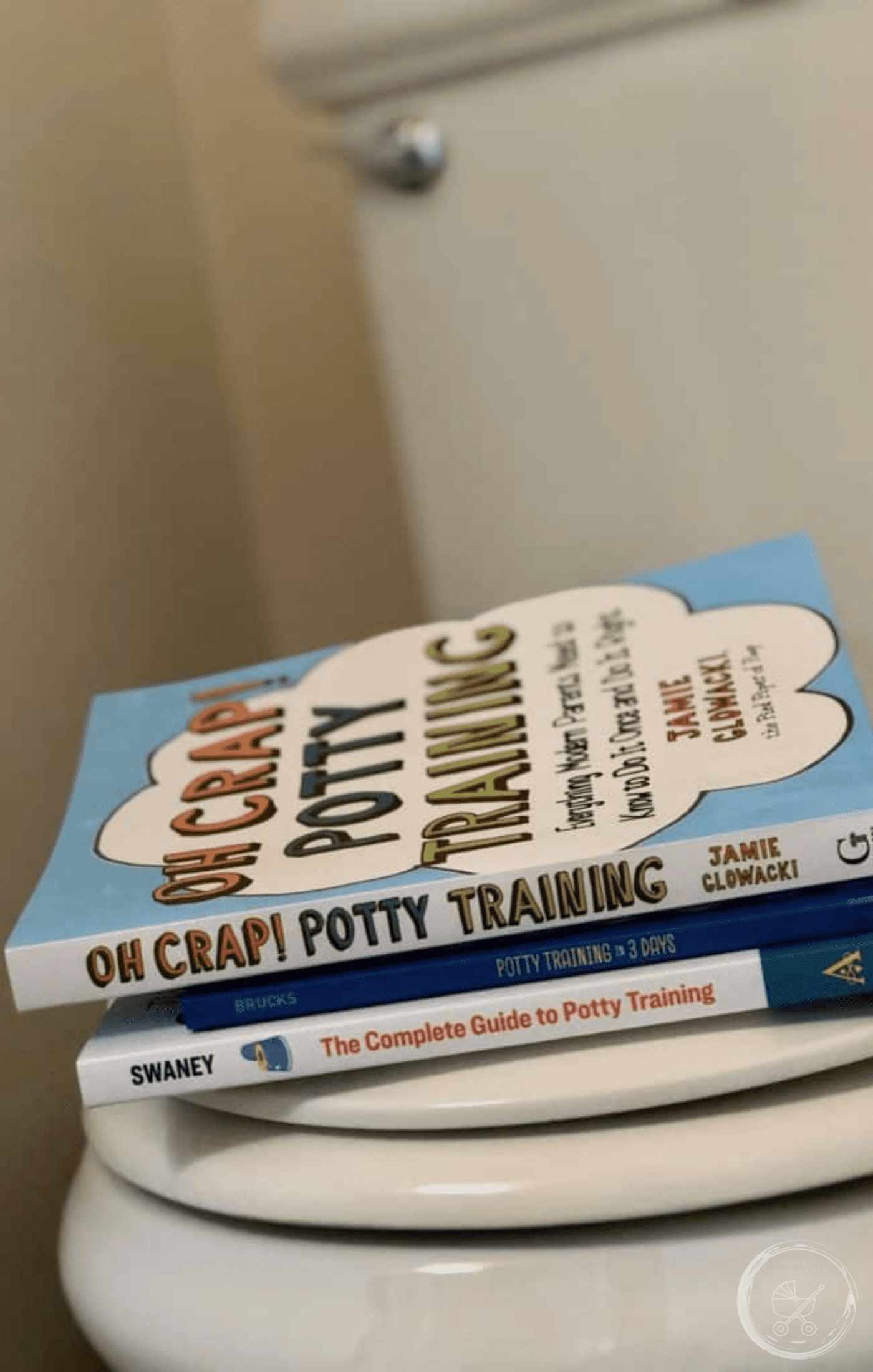
The three books I recommend most often are Oh Crap! Potty Training by Jamie Glowacki, The Complete Guide to Potty Training by Michelle D. Swaney, and Potty Training in 3 Days by Brandi Brucks. Any one of these is worth reading before you start. Chances are your local library has at least one of them, and all three are available online.
If you want to dig deeper into toddler care beyond potty training, there is a lot of helpful reading out there. But for potty training specifically, these books cover the topic well.
What most potty training books have in common
Despite the many different titles and methods out there, most potty training approaches fall into one of two general camps. The first uses rewards to motivate children. The second relies on consistency and commitment from the parent to guide the process. Some books combine elements of both. Neither approach is wrong. The right one depends on your child’s personality and your own parenting style.
Having a clear plan before you start makes a real difference. Going in without one tends to lead to mixed signals for your child, which makes the whole thing take longer.
Oh Crap! Potty Training, by Jamie Glowacki
This is the book I recommend most to parents who want clear, direct instructions. Jamie Glowacki’s method is built on consistency and commitment rather than rewards. It came highly recommended to me by other parents, and I can see why. It consistently ranks as one of the most-read potty training books for a reason.
The approach requires a lot of focused effort at the start. Glowacki recommends clearing your social calendar for a full week. The first day is the most intense. You ditch the diapers entirely and spend the day watching your child closely around the house. There are no pants or underwear at first, which means accidents land on the floor rather than in clothing. It is messy, but it gives your child a clear, uninterrupted chance to learn what their body is doing.
After that first intense day, the process moves through stages: going without underwear but with pants, and then eventually wearing underwear. The book also covers getting other caregivers on board, which matters a lot. If anyone in your child’s life is using a different approach, regressions are more likely.
Glowacki introduces public washrooms fairly early in the process. That can feel like a big step, but the book gives practical advice for handling it. There is also a sassy, conversational tone throughout, which some parents love and others find a bit much. If you need a few days off work to make this method happen and you’re comfortable with a direct writing style, this book is an excellent choice.
Jamie also offers online courses and group coaching for parents who want more support beyond the book.
The Complete Guide to Potty Training, by Michelle D. Swaney
This book earns its title. It is thorough without being overwhelming, and it gives parents real room to make their own choices throughout the process. Rather than telling you exactly what to do, it helps you figure out what approach fits your child and your family.
Swaney walks you through decisions like whether to train naked or clothed, whether to use rewards or rely on internal motivation, and when the right time to start actually is. She also weaves in wisdom from older generations and combines it with modern methods, which I find refreshing. A lot of parenting books treat older approaches as outdated, but Swaney sees value in both.
The book includes a five-step potty training plan, input from experts and real parents, and practical tools like a Potty Tracker Chart and a Potty Training Checklist you can put on your fridge. If you like to research thoroughly before making decisions, this is probably the book for you. It respects your ability to think for yourself while still giving you plenty of structure to follow.
I also appreciate how this book treats children with dignity throughout. Swaney makes a strong case for teaching children where pee and poo go, even before parents feel fully ready to give up diapers.
Potty Training in 3 Days, by Brandi Brucks
This is the shortest of the three main books, and that is part of its appeal. If you are short on time and want to get started quickly, this is a practical pick. Brucks uses a rewards-based approach and asks parents to choose three back-to-back days with no outside commitments. You stay home for those days and focus entirely on the process.
The method centers on teaching children not to go in their pants. It is lighter on some topics, like getting poop in the potty and nighttime training, but for many families it covers exactly what they need. The three-day timeline is a goal, not a guarantee. Some children take longer, and that is completely normal. But the focused, short-burst approach works well for many families, and the book is clear and easy to follow.
Finding the right reward for your child is a key part of this method. Brucks emphasizes that children are more motivated when the reward feels meaningful to them personally, so the book encourages parents to think about what their specific child responds to.
Other potty training books worth knowing about
The three books above are my top picks, but there are several other titles that parents find helpful depending on their situation. Here is a brief look at each one.
Potty Train Your Child in Just One Day, by Teri Crane
This book is built around what Crane calls the Potty Party. It is the most involved of all the rewards-based methods and involves setting up a themed celebration around the potty training experience. There are 12 detailed themes to choose from, each with specific instructions for decorations, activities, snacks, prizes, and more. Each theme also comes with its own shopping list. It takes a lot of preparation and can be expensive, but if you enjoy going all out and your child responds well to excitement and novelty, this could be a fun approach to try.
Ready, Set, Go!, by Sarah Ockwell-Smith
This book comes from the creator of Gentle Parenting. It focuses on guiding children through potty learning without pressure, shame, or tears. There are no reward systems or countdowns. Instead, it relies on compassionate support and emotional attunement. If you already use a gentle parenting approach in other areas of life, this book will feel consistent with how you already parent.
Easy Peasy Potty Training, by Julie Schooler
This is a short, cheerful read that helps parents build their own simple plan based on their family’s personality and schedule. It uses a three-stage approach rather than highly detailed instructions. The tone is calm and encouraging, which is helpful if you are feeling anxious about starting. Schooler also explains how accidents are actually part of the learning process, which can take some of the frustration out of them.
Stress-Free Potty Training, by Sara Au and Peter Stavinoha
This book takes a psychology-based approach. Instead of giving step-by-step instructions, it focuses on understanding your child’s personality and what motivates them. The book includes a quiz to help you identify your child’s type and figure out the best approach from there. There are dedicated chapters for strong-willed children and sensory-oriented children, which can be genuinely useful for parents who have tried other methods without success. The authors also do a good job of explaining why rewards work well for some kids and backfire with others.
Potty Wise, by Gary Ezzo and Robert Bucknam
This is part of the popular Baby Wise series. It describes what the authors call a “developmental readiness approach.” The book covers a wide range, from an intense one-to-three-day method all the way to a relaxed approach spread over four to six months. It includes useful tips on potty training dolls and snack rewards, and it can be adapted to fit many different families and timelines.
The No-Cry Potty Training Solution, by Elizabeth Pantley
Pantley’s approach centers on a positive, shame-free experience for children. The book frames potty training as a normal part of childhood development, no more stressful than learning to walk or use a spoon. It includes some tips on using rewards and has a particularly fun idea for a Potty Prize Treasure Box that parents who enjoy a bit of craft and creativity will appreciate.
Diaper-Free Before 3, by Jill Lekovic
This is the most evidence-based book on the list. Dr. Lekovic is a medical doctor, and her book reflects that background. It is grounded in research and written with a calm, reassuring tone. If you feel more confident when advice comes from a medical perspective, this is a good choice. It makes a strong case for starting potty training earlier than many current popular methods suggest.
Which book should you choose?
The honest answer is that any of these books is better than no book at all. Going into potty training with a clear approach helps you stay consistent, and consistency is what makes the difference more than any specific method.
If you want direct instructions and are willing to commit a full week, start with Oh Crap! Potty Training. If you like to research and customize, The Complete Guide to Potty Training is a great fit. If you want a quick, focused read that gets you started fast, Potty Training in 3 Days is the one to grab.
It can also help to think about this alongside other developmental milestones your child is working on. If you are tracking kindergarten readiness, potty training is one piece of a bigger picture. And if you are looking for ways to support learning at home more broadly, the Montessori home approach offers some ideas that pair well with child-led, low-pressure methods.
One more thing worth saying: potty training will end. It feels endless when you are in the middle of it, but your child will get there. Pick a book, make a plan, and trust the process.





Leave a Reply