Keeping a clean home when you have kids is one of those ongoing challenges that never quite goes away. The mess comes back faster than you can deal with it, and deep cleaning often falls to the bottom of the list. These house cleaning tips are practical and straightforward. They work for real families with real schedules.
Start with a plan
Before you pick up a single sponge, take a few minutes to think about what actually needs to get done. Write it down. A short checklist keeps you focused and helps you avoid the trap of starting five things and finishing none of them.
Prioritize tasks based on how much attention they need from you. Start with the things that run on their own. Put in a load of laundry or run the dishwasher first. While those are going, you can tackle smaller tasks like wiping counters or sweeping the floor. You get more done in the same amount of time without feeling like you are spinning your wheels.
Setting a timer also helps. If you know you have 20 minutes, you tend to move with more purpose. Breaking the work into short blocks also makes it easier to fit cleaning into a busy day without sacrificing everything else.
Keep your supplies easy to grab
One of the simplest ways to clean faster is to stop wasting time looking for your supplies. Keep everything in one spot. A cleaning caddy or a small bucket works well. You can carry it from room to room without making extra trips.
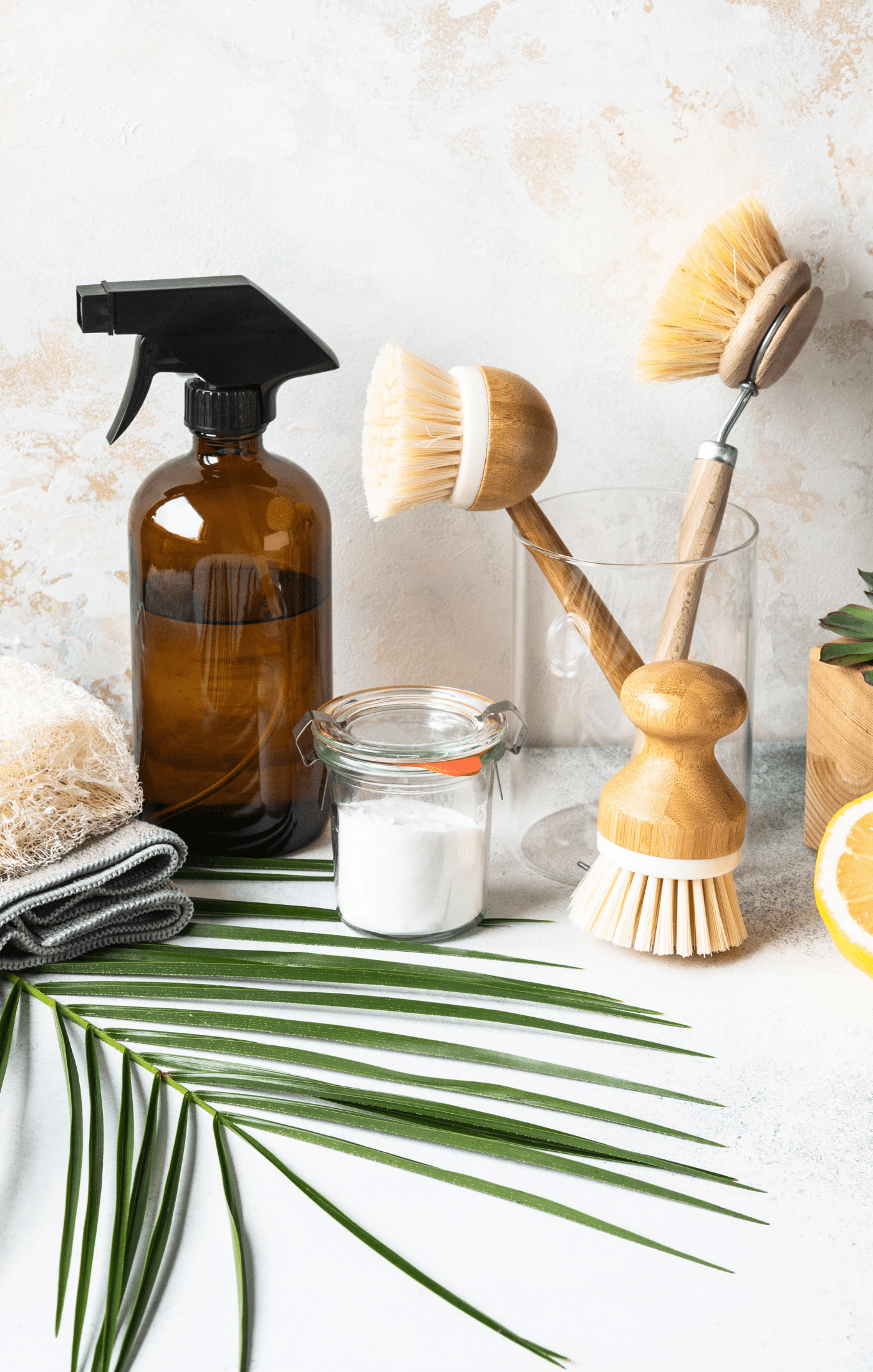
When it comes to what you put in that caddy, think carefully. Cleaning products end up in the air you breathe and on the surfaces your family touches every day. Melissa Maker, author of Clean My Space, recommends using homemade cleaners as much as possible. She and her team use about 70 percent homemade solutions made with dish soap, baking soda, and vinegar, and about 30 percent store-bought products for situations where a commercial cleaner is more practical.
Here are the basics worth keeping on hand. A vacuum with multiple attachments handles floors, upholstery, and tight corners. A mop and bucket work well for hard floors. Microfiber cloths are some of the most useful tools in your kit. They dust, wipe surfaces, and clean glass without leaving streaks. They are also machine washable, so you can reuse them. An all-purpose cleaner handles most surface cleaning. A spray glass cleaner takes care of mirrors and stainless steel. Baking soda is useful for absorbing odors in the fridge. A mix of two parts water and one part white vinegar in a spray bottle gives you a cheap, effective, and eco-friendly surface cleaner.
If you want to try ready-made eco-friendly options, Blueland makes a popular starter kit that replaces several single-use plastic bottles with refillable versions.
Clean from the top down
Dust and debris fall. That is why you always want to start high and work your way to the floor. Wipe ceiling fans, shelves, and the tops of furniture before you sweep or vacuum. Otherwise, you end up cleaning the floor twice.
A tip worth borrowing from the cleaning account Go Clean Co: vacuum before you wipe. It sounds obvious, but it is easy to forget. Vacuum surfaces and the insides of cupboards before going over them with a damp cloth or spray cleaner. It makes the wiping step go much faster.
Work room by room
Trying to clean the whole house at once is a good way to feel exhausted and still finish with nothing fully done. Instead, pick one room and complete it before moving on. This approach makes the work feel manageable. It also gives you a clear sense of progress, which helps you stay motivated.
For a quick clean, focus on the most visible areas first. Tidy surfaces, vacuum or sweep the floor, and wipe down anything that looks dirty. Save baseboards, light switches, and door frames for a deeper clean later in the month.
Room-by-room cleaning tips
Cleaning the bathroom
Gather your supplies before you start. You will need disinfectant spray, a toilet brush, a sponge or cloth, glass cleaner or your vinegar spray, and a dedicated mop or rag for the floor. Keep a separate rag just for the toilet. Never mix it with the rags you use elsewhere.
Wipe down all surfaces with disinfectant first. Rinse the sink and tub or shower. Use a bathroom cleaner to scrub away soap scum or mildew. For a shower head with hard water buildup, fill a plastic bag with white vinegar and tie it around the shower head. Let it soak for about ten minutes and then rinse.
Apply toilet bowl cleaner and let it sit for five minutes before scrubbing with the toilet brush. Then wipe the outside of the toilet, including the handle, tank, and seat, with a disinfecting spray. Move on to mirrors and fixtures using glass cleaner or your vinegar and water mix. Finish by mopping the floor and tossing reusable rags into a laundry pile.
Cleaning the kitchen and dining room
Clear countertops first. Remove dishes, appliances you are not using, and anything that has collected there over the week. Then sweep or vacuum the floor before you mop, so you are not just pushing debris around with a wet mop.
Wipe down all surfaces with a damp cloth, including the counters, cabinet fronts, refrigerator, and microwave. For a stainless steel sink, wet the basin and coat it with baking soda. Add a little mild dish soap to a damp sponge and scrub, then rinse. Avoid bleach on stainless steel because it damages the finish. For a white porcelain sink, sprinkle hydrogen peroxide over the baking soda before scrubbing.
To clean and freshen a garbage disposal, pour half a cup of baking soda and one cup of white vinegar into it. Let it sit for a few minutes, then run hot water to flush it out. Tossing citrus peels in occasionally also helps with odors.
In the dining room, dust furniture and chairs, vacuum the floor, and clean any windows or mirrors with your vinegar and water spray.
Cleaning the living room
Start by decluttering. Put toys back in their storage spots, straighten bookshelves, and return anything that does not belong in the living room to its proper place. Having good playroom storage ideas in place makes this step much faster.
Wipe down surfaces like the coffee table and side tables with a damp cloth. Vacuum the floor, and use the upholstery attachment to get into couch cushions and other hard-to-reach spots. Finish with windows and any mirrors.
Every few weeks, take time for a deeper pass. Wash pillowcases, spot-clean upholstered cushions, and clean any area rugs. If you have a sheepskin rug, it needs its own specific care to stay in good shape.
Cleaning bedrooms
Declutter first, then make the bed. Vacuum or sweep the floor, including along the baseboards. Dust all furniture surfaces, shelves, and walls. Clean any mirrors or windows. That covers a basic weekly clean.
Once a month, go deeper. Wipe down door frames, window sills, and baseboards with an all-purpose cleaner. A dryer sheet rubbed along baseboards after cleaning helps keep dust from settling back as quickly. Also wipe light switches and door handles, which are high-contact spots that are easy to overlook. If you have young children, check the lower walls for fingerprints too.
Build a cleaning schedule that you will actually use
A cleaning schedule only works if it fits your real life. Set realistic goals. You do not need to clean everything in one day. Spreading tasks across the week keeps the work lighter and prevents things from getting out of hand between deep cleans.
Break tasks into daily, weekly, and monthly categories. Daily tasks might include wiping counters, doing the dishes, and a quick tidy of common areas. Weekly tasks might include vacuuming, mopping, and cleaning bathrooms. Monthly tasks cover the deeper work like washing windows, scrubbing grout, or cleaning inside the fridge.
Getting the whole family involved makes a real difference. Assign age-appropriate jobs to your kids. Even young children can help put toys away, carry their dishes to the sink, or wipe down low surfaces with a damp cloth. Always keep cleaning products stored out of reach of children, no matter how involved they get in helping.
Put your cleaning time in your calendar like any other appointment. Setting a recurring alarm on your phone takes less than a minute and removes the mental work of remembering when things last got done.
Giving yourself a small reward after finishing a big task is not silly. It works. Whether that is a coffee, a short break, or a family outing after tackling a deep clean, building in positive reinforcement keeps the routine going. Research consistently shows that short breaks between tasks also improve focus and effectiveness.
Declutter regularly
Fewer things means less to clean around. Spend a few minutes each week going through one area, whether that is a drawer, a shelf, or a closet. Get rid of anything your family is not using. Donate it, recycle it, or throw it out. This habit does more for your home than any cleaning product. Good household organization starts with having less stuff, not more storage.
Be consistent over perfect
Fifteen minutes of cleaning every day does more for a home than one exhausting Saturday session every few weeks. Consistency prevents buildup. It means you never face a bathroom that needs an hour of work or a kitchen that takes most of the afternoon.
You do not need a perfect system. You need one that you actually follow. Start simple, adjust as you go, and give yourself credit for what you do get done. A clean enough home is a livable home, and that is the real goal.
Frequently asked questions
What is the most effective way to clean a house?
Make a checklist before you start. Work room by room rather than jumping between spaces. Keep your supplies in one easy-to-grab spot. Clean from the top of each room down to the floor. A timer helps you stay on track if you tend to lose focus or get distracted.
What should be done every day?
Even a short daily cleaning habit makes a big difference. Wiping down kitchen surfaces, doing the dishes, sweeping high-traffic floors, and doing a quick tidy of common areas are all good daily tasks. Fifteen minutes a day is enough to keep a home from getting overwhelming.
More cleaning tips
If you found these tips helpful, you might also want to read about how to clean the inside of a windshield, how to get mascara out of clothes, how to clean seat belts, how to get crayon stains out of clothes, and how to get detergent stains out of clothes. For a broader look at keeping your home tidy and functional, visit the house cleaning tips section of the blog.