
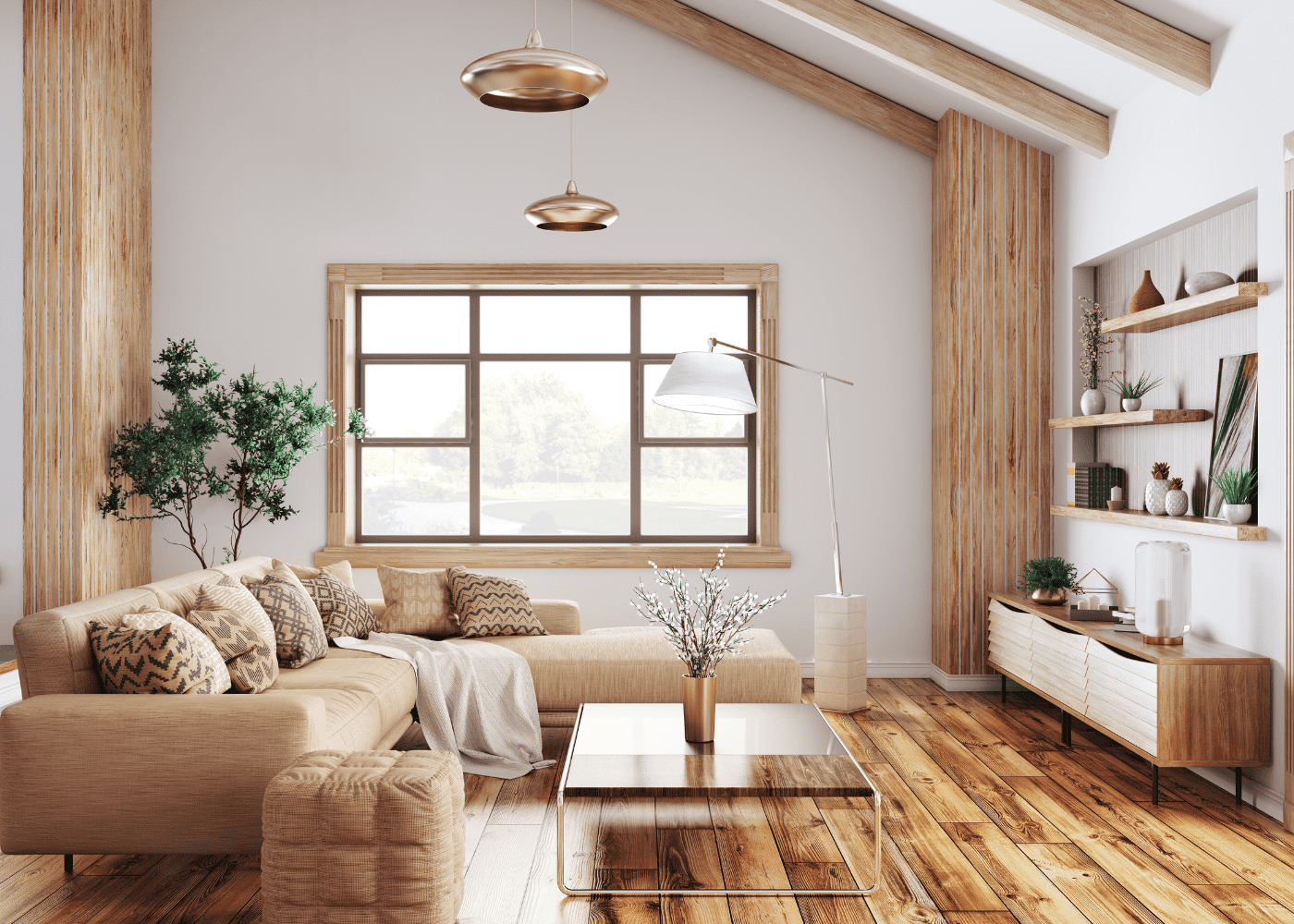
A living room collects stuff fast. Books, blankets, board games, remote controls, kids’ toys, and media equipment all need a home. When there is no clear place for things to go, the room starts to feel chaotic. The good news is that storage does not have to be complicated or expensive. With a few smart choices, you can keep the space tidy and still have it feel warm and lived-in.
These ideas work for all kinds of living rooms, from large open-plan spaces to small apartments where every square foot counts. Start with what bothers you most, and work from there.
Start by taking stock of what you actually need to store
Before you buy anything or rearrange furniture, spend a few minutes thinking about what you are actually trying to store. Books and magazines have different needs than board games or extra throws. Media equipment needs cable management. Toys need to be accessible during the day but containable at night.
Once you have a clear picture of what needs a home, you can match storage solutions to real needs instead of guessing. This saves money and keeps the room from feeling over-furnished. Our organization tools for home guide is a good place to find practical items that help with this process.
Make the most of floor space
Floor-level storage is often the easiest place to start because it does not require any installation. A storage ottoman works well in almost any living room. It serves as a coffee table, extra seating, and a place to stash blankets or pillows. Choose one with a removable lid or a hinged top so it is easy to open and close throughout the day.
Coffee tables with built-in storage are another practical option. Some have lift-top surfaces that reveal a hidden compartment. Others have lower shelves or drawers for books and remotes. Either way, the table earns its place in the room by doing more than one job.
Baskets placed under a console table or along the bottom of a bookshelf also work well. They are easy to move, affordable, and can hold a surprising amount. Woven baskets add texture to the room while keeping things corralled. Wire or fabric bins work the same way and tend to be easier for kids to use on their own.
Use your walls for storage
Wall storage frees up floor space, which makes any room feel bigger. Floating shelves are one of the simplest options. They are affordable, widely available, and can be arranged in almost any configuration. Use them for books, plants, framed photos, or a mix of decorative and functional items.
Built-in shelving is a bigger investment, but it pays off in both storage capacity and visual impact. A full wall of built-ins around a fireplace or TV gives you room for everything from books to baskets to decorative objects. If built-ins are not in the budget, a freestanding bookcase placed against a wall achieves a similar result.
A gallery wall that incorporates small shelves or narrow cabinets is another option worth considering. It lets you display art and store things at the same time, which helps the wall feel intentional rather than cluttered. You can find more inspiration in our wall storage ideas guide.
Hidden storage keeps things looking calm
Not everything needs to be visible. In fact, one of the fastest ways to make a living room feel more organized is to put more things behind closed doors. A media console with cabinets hides cables, routers, gaming consoles, and remote controls. A TV stand with drawers keeps the area under the screen looking clean.
Sofas and sectionals with built-in storage are worth looking for if you are shopping for new furniture. Some models have lift-up seat cushions that reveal a wide storage compartment underneath. These are especially useful in smaller homes where linen closet space is limited.
Closed storage does not have to feel heavy or dark. Cabinets with light finishes, cane-front doors, or frosted glass panels keep the room feeling open while still hiding the mess inside.
Mix open and closed storage for balance
A room with only open shelving can look busy if things are not perfectly neat. A room with only closed storage can feel flat and impersonal. Mixing the two gives you the best of both options.
A bookcase with a combination of open shelves and closed lower cabinets is a classic example. The open shelves hold things you want to see, like books, plants, and a few decorative objects. The cabinets hold things you want to put away, like board games, extra batteries, or craft supplies.
The same principle applies to a media unit or credenza. Open sections can hold speakers or display items, while closed doors keep the less attractive equipment out of sight. This kind of balance makes the room feel organized without looking sterile.
Storage ideas for small living rooms
Small living rooms require a bit more thought, but the same principles apply. The key is to choose furniture that does more than one thing. A sofa with storage underneath, a coffee table with drawers, or a storage bench along one wall can replace several separate pieces of furniture.
Narrow console tables are useful in tight spaces. They can sit behind a sofa or against a wall and hold lamps, books, and a few small baskets without taking up much room. A bar cart is another compact option that can hold drinks, plants, or books and moves easily when you need to reconfigure the space.
Avoid the temptation to fill every corner. In a small room, fewer pieces of furniture tend to feel better than many. The goal is to have enough storage to keep things off surfaces and off the floor, not to add more furniture than the room can handle. Our organized living room guide has more tips specifically for keeping smaller spaces tidy.
Window seats and awkward spaces
Bay windows and window alcoves are often underused. If your living room has a window seat, adding storage underneath is one of the most practical things you can do. Built-in drawers or hinged bench lids turn that space into useful storage for throws, extra cushions, or seasonal items.
The space under a staircase is another spot that often goes to waste. Depending on the layout, you can add pull-out drawers, open shelves, or small cabinets. This works well for items you do not reach for every day, like holiday decorations or extra bedding.
Awkward alcoves on either side of a fireplace are natural spots for built-in shelving or cabinets. Even a freestanding unit that fits snugly into a recessed wall can add a lot of storage without making the room feel crowded.
Ceiling storage for bonus space
Ceiling-mounted storage is not common in living rooms, but it is worth considering if you have high ceilings and limited wall or floor space. A ceiling-mounted rack or hanging shelf can hold lightweight items like seasonal decor, spare cushions, or board games. This approach works especially well in rooms with exposed beams or an industrial aesthetic.
It is a less conventional choice, but in the right space, it adds storage without disrupting the main layout of the room at all.
A bar cart as a flexible storage piece
A bar cart is one of the most versatile storage pieces you can add to a living room. Yes, it can hold drinks and glasses. It can also hold books, a small plant, candles, or a collection of decorative objects. Because it is on wheels, you can move it easily when you need to.
In a small living room, a bar cart can function as a side table or a place to set up a drink station when guests come over. It takes up minimal floor space and adds a finished look without requiring any installation.
A few living room essentials worth organizing around
Once you have a storage plan in place, it helps to think about the core pieces every living room needs. Comfortable seating anchors the space. A coffee table or set of side tables gives everyone a surface to use. Good lighting, whether from lamps or an overhead fixture, makes the room feel intentional. A rug helps define the seating area and adds warmth underfoot.
Beyond that, window treatments, a few decorative accents, and a reliable storage piece like a bookshelf or credenza are what tie things together. Storage is not an afterthought. It is one of the building blocks of a room that actually functions well day to day.
If you are working on other areas of your home at the same time, our guides on nursery organization, playroom storage ideas, and home organization ideas may be helpful starting points.




Leave a Reply