
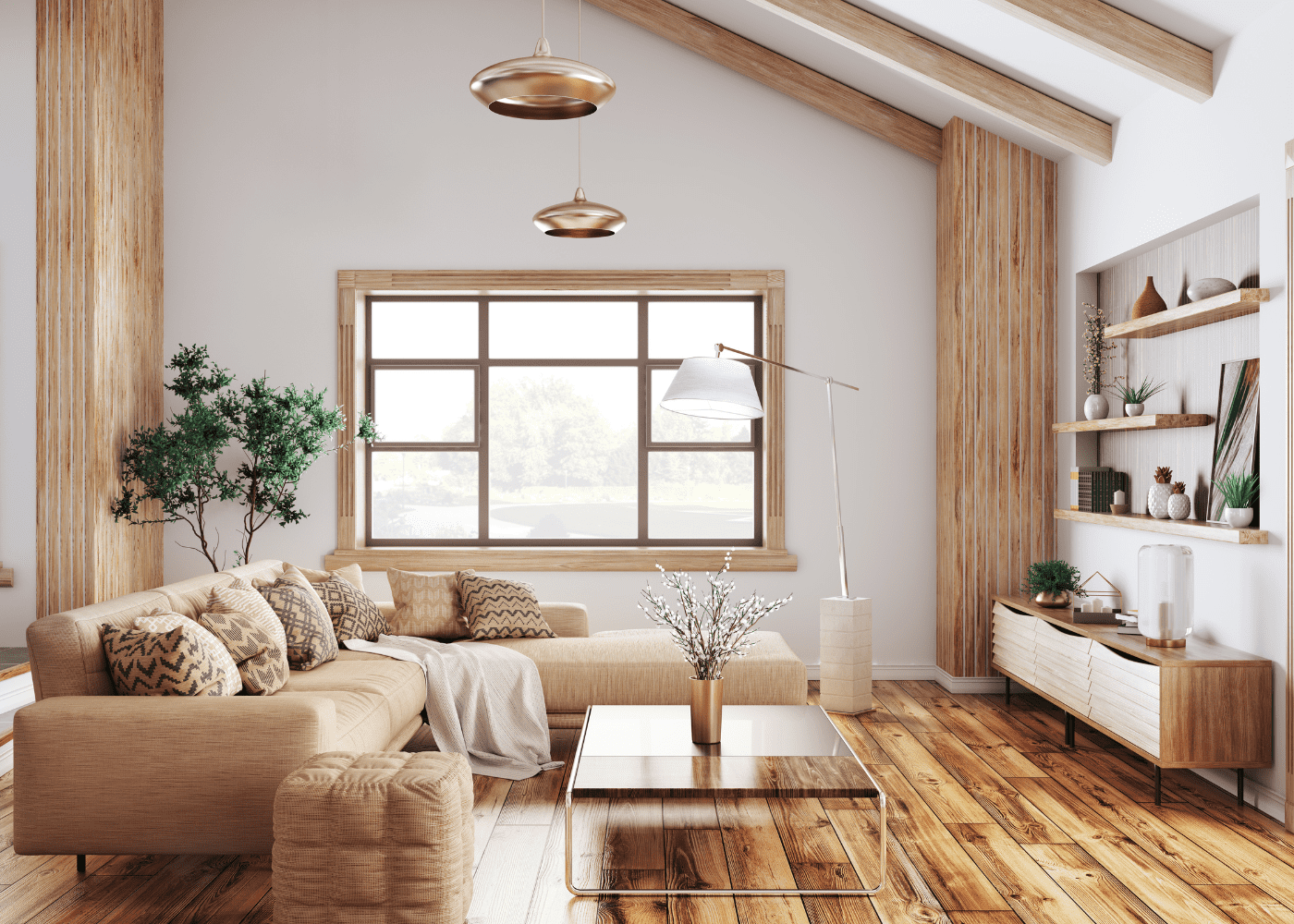
A living room that actually works for your family is worth the effort it takes to get there. When the space is calm and organized, it’s easier to relax, easier to find things, and honestly just more pleasant to be in. The good news is that you don’t need a big budget or a complete renovation to get there. A few smart decisions about storage and habit can make a real difference.
If you’re working on home organization ideas across multiple rooms, the living room is a great place to start. It’s the room most people see first, and it tends to collect clutter from every other part of the house.
Why an organized living room matters
The living room is where your family lands at the end of the day. It’s where kids play, adults unwind, and guests spend time. When it’s cluttered, the whole house can feel harder to manage. Things go missing. The space feels smaller than it is. Getting it organized isn’t just about looks. It’s about making daily life a little smoother.
The goal isn’t a showroom. It’s a space that works for real people, stays manageable with regular upkeep, and doesn’t require a full reset every time company comes over.
Start with a declutter
Before you buy a single storage bin, go through what you actually have. Old magazines, broken items, things that drifted in from other rooms and never left. Be honest about what you use and what you don’t. The less you have to store, the easier the whole room becomes to manage.
A good rule of thumb is to do a quick pass every season. Pull out anything that doesn’t belong, toss what’s worn out, and return things to where they actually live. This keeps clutter from quietly building back up over time.
Living room organization tips
Use furniture that does double duty
Multi-functional furniture is one of the best investments you can make in a living room. A coffee table with drawers gives you a place to tuck away remote controls and charging cables. A storage ottoman can hold extra blankets or throw pillows. A side table with a lower shelf keeps things accessible without looking messy.
When you’re shopping for new pieces, storage capacity is worth factoring in right alongside style and price. A sofa with a built-in storage compartment, for example, quietly handles a lot of overflow without adding any extra furniture to the room.
Add a catch-all bin
Every living room ends up with a small collection of things that don’t have a permanent home. A decorative basket or bin placed in a corner or beside the sofa handles this well. Remote controls, lip balm, hair ties, a charging cable or two. Having one designated spot for these odds and ends means they stop spreading across every surface.
If you have kids, this becomes even more useful. One bin per person, or one general family bin, keeps things contained. You can find matching sets that keep the look cohesive even when the bin is full.
Use built-in shelving and wall shelves
Built-in shelving makes great use of vertical space without eating into your floor area. If your home already has built-ins, use them intentionally. Group books together, keep decorative items sparse, and use baskets or boxes on lower shelves to hide things that don’t look tidy on their own.
If you don’t have built-ins, floating wall shelves work just as well. They’re affordable, easy to install, and can be styled to look like intentional decor rather than storage. A set of shelves above a console table or along a blank wall can hold a lot without making the room feel crowded. For more ideas, take a look at these wall storage ideas.
Invest in storage containers
Bins, boxes, and baskets are simple tools that go a long way. They work under coffee tables, on shelves, inside cabinets, and in corners. The key is choosing containers that fit the space and suit the items going inside them. A large woven basket handles blankets well. Smaller lidded bins work for art supplies or kids’ toys.
Keeping containers consistent in color or material makes a room feel more pulled together even when storage is visible. You don’t need everything to match exactly, but a general direction helps.
Consider a room divider for extra storage
In a smaller living room, a bookshelf used as a room divider serves two purposes at once. It creates a visual boundary within an open layout and provides storage on both sides. This works especially well in spaces where the living room connects to a dining area or an entryway.
Living room storage ideas
Choose a coffee table with storage
The coffee table sits at the center of most living rooms and often doubles as a catch-all surface. Choosing one with built-in storage makes it a much harder worker. Lift-top tables are great for smaller spaces because they offer hidden storage while also giving you a raised surface for eating or working. Ottoman coffee tables are another option worth considering, especially if you need flexible seating. Many come with a hollow interior that fits a surprising amount of stuff.
Wood coffee tables with drawers or lower shelves offer the same practical benefit with a more classic look. Glass tables are beautiful but they show every fingerprint and offer very little storage, which makes them less practical for a busy family room.
Add a storage unit or media console
A well-chosen storage unit can anchor a room while handling a lot of clutter behind closed doors. Look for one with a mix of open and closed storage. Open shelves give you space for things you want to display. Closed cabinets hide everything else. Measure your space before you shop, and pay attention to height. A low, wide unit feels different from a tall, narrow one, and each works better in certain rooms.
Use decorative bins on shelves
Open shelving looks great when it’s styled well, but it can also collect clutter fast. Decorative bins or fabric storage boxes on shelves give you the best of both. The shelf looks intentional, and you still have easy access to what’s inside. These are especially handy for kids’ items in a shared family space. Toys, books, and craft supplies can all disappear into a bin that looks perfectly at home on a shelf.
If you’re also working on tidying up other areas, these same principles apply across the house. The playroom storage ideas on this site use a lot of the same logic.
More ways to maximize space
Once you’ve addressed the big pieces, a few smaller habits keep everything in check. An oversized basket beside the sofa handles extra throw blankets without taking up a closet. A small tray on the coffee table corrals remotes, glasses, and small items that would otherwise scatter. A hooks-and-basket system near the living room entry keeps bags and jackets from landing on the couch.
Cable management is one thing that gets overlooked but makes a noticeable difference. A small cord organizer or even some simple velcro ties can take a messy tangle of wires behind the TV and make it look intentional.
If your living room connects to a kitchen or dining area, think about how items flow between the spaces. Sometimes clutter in the living room is really a kitchen overflow problem. Addressing both together, with ideas like these small kitchen storage ideas, can make a bigger impact than tackling one room alone.
For the overall space to feel organized, every item needs a place. If something doesn’t have a home, it will always end up on the nearest flat surface. That’s not a willpower problem. It’s a systems problem. Build the right systems, and the tidiness takes care of itself most of the time.
Keeping it organized long-term
Getting your living room organized is one thing. Keeping it that way is the real goal. The key is making the tidy version easier to maintain than the cluttered version. If putting something away takes ten seconds, it happens. If it requires hunting for a spot or moving three things first, it doesn’t.
Involve your family in the system. Even young children can put toys in a bin or return books to a shelf when the system is simple and the storage is at their level. You can find some helpful guidance in this post about living room storage ideas that work for the whole household.
A weekly reset, even just ten to fifteen minutes, keeps things from getting out of hand. Walk through the room, return items to where they belong, wipe down surfaces, and fluff the cushions. It sounds small, but it makes the space feel cared for and keeps maintenance from ever turning into a full overhaul.
An organized living room doesn’t have to be perfect. It just has to work for your family, day in and day out. Start with the clutter, add storage where it makes sense, and keep the systems simple. That’s really all it takes.




Leave a Reply