
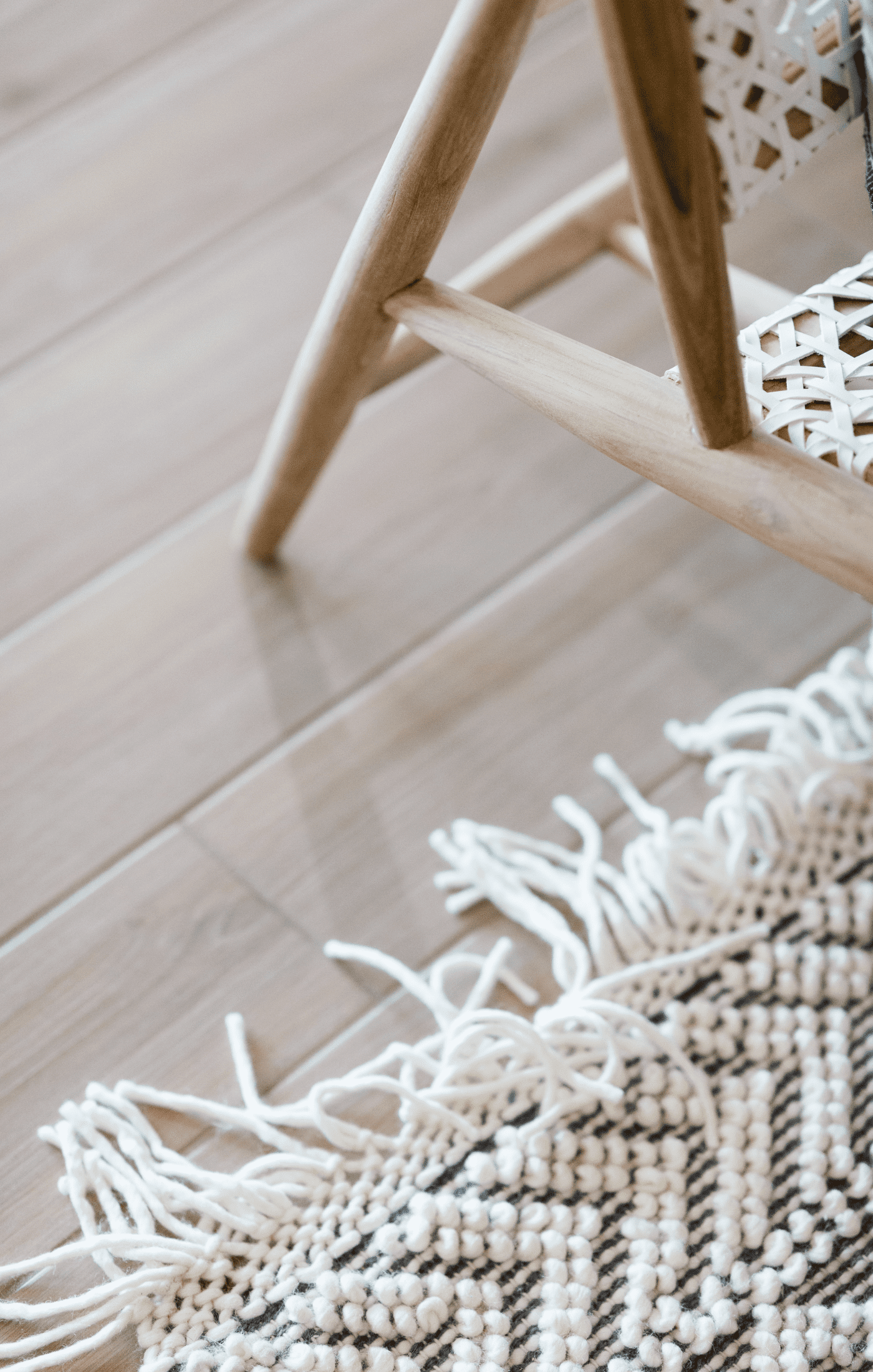
A rug that won’t lie flat is more than just an eyesore. Curled edges and wrinkled centers can catch your foot, snag your vacuum, and make an otherwise tidy room look unkempt. The good news is that most rugs can be coaxed back into shape with a few simple methods. The right approach depends on what your rug is made of and why it started lifting in the first place.
For more helpful cleaning and home guides, visit the house cleaning tips section of the blog.
Why rugs wrinkle and curl
Understanding the cause helps you pick the right fix. Rugs curl or wrinkle for a handful of reasons, and most of them are easy to address once you know what you’re dealing with.
Humidity is one of the most common culprits. Natural fiber rugs absorb moisture from the air, which causes them to expand unevenly. The edges often lift before the center does. Temperature changes can make this worse, especially in rooms that see a lot of fluctuation.
Heavy furniture pressing down on one spot for a long time creates dents and forces the surrounding fibers to buckle. Moving a rug or folding it for storage can leave creases that resist laying flat on their own. If your rug came shipped in a tight roll, that’s likely why the edges are stubbornly curling upward right after unboxing.
Know your rug before you start
Different materials respond differently to heat and moisture. Treating a shaggy wool rug the same way you’d treat a flat-woven cotton rug can cause damage, so it’s worth taking a moment to identify what you have before applying any technique.
Cotton rugs are thin and lightweight. They tend to respond well to steam and damp ironing. Wool rugs are thicker and denser. They also handle steam well, but they need a lower heat setting and more care. Synthetic and polypropylene rugs are machine-made and generally have a medium weight. They can be sensitive to high heat, so keep temperatures low when using any iron or steamer. Shaggy or long-pile rugs need extra attention because the fibers tangle easily. A wide-tooth comb and gentle steaming work better than weight or pressure alone.
How to flatten a rug: general methods
Reverse rolling
This is the simplest place to start, especially for a newly unboxed rug. Roll the rug in the opposite direction from the way it was curling, then secure it loosely with string or a rubber band and leave it for 24 to 48 hours. When you unroll it, the fibers will have relaxed into a much flatter position. This works well on synthetic and cotton rugs.
Using weights
Lay the rug flat on the floor with the curled side facing down. Place heavy, flat objects along the edges and any raised areas. Books, furniture legs, or large cutting boards all work. Leave the weights in place for at least 24 hours. For rugs that have been curled for a long time, 48 to 72 hours gives better results.
Steam ironing
Set your iron to a low steam setting. Hold the iron a few inches above the rug surface and let the steam penetrate the fibers without pressing the iron directly onto the rug. Work slowly across the wrinkled area, moving in the direction of the pile. For stubborn spots, lay a damp cotton cloth over the area first, then apply the iron gently on top of the cloth. The cloth protects the fibers from direct heat while still allowing the moisture and warmth to do their work.
Always test a small, hidden area first. This is especially important with wool or any handmade rug.
Handheld steamer
A handheld garment steamer works well on most rug types. Hold it about two inches above the surface and move it slowly across the wrinkled section. After steaming, press the area flat with your hand or lay a heavy book on top while it dries. This method is particularly good for wool and cotton rugs.
Hairdryer and moisture
Lightly mist the curled or wrinkled area with a spray bottle, then use a hairdryer on a medium heat setting to dry it while pressing the rug flat with your hand or a weight. Keep the dryer moving so the heat doesn’t concentrate in one spot. This is a useful option for small areas or delicate rugs where you want more control than a steam iron provides.
Ice cube method for dents
This one works specifically for small dented areas, often caused by furniture legs. Place an ice cube directly on the dent and let it melt completely. Once the area has dried, use your fingers or a soft brush to fluff the fibers back up. The slow release of moisture as the ice melts helps the compressed fibers swell back to their original height.
Specific tips by rug type
Cotton rugs
Start by laying the rug flat and placing weights along any curled edges. If that isn’t enough, use a damp cloth and a low-heat iron to work out the wrinkles. Cotton handles moisture well, so you can be a little more liberal with steam than you would be with wool.
Wool rugs
Wool is resilient but does not like high heat. Use a low steam setting and always keep the iron or steamer moving. Place weights along the edges after steaming and leave them overnight. For handmade or antique wool rugs, the damp cloth method is safer than direct steam.
Synthetic and polypropylene rugs
Reverse rolling is usually the first and best step for synthetic rugs. If the rug is still lifting after a day or two, use weights along the edges. Apply steam sparingly and on a low setting. Synthetic fibers can distort with too much heat.
Shaggy and long-pile rugs
Use a wide-tooth comb to gently work out any tangles before you do anything else. Then try reverse rolling for a couple of days. If the rug is still uneven, light steaming in the direction of the pile can help. Avoid pressing down hard on the fibers, as that can flatten the pile permanently.
How to keep rugs flat going forward
A good rug pad is the single most effective prevention tool. It grips both the floor and the underside of the rug, which stops the rug from sliding and bunching. Rug pads also add a small amount of cushioning that helps the rug stay even over time. Choose a pad that is slightly smaller than your rug so it stays hidden beneath the edges.
When storing a rug, roll it rather than fold it. Folding creates hard creases that are very difficult to remove later. Store it in a cool, dry place with good airflow. Avoid stacking heavy items on top of a stored rug.
Try not to leave heavy furniture sitting directly on a rug for months at a time. Furniture coasters spread the weight more evenly and reduce the chance of permanent dents. If you do rearrange and find dents, the ice cube method described above works well to bring the fibers back up.
For tips on keeping the rest of your home tidy and organized, the household organization section has a lot of practical ideas. If you’re also dealing with rugs in a child’s space, playroom storage ideas covers how to set up a room that stays functional and manageable day to day.
Frequently asked questions
How long should I leave weights on a rug?
At least 24 hours for a mild curl, and up to 72 hours for a rug that has been rolled or folded for a long time. The longer you leave the weights in place, the more the fibers have a chance to fully relax.
Is it safe to use a steam iron on a wool rug?
Yes, with care. Use the lowest steam setting your iron offers, keep the iron moving, and never press it directly onto the wool fibers. Laying a damp cotton cloth over the area first adds a layer of protection.
Will a rug pad actually stop curling?
A rug pad won’t fix an existing curl, but it does a good job of preventing new ones. It holds the rug in place so it can’t shift and bunch, which is a common cause of edge curl over time.
Can I use a hairdryer instead of a steam iron?
Yes. Lightly dampen the area first, then dry it with a hairdryer on medium heat while pressing the rug flat. Keep the dryer moving and don’t hold it in one spot. This is a good option for smaller areas or when you want more control over the heat.
For more home care guides, take a look at posts like how to clean a sheepskin rug, how to get coconut oil out of clothes, and the full home organization ideas collection.




Leave a Reply