
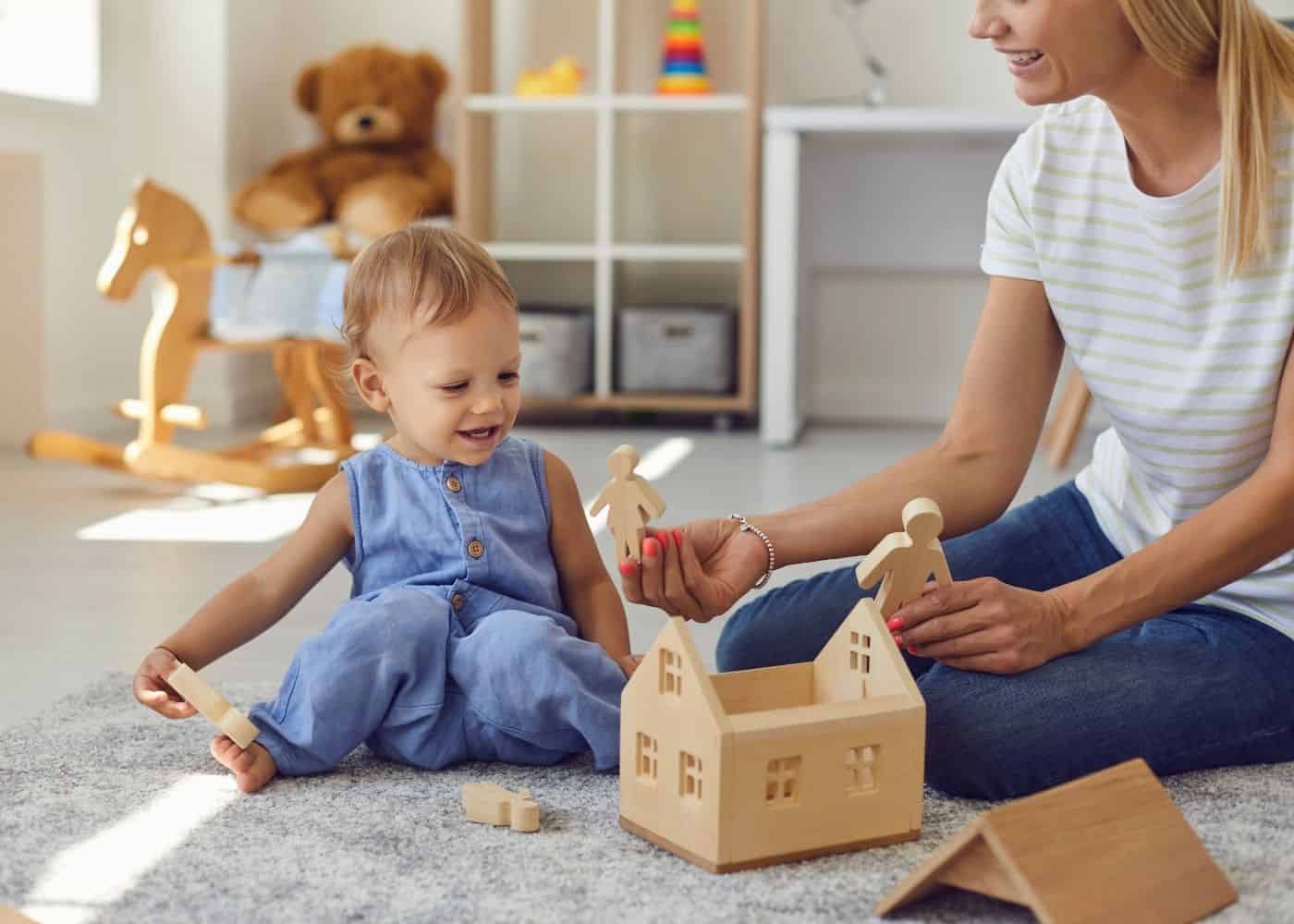
Working with toddlers is one of the most rewarding things you can do. They are curious, energetic, and constantly surprising. But caring for children between 12 and 36 months takes real skill. After years of nannying, I’ve collected a solid set of strategies that make the day go smoother for everyone, including the kids.
Whether you are just starting out or looking to sharpen your approach, these tips cover the practical side of toddler care. From managing big emotions to building routines, here is what I wish someone had told me on day one.
Know the basics before you start
Toddlers are in one of the fastest-moving stages of development. They are building physical coordination, testing boundaries, learning language, and figuring out how emotions work, all at the same time. That energy is exciting, but it also means caregivers need to stay sharp and prepared. Before you begin with any new family, there are a few things worth getting right.
1. Know your limits
If caring for very young children makes you uncomfortable, that is worth paying attention to. It is better to work with older children while you build your confidence. If you are willing to give it a try but feel uncertain, talk honestly with the family before committing. A trial shift, where you care for the child for a few hours before agreeing to a full schedule, is a reasonable way to see how it goes for everyone.
2. Ask the right questions before day one
Every family runs differently. Before your first shift, ask about the child’s daily routine, food preferences, allergies, nap schedule, and any specific care needs. This information shapes your whole day. Knowing it in advance means fewer surprises and a much smoother experience for the child.
Allergies deserve special attention. I once cared for a child who had a contact allergy reaction at the park. Because I already had the parents’ contact information and knew the emergency plan, she was fine. Always know who to call, where the first aid kit is, and what to do if a reaction happens.
Ask the parents how they handle discipline, too. Find out what counts as unacceptable behavior in their home, whether they use time-outs or prefer other approaches, and how they want you to respond to aggressive behavior. Toddlers will test limits. Having a consistent approach that mirrors what the parents do at home makes it much easier for the child to understand expectations.
If the family is in the middle of potty training, you will want to support that. For children still in diapers, a small noisy toy during changes can help distract wiggly babies who resist lying still. For more on this stage, these potty training books for parents cover the process well.
3. Get trained
A basic first aid course is one of the best investments you can make as a caregiver. Look into what is available in your area. The Red Cross offers a babysitting training program that covers emergency response, child safety, and basic care skills. A food safety course is also worth taking if you plan to prepare meals.
4. Keep emergency contacts close
Always have the parents’ contact numbers, a backup emergency contact, and the child’s doctor’s information on hand. If there is a playdate scheduled during your shift, get the contact details for the other family as well. Keep these numbers in your phone and posted somewhere visible in the home.
Day-to-day nanny tips for toddlers
Once the groundwork is in place, the real work begins. These are the habits and strategies that make a meaningful difference during the day.
5. Communicate openly with parents
At the end of each shift, take a few minutes to share how the day went. Let the parents know whether the child napped, ate well, had any incidents, or hit any milestones. Some parents will want a midday check-in by text. Keep your phone charged and be responsive. Good communication builds trust quickly.
6. Stay calm when accidents happen
Toddlers fall. They bump into things. They misjudge steps and tumble off low surfaces. You cannot prevent every minor injury, but you can handle them calmly. Children watch your reaction closely. If you stay relaxed, they are much more likely to shake it off. My usual response to a small tumble is a calm “Nice fall! Are you okay?” That light tone often stops tears before they start.
7. Check diapers often
Do not wait for a child to tell you they need a change. Check regularly, and watch for signs like sagging, bulging, or odor. For children who are recently potty trained, prompt them before leaving the house, before naps, and after meals or large drinks. Kids get absorbed in play and often miss their own body’s signals. Watch for leg crossing, the classic “pee-pee dance,” or pulling at clothing. These are reliable cues that it is time to head to the bathroom.
8. Redirect instead of refusing
The word “no” tends to land hard with toddlers and can trigger a meltdown fast. Instead of a flat refusal, redirect the behavior. If a child is throwing toys inside, try something like, “We keep toys low in here. Want to go outside and throw a ball?” You get the same outcome without the confrontation.
When a child does something that needs to be addressed, validate how they are feeling before addressing the behavior. If a toddler hits another child after having a toy taken, saying “I know you’re upset, but we use our words, not our hands” works much better than a sharp “no hitting.” Naming their feelings first shows them you understand, and that makes them more willing to listen.
9. Never step away from a toddler
Toddlers move fast and get into things even faster. They are learning what their bodies can do, which means they regularly overestimate what is safe. Keep eyes on them at all times. Many minor accidents happen in the few seconds a caregiver looks away. Consistent supervision is the single most important safety habit you can build. For more on keeping toddlers safe and engaged, the toddler care section of this site has useful guidance.
10. Give choices whenever you can
Toddlers push back when they feel controlled. Giving them small choices throughout the day reduces that friction significantly. Ask whether they want the green shirt or the blue one. Ask whether they want to brush teeth first or put on shoes first. Both options work for you, but the child feels like they have a say. That sense of control makes cooperation much more likely.
11. Respect the home
The family’s home is your workplace. Tidy up as you go, clean up any messes from activities, and use downtime to help with simple household tasks. Ask the parents what they expect and what would be most helpful. Leaving the home in better shape than you found it shows respect for the family and makes their evening easier.
12. Let toddlers do things for themselves
Toddlers are working hard to become independent. They want to put on their own shoes, pour their own water, and help with small tasks. Let them try. Resist jumping in too quickly. If a child gets frustrated and says they can’t do something, my response is usually, “You can’t yet. Keep trying.” When they succeed, celebrate it genuinely. That encouragement builds real confidence. A Montessori-inspired approach can offer helpful ideas for structuring the environment to support this kind of independence.
13. Build in extra time
Getting a toddler ready to leave the house takes longer than you expect. Walking to the park takes longer than you expect. Everything takes longer. Build extra time into your schedule so neither of you feels rushed. A calm pace makes for a calmer child, and a calmer child makes for a much better day.
14. Plan activities in advance
Showing up with a plan makes a big difference. Toddlers have short attention spans, and any gap between activities can lead to meltdowns or wandering into trouble. Prepare a few age-appropriate options before your shift starts. Tasks that are too simple will bore them quickly. Tasks that are too hard lead to frustration. Aim for activities that stretch their skills just a little. Daily outdoor time is valuable for any age. It gives them space to move, explore, and use up energy. For ideas, this list of toddler activities is a good place to start.
I generally avoid screen time during shifts. You are there to engage and care for the child, and there are better ways to do that. The one exception I make is short educational videos that supplement something we have already talked about or learned together.
15. Stick to the routine
Toddlers do better when the day is predictable. Follow the family’s schedule as closely as you can. If you have input on structuring the day, build in consistent times for meals, outdoor play, rest, and wind-down activities. A flexible but reliable routine helps children feel safe. A sample toddler schedule can help if you are building one from scratch.
16. Keep snacks and water on hand
Toddlers eat smaller amounts more often than adults do. Always have a snack available, especially if you are heading out. Hunger hits fast and makes everything harder. Pack something nutritious that gives them steady energy rather than a quick spike. Water is just as important. Most toddlers will not ask for it themselves, so offer it regularly throughout the day rather than waiting for them to request it.
17. Offer comfort first
Toddlers feel things intensely and do not yet have the words to explain those feelings. That gap between what they feel and what they can say is often where meltdowns come from. When a child is upset, offer physical comfort first. Open arms, a calm voice, and time to settle go a long way. Once they feel safe, then you can talk through what happened.
If a child is really wound up, try singing quietly or rocking them. Humor works well too. It is hard to cry when something makes you laugh.
18. Be ready to get messy
Toddlers learn through play. Hands-on activities, sensory experiences, and time outside are genuinely good for their development. Come prepared to jump in puddles, work with paint, dig in the dirt, or make a craft that uses every color at once. These moments are often the highlight of the day for them, and honestly, for me too. Simple science activities and easy crafts for kids are great places to find ideas that are both fun and genuinely engaging.
A final thought
Good nannying comes down to preparation, patience, and genuine care. Toddlers are perceptive. They know when an adult is present and engaged, and they respond to that. Show up prepared, communicate well with the family, and give the child the space to grow while keeping them safe. That combination makes all the difference.




Leave a Reply