
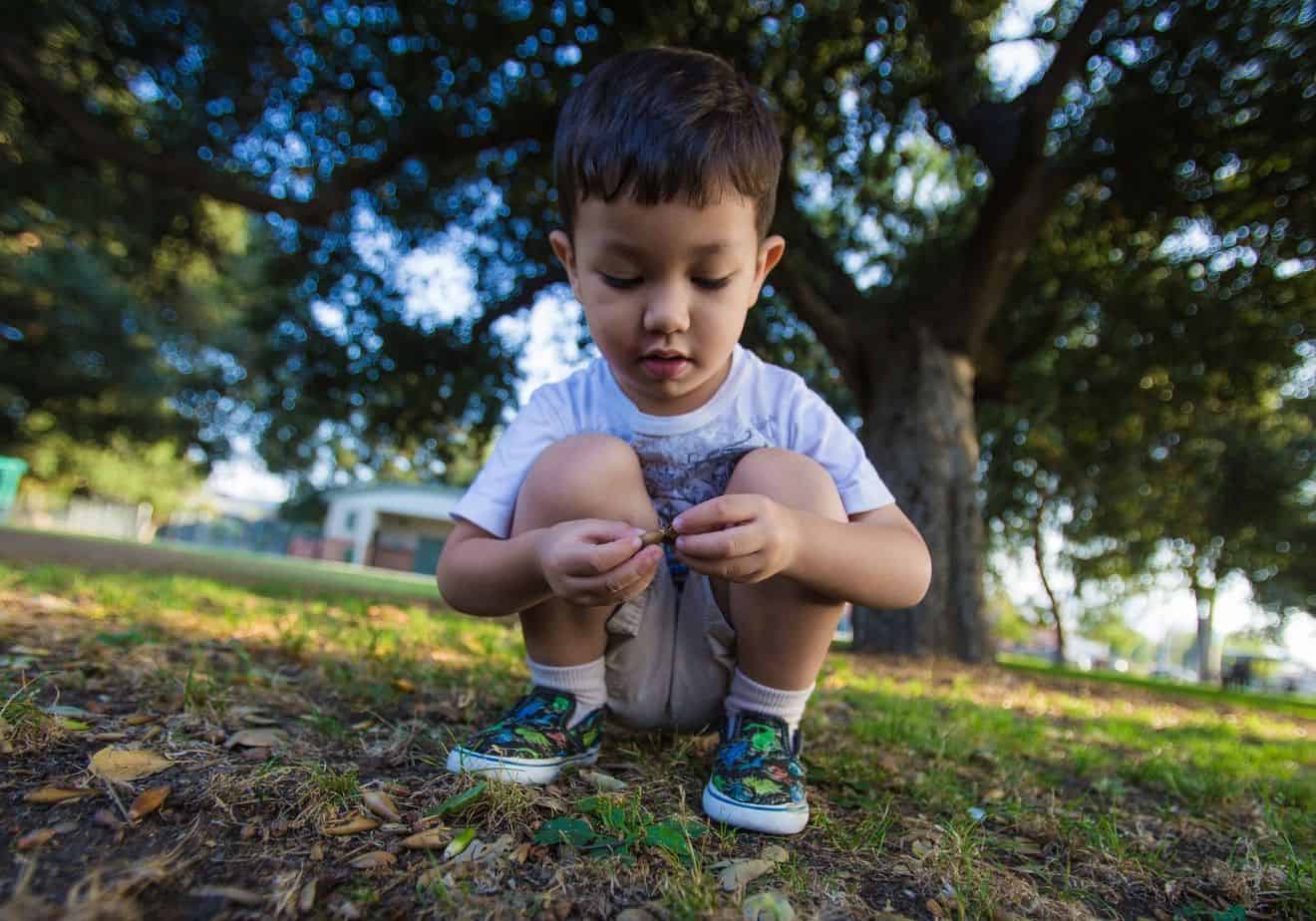
Summer with a toddler doesn’t have to mean endless screen time or a restless child asking what’s next. Some of the best summer days are built around simple activities that cost almost nothing and keep kids genuinely engaged. The ideas below are easy to pull together with things you likely already have at home, and most of them sneak in a little learning without making it feel like school.
These activities work best as a starting point. Once you get going, kids often take things in their own direction, and that’s where the real fun tends to happen.
Sponge water toys
On a hot afternoon, few things work better than water play. Sponge water toys are a simple and reusable alternative to water balloons. They’re softer, they don’t leave plastic bits in the grass, and they aren’t a choking hazard the way rubber balloons can be for small children.
To make them, cut a few sponges into strips, stack them together in a bundle of nine or ten pieces, and wrap an elastic band tightly around the middle. Fluff out the pieces so they fan out in all directions. That’s it.
Once you have a few made, there are plenty of ways to use them. For a relay game, set up two buckets and have kids soak the sponge in one, then race to squeeze it out into the other. Whoever fills their bucket fastest wins. For target practice, draw or tape a bullseye onto a fence or piece of cardboard and see who can hit the center. Younger children can stand close, older ones can step farther back. For a simple passing game, have kids toss a soaked sponge back and forth, taking one step back with each successful catch. The pair still catching from the farthest distance wins.
These toys hold up well for an entire summer, which makes the few minutes it takes to make them completely worth it.
Indoor picnic
When it’s genuinely too hot to go outside, an indoor picnic is a practical and enjoyable alternative. Spread a blanket on the living room floor, let your child help put the meal together, and treat it like a real outing. Kids respond well when they’re given some control over the plan, so ask them where they want to set up or what they want to bring.
Involving toddlers in food prep builds fine motor skills and encourages them to try foods they helped make. Keep the food simple and easy to handle.
A rainbow lunch works well because it turns eating vegetables and fruit into a game. Challenge your child to find one food for every color of the rainbow from what’s already in the fridge. Wrap-style roll-ups are another easy option. Use a large tortilla, spread on some cream cheese, and add whatever vegetables or deli items you have on hand. Cut them into small rounds for easy toddler eating.
Fruit kabobs are a favorite for this kind of meal. Let your child use cookie cutters to cut softer fruits like melon or pineapple into shapes, then thread them onto skewers. For younger children, use blunt skewers or skip them entirely and serve the fruit in a bowl. A simple yogurt dip made from plain Greek yogurt, a spoonful of cocoa powder, a little honey, and a dash of vanilla rounds out the snack nicely.
Always make sure water is part of the spread. Warm weather increases how quickly toddlers get dehydrated, and it’s easy for them to forget to drink when they’re busy playing.
Open-ended craft time
Structured crafts have their place, but some of the best results come from simply putting out supplies and asking your child what they want to make. This approach works especially well for older toddlers who have enough language to express an idea and enough motor skill to start working toward it.
Pull out your craft bin and let them sort through what’s there. Toilet paper rolls, scraps of fabric, stickers, paint, and bits of ribbon are all useful starting materials. The goal is to see what they come up with on their own rather than following a template.
If your child finds too many open-ended choices overwhelming, give them a starting point. Hand them a toilet paper roll or a paper plate and ask what they think it could become. You can also offer two specific options at a time, such as “do you want to paint this or glue things onto it?” That keeps things manageable without removing their sense of ownership over the project.
Watch for signs of frustration or restlessness. If the energy is dropping, it’s fine to wrap up and move on. Not every craft session needs to produce a finished product. The process matters more than the outcome at this age. You can find more easy crafts for kids if you need more inspiration to get started.
Homemade playdough
Playdough is one of the most versatile toddler activities there is, and making it at home is straightforward and inexpensive. The basic recipe uses pantry staples like flour, salt, cream of tartar, water, and oil, and comes together in about ten minutes on the stovetop.
Making the dough is part of the activity. Let your child measure out ingredients, stir the mixture, and knead the finished dough once it has cooled. Each of those steps builds fine motor strength and teaches basic cooking concepts at the same time.
Once the dough is made, let your child choose the colors. If you’re making several batches or portions, this is a natural opportunity to talk about color mixing. What happens when you combine blue and yellow? What about red and white? It turns a simple craft into a small science moment without any extra setup.
Homemade playdough typically lasts several weeks when stored in an airtight container, so it’s a good activity to do early in the summer and return to throughout the season.
Scavenger hunts and obstacle courses
Both of these activities are easy to adapt based on your child’s age and the space you have available. They work indoors and outdoors, and neither requires any special materials.
Sound safari
This is one of the most low-prep options on this list. Give your child a sheet of paper with simple pictures or stickers representing different sounds, and head outside to find them. Birds, wind in trees, dogs barking, cars passing, and insects buzzing are all good targets. Check off or mark each one as you hear it. This activity builds listening skills and encourages children to pay attention to their environment in a focused way. It pairs well with a five senses nature walk if you want to expand on the concept.
Indoor scavenger hunt
Print a free scavenger hunt list from online, or make your own based on things in your home. Common household items work well for younger toddlers. For older children, you can add riddles or clues that lead from one item to the next. Let the child help write or draw the list if they’re old enough, which adds another layer of engagement before the hunt even starts.
Seasonal nature hunt
Take a small bucket or bag outside and see how many natural objects your child can collect, things like leaves, stones, seed pods, or flower petals. Back inside, you can glue the collected items onto paper, label what each one is, and write the date on the back. Doing this each season creates a simple record of how the yard changes throughout the year. Toddlers find it genuinely interesting to look back at what they found months earlier.
Indoor obstacle course
Gather pillows, cushions, hula hoops, tape lines on the floor, and anything else you can safely arrange into a course. The setup itself can involve the kids. Have them help build it and then run through it. You can change the challenges each time, adding a balance beam made from a strip of tape, a crawling tunnel made from chairs and a blanket, or a jumping section made from couch cushions. Outdoor physical education ideas can also give you a starting point for moving some of this activity outside when the weather allows.
Making the most of summer
The activities above don’t require a lot of money, advance planning, or special equipment. Most of them can be adjusted up or down depending on how much energy you have on a given day, and all of them give toddlers a chance to play, move, and learn at the same time.
If you’re looking for more ideas to fill the season, the activities for toddlers section of this site has plenty of options to browse. And on the days when the heat or the rain keeps you inside, rainy day activities for toddlers is a good place to look for backup plans that don’t rely on a screen.




Leave a Reply