
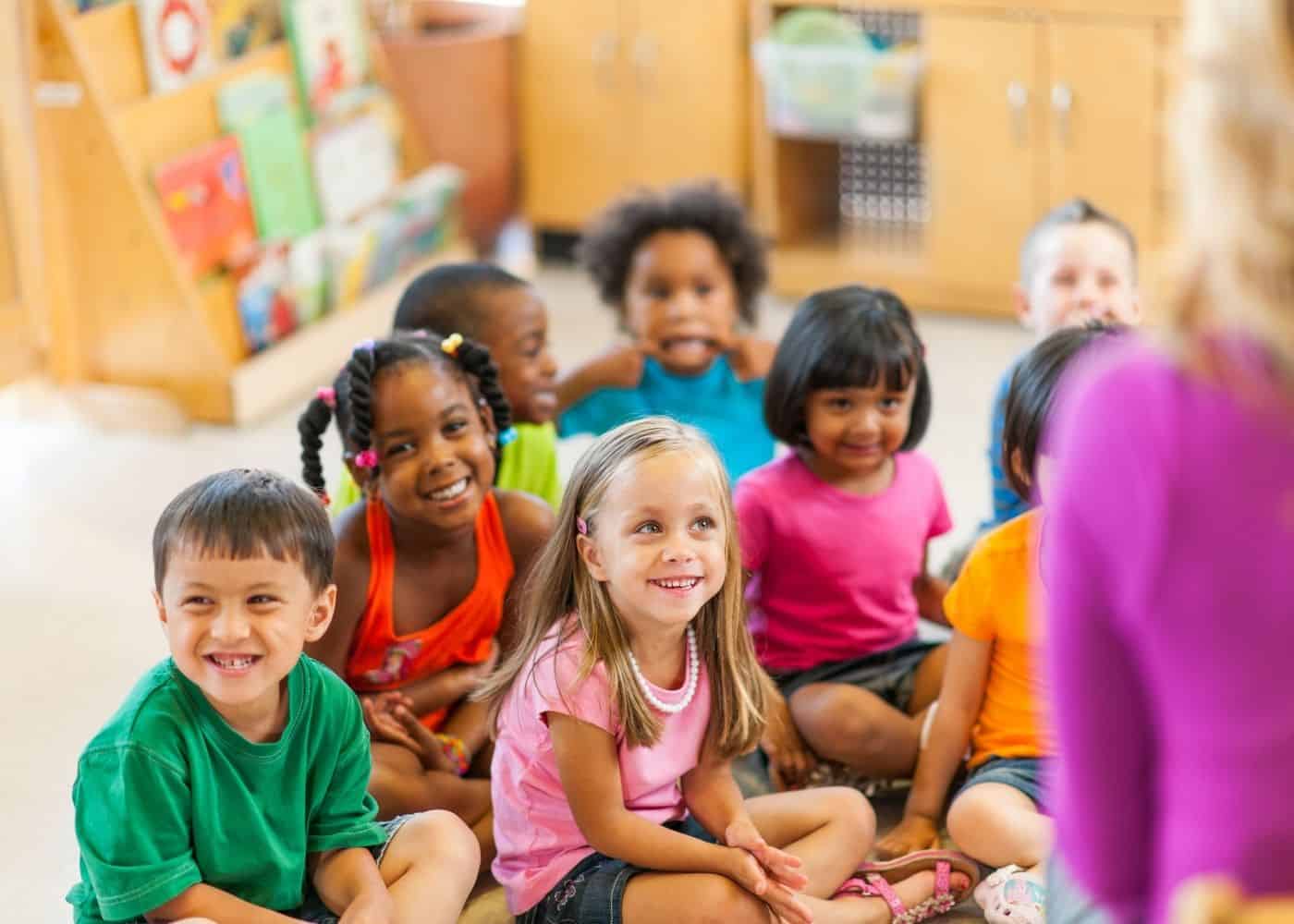
Deciding whether to send your child to preschool is one of those choices that can feel surprisingly big. There are costs to weigh, schedules to figure out, and a fair amount of conflicting advice out there. But the research on early childhood education is pretty consistent: quality preschool programs offer real, lasting benefits for most children. This post breaks down what those benefits actually look like, and what to think about if preschool isn’t an option right now.
What if preschool isn’t affordable or available?
Preschool can be expensive, and not every family has access to a program that works for them. That’s worth saying plainly before anything else. If traditional preschool isn’t in the cards, many community centers offer structured drop-in programs for young children that cover similar ground. Library story times, parent-and-child play groups, and community recreation programs can all provide meaningful early learning experiences. Look at what your area offers and think about what might be a good fit for your child’s age and interests.
If you are planning to enroll in a formal preschool program, one practical tip: sign up well before you need to. Many programs have waitlists that stretch six months to a year out. Since most preschool programs accept children between ages three and five, it makes sense to start looking around your child’s second birthday. Call local programs directly, because waitlist times vary quite a bit from one place to another.
It’s also worth touring any program you’re seriously considering before you commit. Visiting in person gives you a real sense of the environment, the staff, and whether it feels like a good match for your child. If you’re not sure what to look for, we put together a guide with 15 questions to ask when choosing a preschool that can help you make the most of that visit.
Why preschool matters: 7 real benefits
Quality matters more than cost when it comes to early childhood programs. A high-quality preschool doesn’t have to be the most expensive one. What you’re really looking for is a well-trained staff, a thoughtful program, and a setting where your child feels comfortable and engaged. With that in mind, here are seven reasons why preschool is worth considering for most families.
A strong foundation in essential skills
Preschool teachers are trained in early childhood education and deliver instruction that is appropriate for where children actually are developmentally. Through a structured curriculum, children build foundational academic skills alongside social and school-readiness skills. They also develop fine and gross motor skills, which form the base for so much of what comes later. This kind of intentional, age-appropriate instruction is hard to replicate casually at home, even with the best intentions.
If you want to see what skills children are typically expected to have before starting kindergarten, our kindergarten readiness checklist is a helpful reference point.
Social skills and emotional learning
Learning to share, take turns, listen to a teacher, and manage frustration are not small things. They are genuinely difficult skills, and preschool gives children structured time to practice them with peers. Self-regulation, in particular, is a key part of early childhood development. Children who have had regular practice managing their emotions and interacting with other kids tend to find the transition to kindergarten much smoother. The longer school days and larger social demands of elementary school are easier to handle when a child has already built some of those skills.
Building a love of learning
Children who have positive early experiences with learning are more likely to stay engaged in school as they get older. Preschool introduces basic concepts in math, science, and literacy in ways that feel fun and accessible rather than pressured. Curiosity gets encouraged rather than managed. That early association between learning and something enjoyable can carry forward in meaningful ways through the elementary years and beyond.
Play-based learning
Young children learn through play. This isn’t just a nice idea. It reflects how their brains actually work at this stage. Good preschool programs are built around this understanding. Children move between structured activities and free-play centers throughout the day, which keeps them engaged while still delivering real learning. Sensory bins, dramatic play areas, building materials, and art activities are all forms of education, even when they don’t look like traditional schoolwork. This approach respects where children actually are developmentally, rather than pushing them toward a model that doesn’t fit their age.
For more on this approach to early childhood, our pages on Montessori playroom ideas and Montessori toys are worth a look.
Academic development
Kindergarten covers a lot of ground quickly. Children are learning academic content and social norms at the same time, in a new environment, with a new teacher, often for a much longer day than they’re used to. Having some familiarity with concepts like shapes, colors, numbers, letters, and early literacy before they arrive makes that transition genuinely easier. It reduces the cognitive load so children can focus on getting comfortable rather than catching up. Their preschool teacher, typically a trained Early Childhood Educator, has the background to introduce these concepts in a developmentally appropriate way.
If you want to get a sense of what math concepts are typically introduced in preschool, our guide to preschool math concepts is a good starting point.
Getting used to a routine
Structure is something children need time to adjust to. Preschool introduces children to what a school day looks like, including circle time, group work, scheduled snack and lunch times, and transitions between activities. This kind of routine exposure makes starting kindergarten feel less like a shock and more like familiar territory. It also helps families adjust to separation. Preschool days are shorter than kindergarten days, which gives both parents and children a gentler introduction to the experience of being apart for several hours at a time.
Responsibility and self-help skills
Many preschool classrooms assign simple class jobs, like holding the door, helping set up supplies, or tidying up after snack. These small responsibilities give children a sense of ownership over their environment. Alongside these group tasks, children also practice personal self-help skills: getting dressed to go outside, washing hands before eating, cleaning up their own space, and putting their work away. These may seem like minor things, but they build independence and confidence that carries into every area of a child’s life.
A note on finding the right fit
Not every preschool will be the right fit for every child or every family. Some centers also offer childcare for younger siblings in a separate space, which can simplify the logistics if you have children at different ages. The most important thing is that the program feels right when you walk in the door. Talk to the staff. Watch how they interact with children. Ask about their approach to learning and discipline. A good preschool program is one where your child feels safe, seen, and genuinely engaged.
Early childhood is a formative time, and the experiences children have during these years do shape how they approach learning later on. Preschool isn’t the only way to give children a strong start, but for many families, it offers a consistent, structured environment that’s genuinely hard to replicate elsewhere. If you’re still weighing the decision, reaching out to a few local programs to talk through your options is a low-pressure first step.




Leave a Reply