
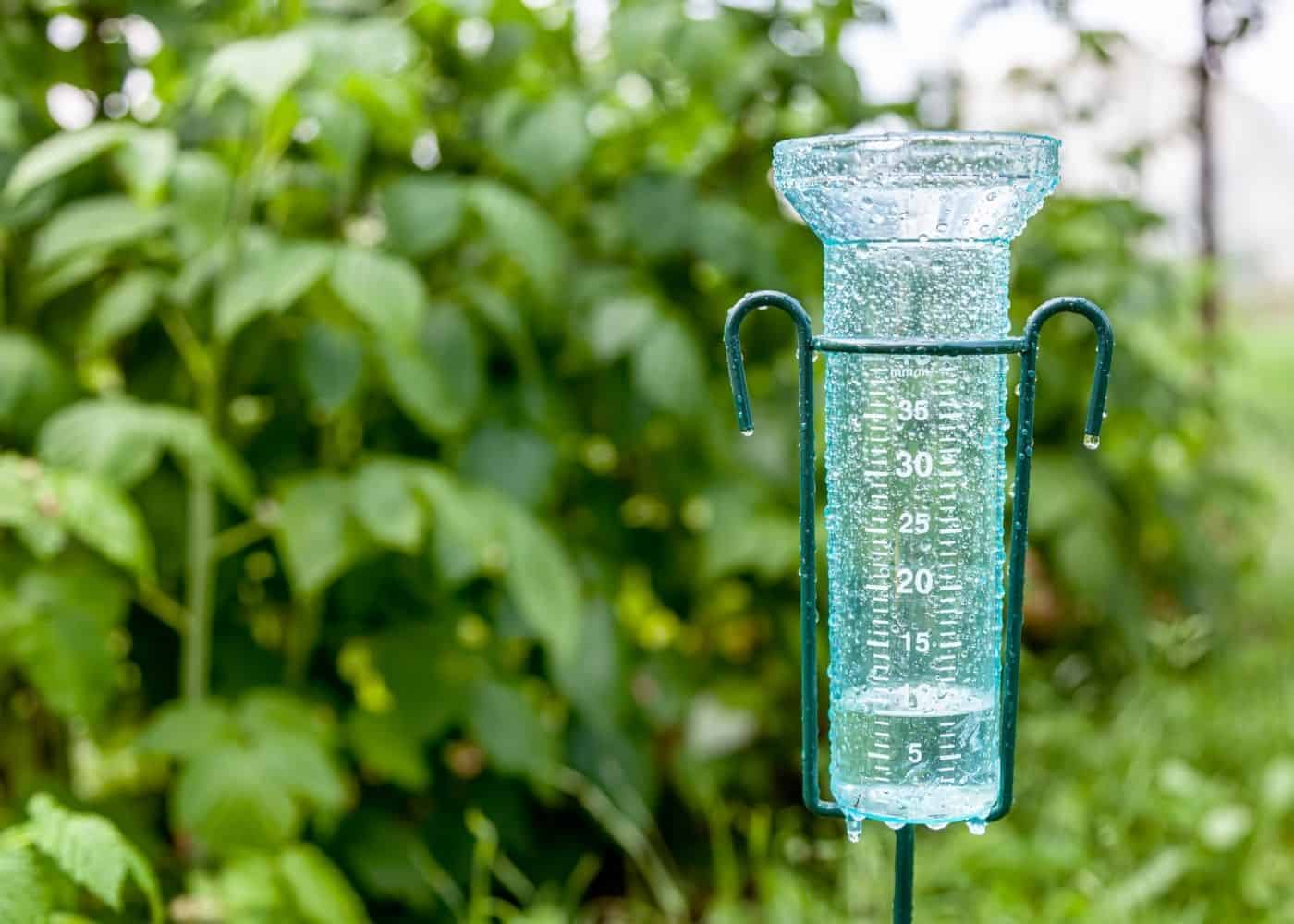
Spring brings a shift in the weather, and kids tend to notice. Rain becomes a regular part of the day, and that curiosity about where it comes from and how much falls is a perfect opening for a simple hands-on activity. This DIY rain gauge project is one of my favorites for this time of year. It combines basic craft skills with real science, and the finished product actually works.
This activity works well for preschool and early elementary ages. It introduces measurement, number recognition, and basic weather science in a way that feels natural and low-pressure. You do not need special supplies. Most of what you need is already at home.
What is a rain gauge?
A rain gauge is a tool used to measure how much rain falls in a specific area over a set period of time. Meteorologists use them to track weather patterns. Farmers use them to manage irrigation. And kids can use a homemade version to start understanding how weather is measured and recorded.
Making your own gives children a front-row view of real science. When rain is in the forecast, you can share the weather report with your child and then check your own gauge to see how close the prediction was for your yard or neighborhood. That comparison alone sparks good questions. Science for kids does not have to be complicated to be meaningful.
What you need
The materials list is short. You need one empty plastic bottle, a permanent marker, an Exacto knife (for adult use only), a ruler, and a level surface to place the bottle outside. Optional extras include waterproof paint or stickers for decorating the outside of the bottle. If your child wants to spend more time on the craft side of this project, decorating the bottle before it goes outside is a great way to extend the activity.
How to make the rain gauge
Start by cutting the top off the plastic bottle, about two to three inches down from the opening. An adult should handle this step. Keep both pieces because you will need them. Flip the cut-off top upside down and set it inside the bottom portion of the bottle like a funnel. Remove the cap first so rain can flow through freely. This funnel shape helps direct rainfall into the container and keeps debris out.
Next, place a small layer of clean pebbles in the bottom of the bottle. This adds weight and helps keep the gauge from tipping over on a windy day. Pour clean water over the rocks until the water covers them and sits at a flat, even level. Mark that water line with your permanent marker. This is your zero point. All rain measurements will be counted from this line up, not from the very bottom of the bottle. This matters because the rocks create an uneven surface, and starting measurements from the water line gives you accurate results.
Using your ruler and marker, draw a line every half centimeter starting at that zero point. Label the lines clearly. This is a great moment to bring your child in. They can hold the ruler steady, call out the numbers, and help draw the lines. Talking about why you start at zero instead of one is a small but worthwhile math conversation.
Once the gauge is marked, find a stable spot outside where it will not tip over or get knocked around. An open area away from roof overhangs works best so only natural rainfall collects inside.
Reading your results
Check the gauge throughout the day and after each rainfall. Read the measurement from the zero line up to the current water level. This is how much rain has fallen since your last reading. Keep a simple log with the date and measurement so you can compare results over time. Even just a week of data gives kids a clear picture of how rain varies from day to day.
If you want to track multiple days separately, pour out the water above the zero line each morning and start fresh. If you want to see total weekly accumulation, leave it as is and just keep reading from the zero mark.
Ways to extend the learning
Talk about why rain gauges matter
Ask your child why they think people measure rain. This opens up a lot of interesting territory. Weather tracking over many years helps scientists spot changes in climate and predict seasonal patterns. Farmers depend on accurate rainfall data to know when to water their crops and when to hold off. Too much water can damage plants just as much as too little. Communities in flood-prone areas use rainfall data to prepare for high water events before they happen. These are real-world applications that even young children can start to understand.
You can also go deeper into the science of rain itself. Talk about how clouds hold water droplets, what makes those droplets fall, and why some storms bring a light drizzle while others bring a heavy downpour. Ask your child what they think is happening up in the clouds on a stormy day. There is a lot of earth science in that one question. Outdoor learning like this connects naturally to what kids already observe every day.
Build a weather tracking graph
If a rainy week is ahead, use it as a chance to practice graphing. Each day, read the gauge, record the amount in centimeters, reset it, and add the data to a simple chart. At the end of the week, look at the chart together. Which day had the most rain? Which had the least? Did the rain come mostly in the morning or the afternoon?
A basic tracking sheet with a column for date and a column for rainfall works well. You can draw one by hand or find a printable template online. Graphing is a core preschool math concept, and this gives it a real context. Kids who record their own data are much more interested in what the data shows.
Think about what to do with collected water
Collected rainwater does not have to go to waste. Talk with your child about what they might use it for. Watering houseplants or a small garden bed is a natural fit. Rinsing off muddy garden tools or outdoor toys works too. Thinking through practical uses for water connects back to the farming conversation and helps children start thinking about conservation in a very simple, concrete way.
More activities like this one
If this kind of hands-on science is a hit, there are plenty of places to go next. The walking water experiment is another easy water-based activity that teaches absorption and color mixing at the same time. Ice excavation is great for slightly colder days and works well for sensory exploration alongside science. For a full collection of ideas, the 50 simple science experiments for kids post is a good place to browse when you want something new to try.
This rain gauge project is simple enough to put together in under twenty minutes, and useful enough to keep kids checking back on it all week. That combination is hard to beat.




Leave a Reply