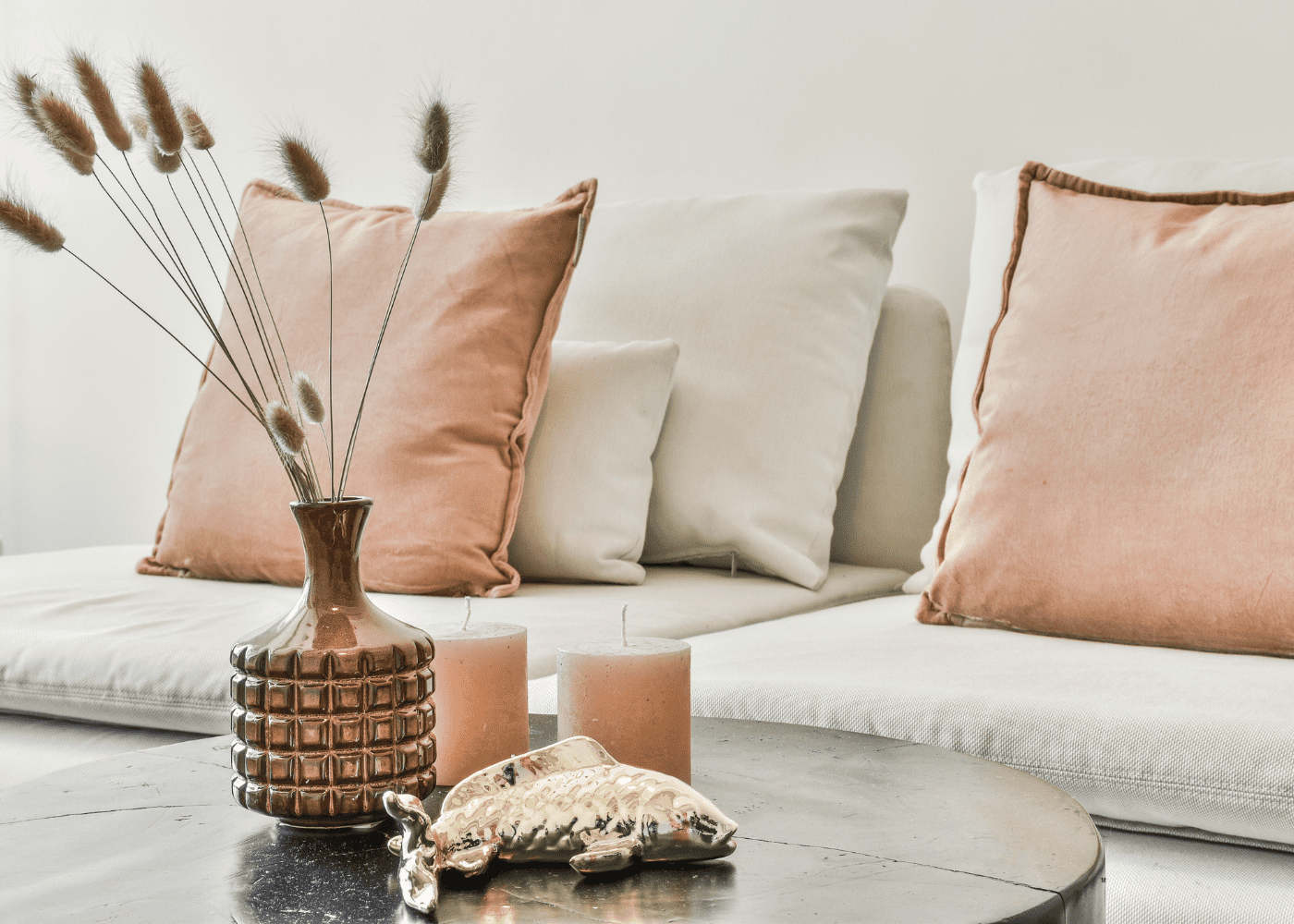
Updating your home doesn’t have to mean hiring a designer or spending a lot of money. With some planning and a few smart choices, you can make your space feel fresh, comfortable, and genuinely yours. These home decor ideas are practical, straightforward, and work in real family homes.
Start with a plan
Before you buy anything or move a single piece of furniture, take a few minutes to think about what you actually want. Write down what is and isn’t working in each room. Think about how you use the space day to day, and what would make it work better for your family.
Once you know what you want to change, you can start looking for inspiration. Pinterest is a good place to save images you like, since you can organize them by room or style. Interior design bloggers and YouTube channels are also worth browsing. Designer Julie Khuu, for example, shares practical walkthroughs of how she approaches a space from scratch.
Choose a style and color palette
It helps to have a general direction before you start making purchases. Think about whether you prefer a clean, modern look or something warmer and more layered. Some popular styles include traditional, modern, minimalist, bohemian, and modern farmhouse. You don’t have to commit to one label, but having a general direction will help everything feel cohesive.
Color palette matters just as much as furniture. Decide early on whether you want light, airy tones or something deeper and moodier. Keep that palette in mind as you choose paint, rugs, pillows, and accent pieces. A room that feels pulled together usually comes down to consistent color choices more than anything else.
Work with what you have first
Redecorating doesn’t mean replacing everything. In many cases, the best place to start is with what you already own. A piece of furniture that feels dated can often be refreshed with sanding and a coat of paint. Old frames can be spray-painted to match a new palette. Shelves can be rearranged to feel intentional rather than cluttered.
Social media is genuinely useful here. TikTok and Instagram are full of creators who show exactly how to give inexpensive or secondhand furniture new life. Searching for furniture flips or upcycling ideas will give you a long list of projects that are easier than they look.
Declutter before you decorate
Clutter is one of the biggest obstacles to a room looking put-together, and it doesn’t cost anything to address. Things accumulate over time, and it’s worth being honest about what you actually use and love. Marie Kondō’s advice to hold each item and ask whether it sparks joy is simple, but it works. If something doesn’t serve a purpose or bring you happiness, it doesn’t need to stay.
Once you’ve cleared out what doesn’t belong, organize what remains into clean, deliberate displays. A less-crowded room automatically looks larger and calmer. If you want more structure around this process, our household organization section has plenty of practical guides to help you work through it room by room.
Measure your space before you shop
One of the most common decorating mistakes is buying furniture without measuring first. Before you purchase anything new, take the time to measure each room carefully. Write down the dimensions, and note details like door widths, window placement, and ceiling height. Draw a rough map if it helps.
If you want to visualize how a new piece will fit before it arrives, use painter’s tape on the floor to mark the footprint. This takes five minutes and can save you from hauling in a sofa that doesn’t actually fit the space.
Set a budget and stick to it
You don’t need to spend a lot to make a room feel different. Setting a clear budget helps you focus on the changes that will have the most impact. Think about which items are most visible or most used, and prioritize those.
Some of the highest-impact, lower-cost updates include adding an accent rug to anchor a seating area, swapping out throw pillows, hanging new curtains, or adding a lamp that changes the mood of a room in the evening. Art prints, small plants, and interesting vases can also shift how a room feels without a major investment.
Small changes that make a real difference
You don’t need to redo an entire room to make it feel better. Often, a few focused changes are all it takes.
Update your color scheme
Changing the colors in a room doesn’t have to mean repainting the walls. Swapping out pillows, throws, and rugs for pieces in a new palette can shift the feel of a room completely. If you want something bolder, painting a single accent wall is a low-commitment way to add color without overwhelming the space.
When ordering upholstery or fabric online, always request a sample before committing. Cool and warm tones look very different on screen versus in your actual lighting, and a swatch will save you from a costly mistake.
Bring in some greenery
Plants are one of the simplest ways to make a room feel more alive. They add color, texture, and a sense of warmth that is hard to replicate with objects alone. Choose low-maintenance varieties if you’re not a confident plant person. Pothos, snake plants, and ZZ plants are all forgiving and look good in most spaces.
You can place a large plant on the floor in an empty corner, group smaller pots on a shelf, or try a hanging planter near a window. Fresh or dried floral arrangements work well on dining tables or mantels and don’t require any plant care at all.
Add something personal
A room that looks like a showroom but has nothing personal in it rarely feels comfortable. Your home should reflect who you actually are. This might mean hanging family photos in a gallery arrangement, displaying art you picked up while traveling, or incorporating a quote in a space that matters to you. Our post on quotes for baby rooms has some ideas if you’re decorating a nursery. For something more hands-on, our guide on how to make wooden letters is a simple DIY that adds a personal touch to any room.
Entryways are worth paying attention to, too. It’s the first thing guests see and the last thing you look at before leaving the house. A functional accent wall with good hooks, a mirror, and a small shelf can make a real difference to how the space feels.
Things to keep in mind as you decorate
Decorate to the size of your room
The scale of your furniture matters as much as the style. A large sectional in a small living room will make the space feel tight. Tiny accent chairs in a large room will look lost. As a general rule, lighter wall colors make a room feel larger and darker colors make it feel more intimate. Use this to your advantage depending on what you need the room to feel like.
For more ideas on making the most of your living areas, our living room storage ideas post is a good starting point.
Use natural light wherever possible
Natural light makes almost every room look better. Keep windows clear of heavy draping if you can, and think about where you place seating relative to light sources. A reading chair near a window, paired with a good floor lamp for evenings, creates a spot that actually gets used.
Make sure the space works for your life
Beautiful rooms that aren’t functional don’t stay beautiful for long. Think about how each room is actually used before you finalize furniture placement. Can you reach the lamp from the sofa? Is the coffee table at a usable height? If you have children or pets, think seriously about upholstery choices. Fabrics that can be wiped down or washed will serve you better in the long run than something that shows every mark.
Rooms that serve more than one purpose need extra thought. A guest room that also functions as a home office, for example, needs furniture that supports both uses without making either feel like an afterthought. Multi-functional pieces like storage ottomans or sofa beds can help a lot in these situations.
Putting it all together
Good home decor comes down to planning, editing, and knowing your space. Start with a clear idea of what you want, work with what you already have, measure before you buy, and make choices that reflect how you actually live. You don’t need a designer or a large budget to create a home that feels calm, comfortable, and like yours.
For more ideas on keeping your home organized and functional, browse our home organization ideas and home decor sections. There’s a lot here to work with, whether you’re freshening up one room or rethinking the whole house.