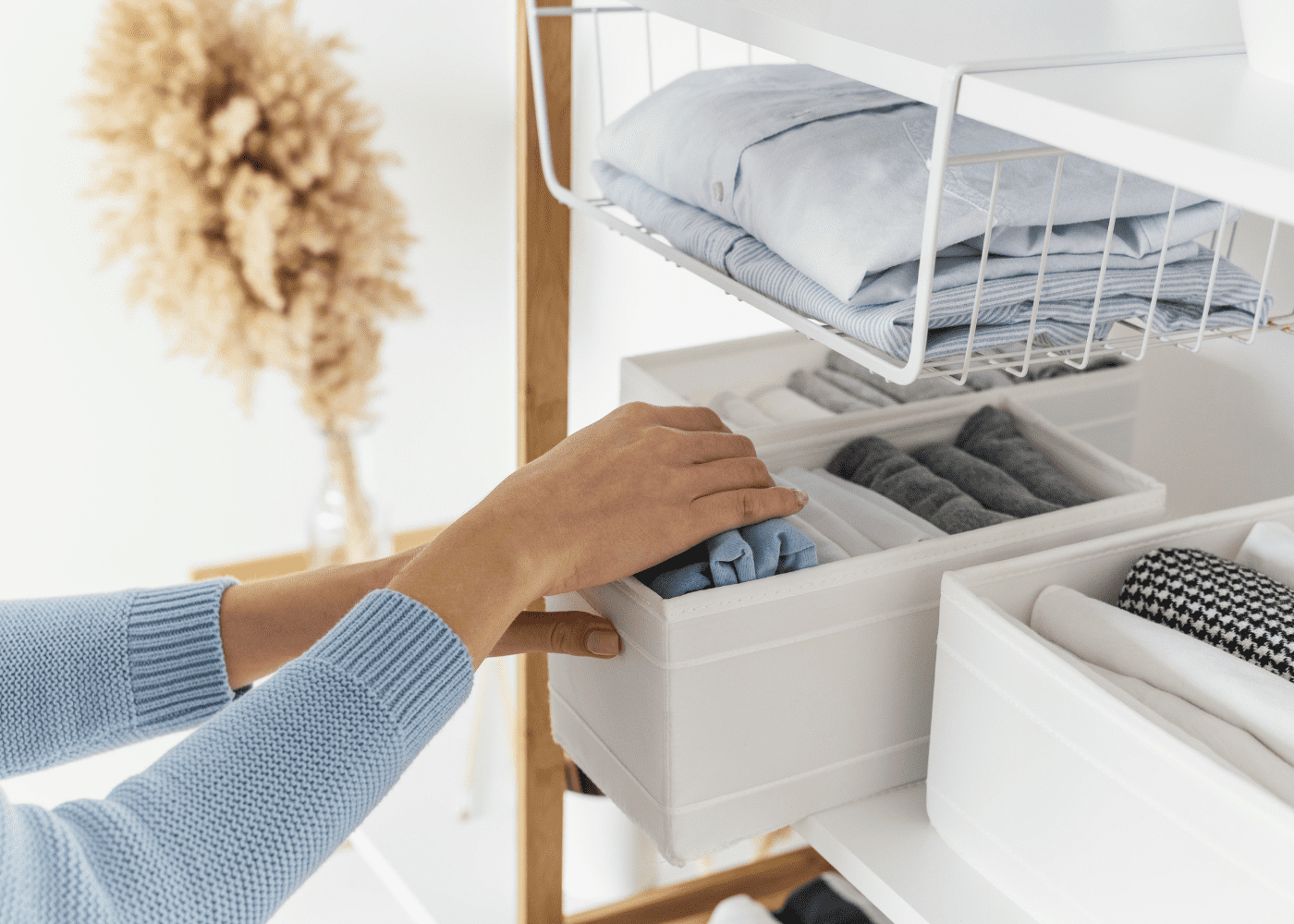
A calm, organized home doesn’t happen by accident. It takes a little intention and a few practical systems that actually hold up over time. The good news is that you don’t need to overhaul everything at once. Three core strategies can make a real difference: decluttering, labeling, and making the most of the storage space you already have. This post walks through each one in plain terms so you can get started without feeling overwhelmed.
Decluttering: where to start
The Oxford Dictionary defines clutter as “a collection of things lying about in an untidy mass.” That’s a pretty accurate description of most junk drawers. But clutter isn’t just a visual problem. Research by Saxbe and Repetti found that living in a cluttered home is linked to higher levels of stress, anxiety, and depression. Tidying up genuinely helps your family feel better, not just your space look better.
Marie Kondo put it well in The Life-Changing Magic of Tidying Up: “When you put your house in order, you put your affairs and your past in order, too.” There’s real truth in that. Clearing out what you no longer need creates mental space as much as physical space.
Clutter builds up in every home. The key is to address it regularly rather than letting it pile up until the task feels impossible.
Go through what you have systematically
Start with the spaces you can see every day. Open shelves, the coffee table, countertops, and baskets are good first targets. These are the areas where clutter has the most visible impact. Clearing them first gives you a quick sense of progress, which makes it easier to keep going.
Save closets, drawers, and storage rooms for a separate session. Those spaces take more time and patience. Trying to do everything at once is a reliable way to give up halfway through.
A simple sorting system works well here. Set up five bins or piles: one for items to put away, one for things to fix or mend, one for donations, one for recycling, and one for trash. Go through each item honestly. Ask yourself whether you will actually fix it or use it again. Then follow through. Drop off donations the same day if you can. Schedule time to mend anything worth keeping. Put everything else in its proper place right away.
It’s also worth going through your kitchen pantry as part of this process. Toss expired items, donate anything you won’t use, and rotate older items to the front of the shelf.
Schedule it into your routine
Life is busy, and decluttering rarely happens unless you plan for it. Setting aside a specific block of time each week or month makes it far more likely to actually happen. You don’t need to tackle the whole house at once. One room or one category at a time is plenty.
Try the one-in, one-out rule
One of the simplest ways to keep clutter from coming back is to set a limit on how much you own. When something new comes into the house, something old goes out. This doesn’t have to be strict, but keeping the principle in mind helps prevent things from slowly piling back up again.
The KonMari method suggests organizing by category rather than by room. If that approach works better for you, go for it. The most important thing is to pick a system and stick with it once your decluttering is done.
Labeling: a small step with a big payoff
Labels are one of the most underrated organization tools you can use at home. They take very little time to set up and make a noticeable difference in how easy it is to find things and put them back in the right place.
Use labels on bins, baskets, shelves, drawers, containers, and cupboards. Anywhere you store items regularly is a good candidate. Clear labels remove the guesswork and make it easier for everyone in the household, including kids, to follow the system.
The benefits go beyond convenience. A labeled system saves time, reduces frustration, makes it easier to stay organized long-term, and can actually save money by helping you avoid buying duplicates of things you already own but can’t find. Labels are also inexpensive to set up, whether you use a label maker, printed stickers, or even handwritten tags.
As with decluttering, the follow-through matters most. Once your labeling system is in place, use it consistently. Spend a few minutes every week or so returning items that have drifted out of place. A little maintenance goes a long way.
Maximizing storage space
Having enough storage is essential, especially in smaller homes. The goal isn’t to buy more stuff to hold your stuff. It’s to use the space you already have more thoughtfully. A few well-chosen solutions can create a surprising amount of extra room.
Use your vertical space
Most homes have more vertical space than they use. Walls, the insides of cabinet doors, and the upper sections of closets are all fair game. Wall-mounted shelves are great for books, decor, and everyday items you want within reach. Over-the-door organizers work well for shoes, cleaning supplies, linens, and personal items. They’re one of the most affordable storage upgrades you can make. Hooks are useful for coats, bags, and accessories that don’t fit easily in a drawer or on a shelf.
When you set up vertical storage, make sure items are easy to see and access. If something is hard to get to, it won’t get put back properly. Also pay attention to the floor space underneath shelving units. Low bins or baskets there can hold quite a lot without taking up any extra room.
For more specific ideas, the wall storage ideas post is a helpful resource.
Bins and baskets
Storage bins and baskets are useful in almost every room. They corral small items that would otherwise scatter, and they work well in awkward spaces like under the bed or beneath a clothing rack. Shoe boxes make a free alternative if you want a DIY option before committing to a particular size or style.
Bins are especially practical for craft supplies, office items, seasonal accessories, and kids’ toys. Whatever goes inside, label the bin clearly so you can find what you need without digging. For more ideas, the playroom storage ideas post covers a lot of helpful approaches for keeping smaller items sorted.
Seasonal clothing is another area where bins help a lot. Moving off-season clothes into labeled boxes on a high closet shelf or under the bed frees up significant space in your everyday wardrobe area.
Drawer organizers
Drawer organizers make a real difference in three places in particular: the bathroom, the home office, and the dresser. In the bathroom, small organizers keep bobby pins, hair ties, and makeup brushes from turning into a jumbled mess. In the office, they give paper clips, pens, and other small supplies a consistent home. In the dresser, they help keep socks and undergarments sorted so you can actually see what you have.
Drawer organizers are widely available online and in most department stores. They come in a range of sizes, so it’s worth measuring your drawers before buying. A quick check of your household organization setup can help you figure out which rooms would benefit most.
Set up a filing system
Paper clutter is one of the easiest kinds to let get out of hand. Whether you’re managing household paperwork, school forms, or kids’ artwork, having a dedicated place for it makes a real difference. Large binders with clear sheet protectors work well for artwork and important documents alike. They keep things flat, visible, and easy to flip through without taking up much space.
A simple filing system doesn’t need to be elaborate. A few clearly labeled folders or binders, checked and cleared out every few months, is all it takes to stay on top of paper clutter.
Putting it all together
Getting organized at home comes down to three things done consistently: clearing out what you don’t need, labeling what you keep, and making smart use of the space you have. None of these strategies require a big budget or a full weekend to implement. You can start small, with one drawer or one shelf, and build from there.
The most important part of any organizing system is the follow-through. Once you’ve set things up, spend a few minutes regularly putting items back where they belong and reassessing what’s working. A system that’s easy to maintain will always beat one that’s elaborate but hard to keep up with.
If you’re looking for more specific ideas, the home organization ideas section of the blog covers everything from nursery organization to snack storage and beyond.
Frequently asked questions
How do I organize my house when I have too much stuff?
Start by being honest about what you actually need and use. Sort everything into categories: things to put away, fix, donate, recycle, or throw out. Work through one room or one category at a time so the process stays manageable.
How do I organize my house and keep it that way?
Declutter first, then set up a clear system with a designated spot for every item. Label storage containers so everyone in the household knows where things belong. Check in regularly to return items that have drifted out of place.
What are four practical tips for staying organized?
Declutter regularly, label everything, make the most of your storage space, and stay consistent with the system you put in place.