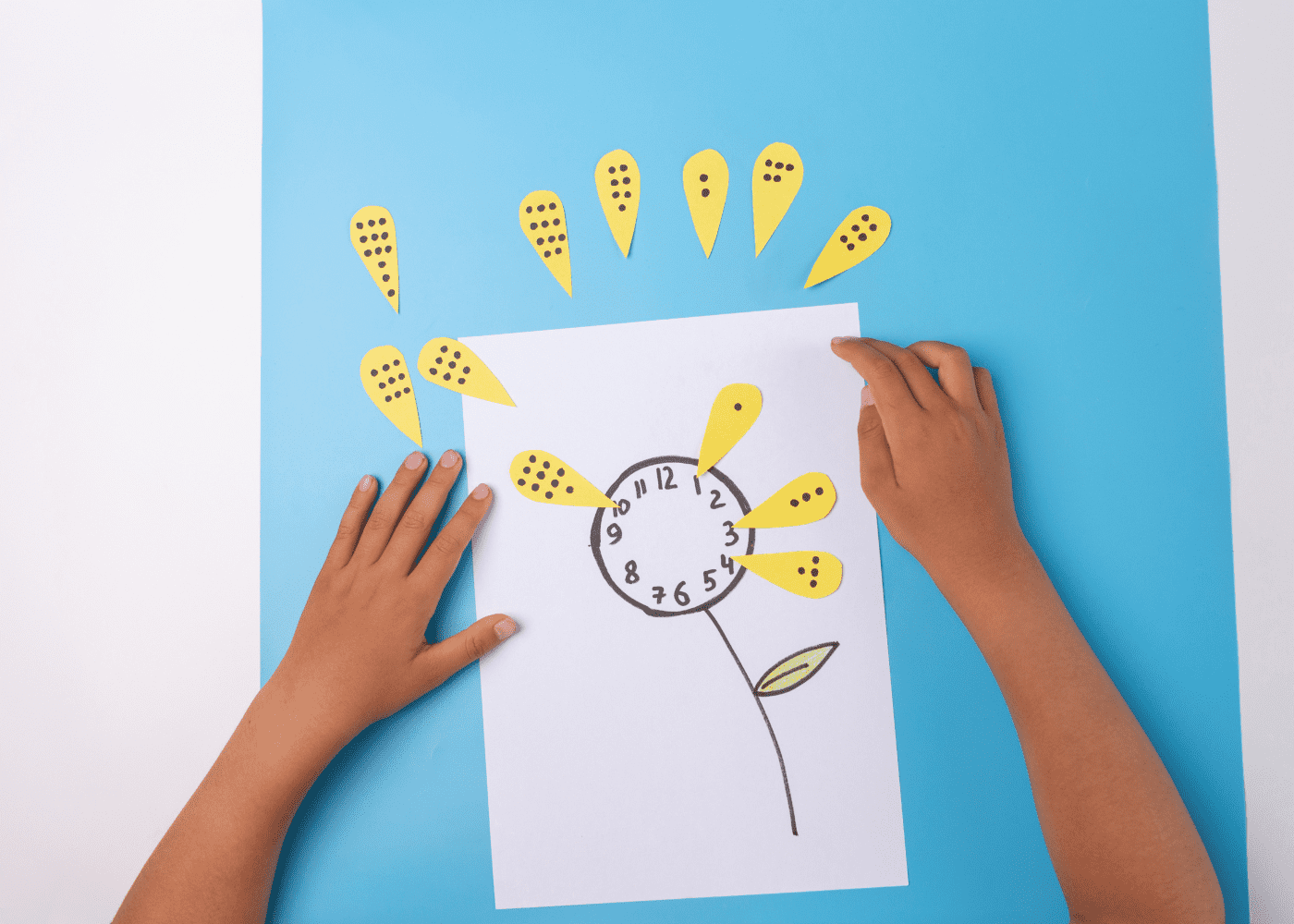
Math is one of those subjects that can go one of two ways for a kid. Either it clicks and they feel confident, or it becomes a source of stress that follows them for years. The goal with young children is to keep it in the first category for as long as possible. That means building a strong foundation early, making the learning feel natural, and keeping the pressure low. This post covers why math matters, how to prevent math anxiety, and practical ways to bring math into everyday life at home.
Why math matters for kids
Math teaches children how to think. It builds skills in logic, pattern recognition, and problem-solving that carry over into almost every other subject. A child who understands patterns in math will notice patterns in science. A child who can reason through a word problem will approach other challenges more carefully.
Math also connects directly to the physical world. It shows up in cooking, building, budgeting, music, and design. Whether your child grows up to work in engineering or the arts, a comfort with numbers and reasoning will serve them well. The goal in early childhood is not to produce a mathematician. The goal is to raise a confident, curious thinker who is not afraid of numbers.
Understanding math anxiety
Research shows that math anxiety can develop as early as age five. That is worth taking seriously. The way a child is introduced to math in those early years shapes how they feel about it for a long time. Negative experiences, pressure to get the right answer quickly, or a sense that they are “not a math person” can all contribute to anxiety that makes learning harder.
Experts recommend a few key approaches for parents and educators. Focusing on the thinking process rather than the correct answer is one of the most important shifts you can make. Praising a child for how they worked through a problem, even if the final answer was wrong, builds resilience. Allowing mistakes to be part of the process, rather than something to avoid, takes the pressure off.
It also helps to vary how you assess understanding. A written worksheet is just one way to check whether a child grasps a concept. Watching them sort objects, count out coins, or explain a pattern out loud can tell you just as much. Different children approach math differently, and that is normal and expected.
Parental involvement plays a big role in how children feel about math. When you approach math with curiosity instead of dread, your child picks up on that. You do not need to be a math expert to support your child at home. You just need to be willing to think through problems alongside them.
How to make math fun at home
The most effective math learning for young children is hands-on and connected to something real. Abstract numbers on a page are harder for young minds to hold onto. Give a child something to count, sort, measure, or compare, and the concept becomes something they can actually feel and see.
Use everyday objects
You do not need special materials to teach math at home. Your kitchen is full of useful tools. Measuring cups teach fractions. Counting out ingredients introduces basic addition. Coins are excellent for practicing counting and early money concepts. A set of playing cards can become a game for comparing numbers, practicing addition, or exploring simple probability.
Wooden blocks are great for younger children. They can count them, sort them by size or color, and use them to build structures that require thinking about shape and balance. The point is to give children a physical experience of mathematical ideas before asking them to work with numbers on paper. You can find more ideas for hands-on math in our post on preschool math concepts.
Bring math outdoors
A walk outside is full of math opportunities. You can count steps, look for patterns in leaves or flowers, measure shadows, or sort rocks by size. Nature offers a low-pressure setting where math feels like exploration rather than schoolwork. Our post on math in nature has a lot of specific ideas for turning a nature walk into a learning experience. Connecting math to the outdoors is one of the most natural ways to build number sense in young children.
Play games
Games are one of the most reliable ways to get children engaged with math without it feeling like a lesson. Classic board and card games like Bingo, Yahtzee, and Snakes and Ladders all involve counting, number recognition, or strategy. Educational toy stores are worth visiting if you want more targeted options. The staff there can usually point you toward games designed for your child’s specific age and skill level.
For screen time, there are a few solid options worth knowing about. PBS Kids offers free math games where children learn alongside familiar characters. Fun Brain has a math zone with mini-games children can choose from on their own. For apps, Splashlearn is well-designed for children from preschool through grade five, covering a wide range of concepts in an accessible format. Math Kids is another free app with interactive games focused on number sense and equations. It works best as a practice tool rather than a teaching tool, since it asks children to solve problems rather than guiding them through the concepts. It is useful once your child already has a basic understanding and just needs repetition.
Connect math to things your child cares about
One of the most effective strategies is tying math to something your child actually wants. If they are saving up for a toy, practice counting coins together and figure out how much more they need. If they love baking, let them measure and mix. If they are into building, count and compare pieces before you start. When math solves a real problem your child has, it stops feeling like a chore.
Money is a particularly good entry point. It is concrete, visual, and meaningful to children even at a young age. Our preschool money worksheets are a good starting point if you want a simple, printable resource to use at home.
What kids learn at each stage
The skills children work on in math shift quite a bit between preschool and early elementary school. Preschool math focuses on counting, sorting, recognizing shapes, and understanding basic patterns. These are the building blocks for everything that comes later. You can read more about those foundational skills in our post on preschool math concepts for early learners.
By kindergarten, children begin working with more formal number concepts. They practice counting to higher numbers, comparing quantities, and solving simple word problems. Kindergarten math also introduces early addition and subtraction through stories and objects before moving to written equations. Our post on kindergarten math concepts covers what to expect at that stage in detail.
A Montessori approach to math is also worth exploring, especially for families who prefer a hands-on, self-paced method. Montessori math uses physical materials to teach abstract concepts in a very concrete way. You can read more in our post on Montessori math basics for young learners.
Tips for building a positive math environment at home
The environment you create around math matters as much as the activities themselves. A few habits can make a real difference over time.
Praise effort and thinking, not just correct answers. When your child works through a problem carefully, say so. Tell them you noticed they tried a different way when the first approach did not work. That kind of feedback teaches them that persistence is the skill worth developing.
Avoid passing on your own math anxiety. If math was hard for you, try not to let your child hear you say you are bad at it. Children internalize those messages quickly. You can be honest that it was challenging without framing it as something they should expect to struggle with too.
Keep math informal and frequent. Short, low-pressure moments add up. Counting cars on a drive, figuring out how to split a snack evenly, or estimating how many grapes are in a bowl all count as math practice. You do not need a dedicated lesson every day to build strong number sense.
Finally, follow your child’s lead. Some children are drawn to numbers and want to count everything. Others are more interested in shapes or patterns. Start where their curiosity already is and build from there.
A note on worksheets and printables
Worksheets have their place, especially for children who enjoy a clear task with a defined endpoint. They work best as practice tools once a concept has already been introduced through play or hands-on activity. If your child is ready for some simple printable practice, our number tracing worksheets are a good place to start for younger children. For slightly older kids, our tally mark worksheets and kindergarten math word problems offer structured practice that still connects to real-world thinking.
The key is not to lean on worksheets as the primary way your child experiences math. Use them to reinforce what has already been explored in a more hands-on way.
Putting it all together
Building a strong math foundation in early childhood does not require a special curriculum or expensive materials. It requires consistency, a calm attitude, and a willingness to find math in the everyday moments that are already happening. Keep the pressure low, celebrate the process, and give your child lots of different ways to experience numbers and patterns. The confidence they build now will carry them through every math class that comes after.