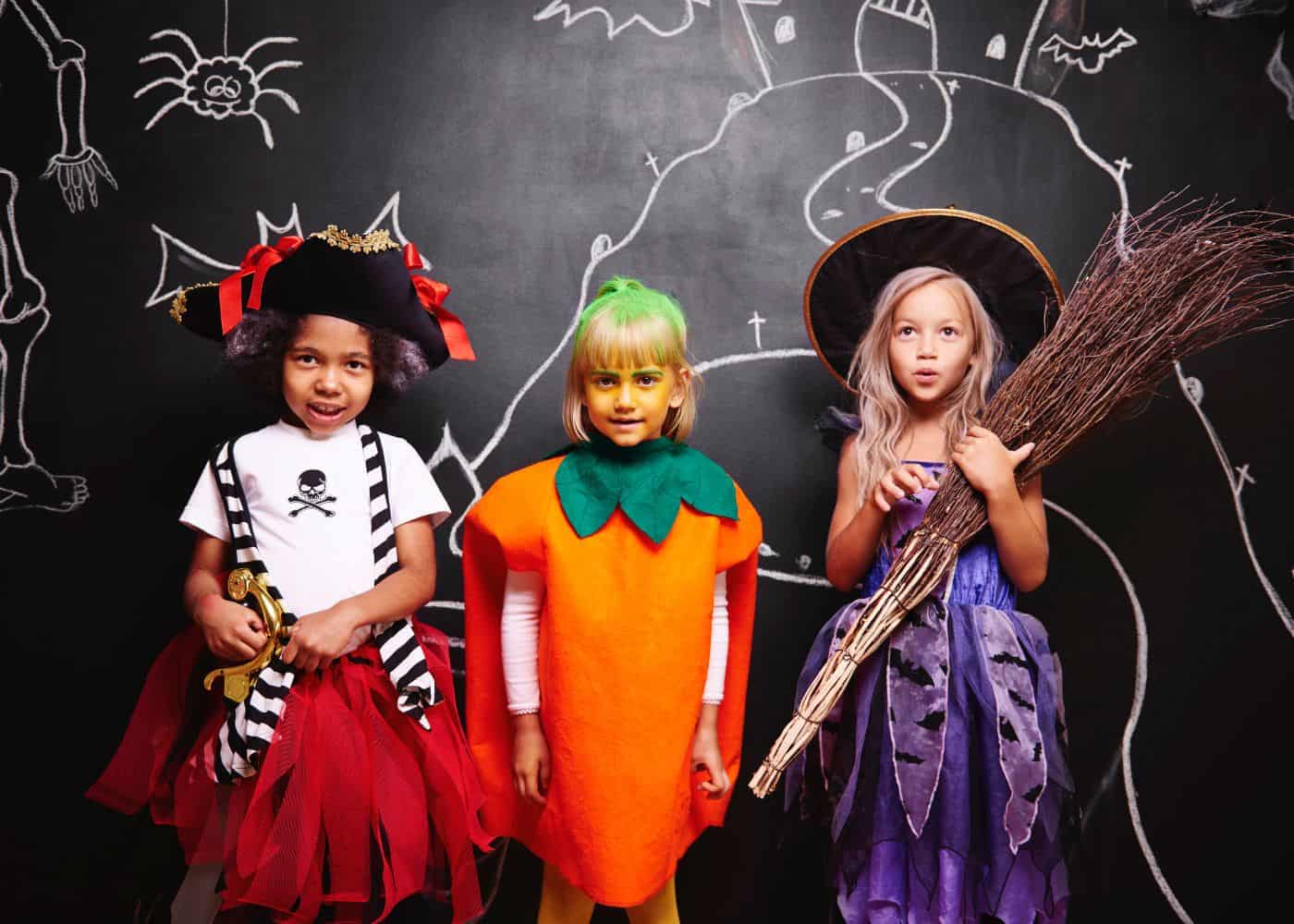
Dressing up is one of those simple pleasures that kids never seem to outgrow. Whether it’s Halloween, a school spirit day, a birthday party, or a random Tuesday afternoon, costumes give children a chance to step into a different world. They try on new roles, tell stories through play, and build confidence in the process. The good news is that you don’t need to spend a lot of money or time to make it happen well.
Finding the right Halloween costume for your kids
Halloween is the big one. It’s the event most kids look forward to for weeks, and the costume is the centerpiece of all of it. With so many options available, narrowing things down can feel like a lot. The easiest place to start is with your child’s current interests. What are they watching, reading, or pretending to be at home? A costume that connects to something they already love will get far more use and enthusiasm than one that just looks good on the hanger.
Beyond theme, think about comfort. Halloween means walking around outside, often in the dark, sometimes in cooler weather. A costume that restricts movement or requires constant adjusting is going to create frustration fast. Look for options with relaxed fits, soft fabrics, and easy closures. A printed sweatsuit or a cozy animal jumpsuit can be just as festive as an elaborate dress, and your child will actually enjoy wearing it all evening.
Matching the costume to your child’s personality
Some kids want to be scary. Some want to be magical. Some want to be funny. Pay attention to what your child gravitates toward naturally, because that’s where the most joy will come from. A child who loves animals will light up in a dragon or dinosaur costume. One who is drawn to fantasy might want a mermaid dress or a witch’s cape. A kid who likes humor might want to be a piece of sushi or a giant taco.
If your child is drawn to creative play in general, let them have a say in putting the costume together. Even small choices, like picking the color of a hat or choosing which shoes to wear, give them ownership over the look.
Adding accessories without overcomplicating things
A good accessory can take a simple outfit a long way. Glittery shoes, a wand, a cape, or a themed Halloween bucket can pull a whole look together without requiring a completely new costume. Think of the base outfit as the foundation and the accessories as the details that make it feel complete. A plain black outfit becomes a witch with a hat and a broomstick. A hoodie and sweatpants become a bear with a set of ears and a tail. Keep it simple and let the accessories do the work.
Family group costumes for Halloween and theme parties
Group costumes are one of the most fun things a family can do together for Halloween or a themed party. They make for great photos and give everyone a shared experience to look back on. The key is choosing a theme that works across ages and body types, and that everyone can get excited about.
Some of the most popular options include dressing as the Incredibles, where each family member takes on a superhero role. The Wizard of Oz works well for larger families, with Dorothy, the Scarecrow, the Tin Man, the Cowardly Lion, and Glinda all covered. Star Wars is endlessly flexible. The Lion King, Aladdin, and Snow White and the Seven Dwarfs are all strong picks for families with young children who know those stories well.
For something more unexpected, consider a breakfast theme where each person dresses as a different item, like bacon, eggs, toast, and orange juice. Or try a medieval theme with a king, queen, knight, and dragon. The more specific and committed the group is to the theme, the more memorable it tends to be.
Dressing up for school spirit days
Spirit weeks at school give kids a fun reason to get creative with what they wear, and they happen far more often than Halloween. Pajama Day, Decade Day, Crazy Hat Day, Character Day, and Sports Day are all common. Having a few go-to pieces on hand makes these days easy to handle without a last-minute scramble.
For Pajama Day, a cozy onesie or flannel set works perfectly and doubles as actual sleepwear. Decade Days are a great opportunity to dig through closets and thrift stores. The ’80s theme in particular is easy to pull off with neon colors, scrunchies, and leg warmers. Twin Day just requires coordinating with another family ahead of time, and it’s usually more about the planning than the outfit itself.
Character Day tends to get the most creative results. Kids can dress as characters from books, movies, or TV shows. Harry Potter, Star Wars, and superhero characters are perennial favorites. Disney characters work well across age groups. For younger kids especially, costume pieces they already own at home can often be repurposed to fit a Character Day theme without buying anything new.
Printed sweatsuits as a spirit day staple
A printed sweatsuit is one of those wardrobe pieces that earns its keep many times over. It works for Pajama Day, for ’80s Workout Day, for casual costume bases, and for everyday wear. The relaxed fit means kids can move freely, and the fun prints keep it feeling festive. It’s the kind of piece that gets pulled out again and again throughout the year.
How to make DIY costumes with your kids
Making a costume at home is one of those activities that sounds ambitious but is usually more accessible than it seems. The process itself is half the fun. Kids who help make their own costume are often far more attached to it and more excited to wear it.
A ghost costume is still one of the easiest to pull off, requiring just an old white sheet and a pair of scissors. A mummy can be created with white fabric strips or even toilet paper layered over clothing. A scarecrow needs only a flannel shirt, jeans, patches cut from old fabric, and some straw or shredded paper tucked into the cuffs. A robot comes together with cardboard boxes, aluminum foil, and a handful of bottle caps for buttons.
For something more whimsical, a bunch of grapes is as simple as pinning purple or green balloons to a shirt and making leaf-shaped felt for a headband. A butterfly costume can be made from bent wire coat hangers stretched with colored fabric or tights. A pizza slice is just a painted cardboard triangle with shoulder straps attached.
The goal with DIY costumes isn’t perfection. It’s participation. When kids help cut, paint, glue, or choose materials, they develop problem-solving skills and creative confidence. Check out more ideas in our roundup of easy crafts for kids for inspiration on working with simple materials at home.
How to shop for costumes on a budget
Costume costs can add up quickly, especially when you have more than one child. A few practical strategies can help keep spending in check without sacrificing the fun.
Local costume shops often run clearance sales as Halloween gets closer. It’s worth checking those racks even if the selection feels picked over, because themed accessories and basics are often marked down significantly. Thrift stores and consignment shops are reliable sources for gently used costumes at a fraction of the original price. You’ll often find more interesting and unusual pieces there than in a standard store.
Online shopping opens up a wider selection and makes it easy to compare prices. Keep an eye out for seasonal promotions and discount codes, and check whether free shipping is available before placing an order. Mermaid dresses, dragon costumes, and embellished tulle skirts are all common finds at good prices online when you shop early.
Borrowing from family and friends is another practical option that often gets overlooked. A cousin’s costume from last year might fit perfectly this year, and passing costumes along keeps them in use rather than sitting in a bin. It costs nothing and creates a small tradition of sharing that kids can appreciate over time.
Creating costumes from everyday items
Some of the most creative costumes come from looking at ordinary objects in a new way. A raincoat and a pair of rubber boots become a weather forecaster. A bathrobe and slippers become Sherlock Holmes. A cardboard box becomes a television set, a car, or a robot torso. The constraint of using only what’s on hand often pushes creativity in interesting directions.
Toys and books at home are great starting points. If a child is currently obsessed with a particular character or story, look at what you already own that could build toward that look. A green hoodie paired with craft foam wings and a tail becomes a dragon. A onesie that’s been outgrown becomes the base for an animal costume with added ears and a tail.
When you do need to purchase something, consider investing in one high-quality piece, like a witch hat, a cape, or a pair of dress-up shoes, and building the rest of the costume around it with items from home. This approach keeps costs low and results in a costume that feels genuinely personal.
Props that make costumes come alive
A prop gives a child something to do with their hands while in costume, which matters more than it sounds. It deepens the play and helps them stay in character. A wand, a shield, a treasure map, or a stethoscope all add a layer of imagination to the outfit.
For a witch or wizard, a broomstick, a spellbook, and a wand are the classics. A pirate benefits from an eye patch, a treasure map, and a stuffed parrot perched on the shoulder. A mermaid might carry a trident or a seashell bag. A knight needs a shield and a foam sword. A doctor comes together quickly with a toy stethoscope and a clipboard.
Many of these props can be made at home from cardboard, foam, and paint. Making them together as a pre-Halloween project adds to the anticipation and gives kids a sense of pride in the full costume. The decorated Halloween bucket is another small detail worth personalizing. A bucket that matches the costume makes the whole look feel more intentional and gives kids something to carry throughout the evening.
Why dress-up play matters beyond costumes
Dress-up play has real developmental value that extends well past the holiday season. When children put on a costume and step into a character, they practice perspective-taking, emotional expression, and storytelling. They try on roles they don’t have access to in everyday life, which builds empathy and expands their understanding of the world around them.
Pretend play also supports language development. Children narrate stories, create dialogue, and work through social situations in a low-stakes environment. It connects naturally to early literacy skills, since storytelling and imaginative play both require the same mental flexibility that reading and writing demand.
Keeping a simple dress-up box at home, stocked with a few hats, scarves, capes, and props, gives kids an open-ended activity they can return to independently. It doesn’t need to be elaborate. Even a small collection of pieces gives children enough material to create something new each time. For more ideas on setting up creative spaces at home, take a look at our Montessori playroom guide.
Costumes, whether store-bought, borrowed, or made from a cardboard box and a roll of foil, are really just tools for imagination. The costume itself matters far less than the freedom and encouragement to use it.