
A time capsule is one of those projects that sounds simple but lands surprisingly hard when you open it years later. Kids take it seriously. They think carefully about what matters to them right now. And when you dig it up together, even a short wait of a year or two can feel like a long time ago. It’s a grounded, low-cost activity that creates a real memory, not just a craft you throw away at the end of the day.
This guide covers what to put in a time capsule, what to leave out, how to choose a container, and how to plan the whole thing so you actually remember to open it. Whether you’re doing this as a birthday tradition, a school year send-off, or just a rainy afternoon project, the ideas here will help you make it worth keeping.
What is a time capsule?
A time capsule is a sealed container filled with items that capture a moment in time. Some are buried for decades and meant to be found by strangers long after the creator is gone. But the kind you make with kids is usually much more personal, and much shorter in duration. You seal it, store it, and open it together in one to five years.
That shorter timeline is actually what makes it work well for children. Kids forget quickly. After just a year or two, they genuinely can’t remember what they put inside. The reveal feels like a real surprise. They get to see how much they’ve changed, what they cared about, and what has stayed the same.
Choosing a container
The container matters more than most people realize. It needs to protect the contents from moisture, pests, and pressure, especially if you plan to bury it.
A large stainless steel thermos or a wide-mouth water bottle with an airtight seal works well for a capsule that will be stored for just a year or two. Metal boxes, like a tin cookie tin with a tight lid, are another solid option. Metal resists moisture better than most materials and won’t break down quickly underground.
Avoid wooden boxes. Wood rots, warps, and invites insects. Avoid thin plastic containers that aren’t fully sealed. If there’s any chance of flooding or ground moisture, a waterproof container is a must. Whatever you choose, place it inside a sealed zip-top bag as an extra layer of protection before you bury it.
What to put in a time capsule
The best time capsule contents are personal and specific. Generic items don’t bring back memories the way a particular drawing or a specific photo does. Let your child take the lead on choosing items. Ask them what they want their future self to remember about right now.
A letter from your child to their future self
This is the single most meaningful thing you can include. Have your child write or dictate a letter to themselves. They can describe their daily life, their favorite things, their worries, and their hopes. Ask them what they think will be different when the capsule is opened. Ask them what advice they’d give their future self. Even a few sentences from a young child become something priceless a few years later.
Photos
Print a few photos rather than relying on digital copies. Include a family photo, a photo with a best friend, a photo of the house or bedroom, and a photo from a recent celebration or outing. Photos give context in a way that objects alone can’t. Slip them into a sealed plastic sleeve to protect them.
A self-portrait or drawing
Ask your child to draw a picture of themselves, their family, or their favorite place. It’s one of the most charming things to look back on. Artistic style changes so quickly in childhood that even a two-year gap shows obvious growth.
A family questionnaire
Write up a simple list of questions and have everyone answer them. Favorite food, favorite song, favorite movie, best friend’s name, what you want to be when you grow up. Fill one out for each family member and seal them together. The answers will surprise you when you read them again.
A menu, business card, or local item
Does your family have a favorite pizza place or ice cream spot? Tuck in a takeout menu or a business card. Print out a local news headline or a snapshot of what a grocery receipt looks like right now. These small, everyday items become surprisingly interesting artifacts over time.
Lyrics to a favorite song
Write out the words to whatever song your child has on repeat. Music is one of the strongest memory triggers there is.
Dried flowers or a small natural item
If your family has a garden, press and dry a flower from it. A leaf from a favorite tree or a small stone from a memorable hike also works. Keep natural items sealed in a small plastic bag inside the capsule.
A birthday card or short written note from a family member
Ask a grandparent, aunt, or close family friend to write a short note to your child for the capsule. A few sentences from someone they love can be unexpectedly moving to read years later.
A small, meaningful object
This could be a piece of plastic jewelry, a small figurine, a sticker collection, or a well-loved but not precious toy. Keep it small and flat where possible. Don’t include genuine heirlooms or anything irreplaceable. The point is something that captures this season of childhood, not something you’d be heartbroken to lose.
A bucket list
Have your child list ten things they want to do before the capsule is opened. When you dig it up, go through the list together and see what they managed to check off. This pairs nicely with our post on time capsule ideas if you want to build this into a longer annual tradition.
What not to put in a time capsule
Knowing what to leave out is just as useful as knowing what to include. Some materials break down over time and can damage everything around them.
Food
Don’t include any actual food. Even dried or packaged food can attract insects, grow mold, or produce moisture that damages everything else in the container. You can include the wrapper or packaging from a favorite snack, which gives you the memory without the mess.
Rubber bands, staples, and paper clips
Rubber degrades and snaps. Staples and paper clips rust and can stain or tear paper. If you need to hold papers together, use a small piece of string or tuck them into a sealed envelope instead.
Leather items
Leather can deteriorate and affect whatever it touches. If you want to include something made of leather, seal it in a separate bag and keep it isolated from paper items and photos.
Fabric and clothing
Textiles can hold moisture and develop mildew over time. If you want to include a piece of clothing, like a small outfit or a hat your child wore, wash and dry it thoroughly first. Seal it tightly in a plastic bag before placing it in the capsule.
Planning and burying the capsule
Once everything is collected and sealed, write the intended opening date on the outside of the container in permanent marker. Take a photo of the capsule before you bury it. When you dig it up, you can compare the two and see how it has weathered.
Set a reminder. This sounds obvious, but it’s easy to forget. Put the opening date in your calendar with a reminder set a week ahead. You can also make a low-key ritual out of it by tying the opening to a recurring event, like a birthday or the last day of school.
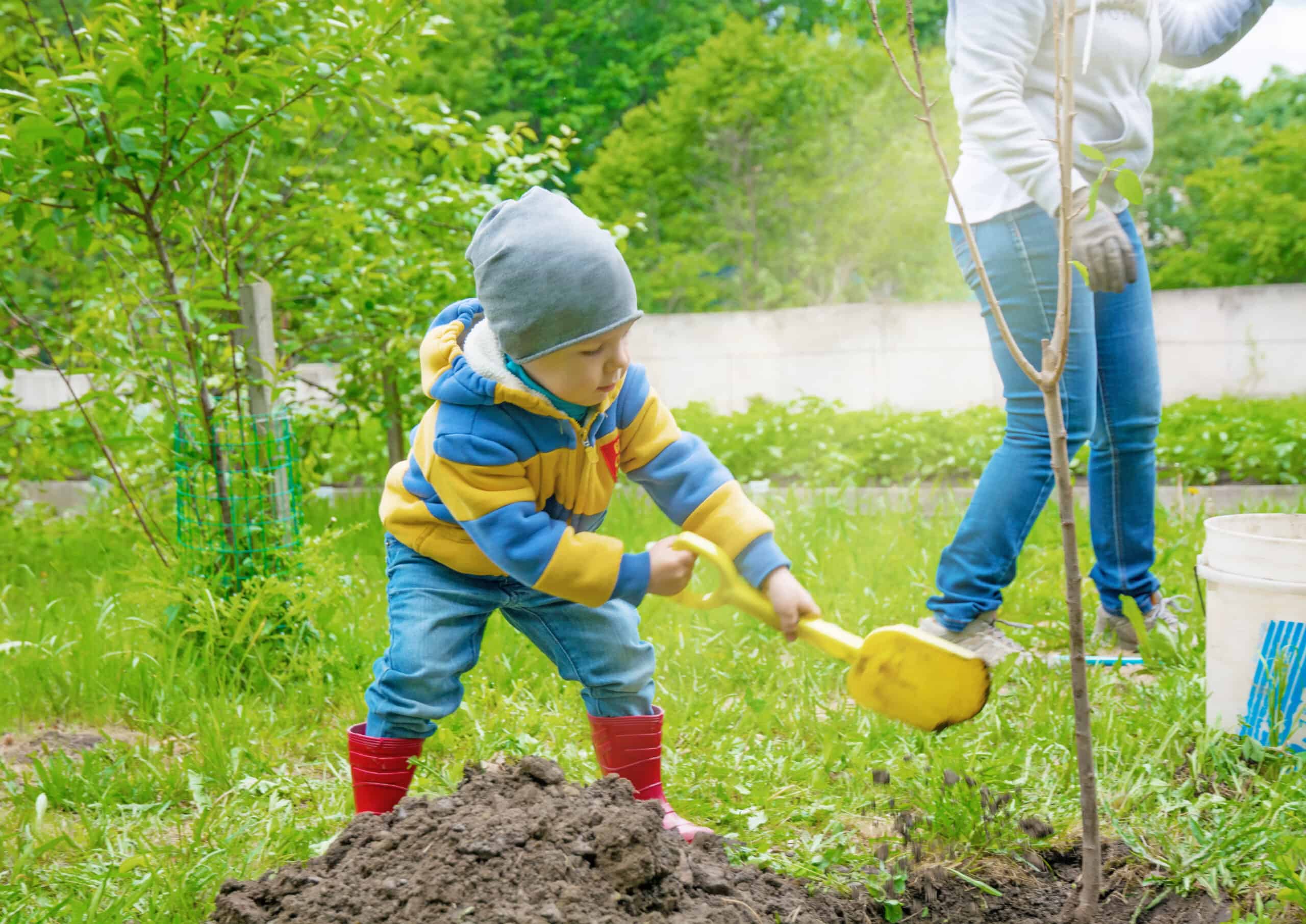
If you’re burying the capsule, involve your child in choosing the spot and digging the hole. Bury it deep enough that no one will hit it accidentally during gardening. Mark the location in a way you’ll remember. A drawn map is fun to make and adds to the experience when it comes time to find the spot again. You can store the map with your other important documents so it doesn’t get lost.
If burying it outdoors isn’t practical, storing it in a dry, dark place works just as well. A high shelf in a closet, the back of a storage area, or a dedicated memory box kept out of reach all work fine. The goal is simply to keep it out of sight so it feels like a real discovery when you open it.
For more ideas on keeping your home organized around meaningful family items and keepsakes, the household organization section has plenty of practical approaches.
Ideas for specific occasions
New Year’s time capsule
Seal a capsule on New Year’s Eve and open it the following year. Include a photo from December, a list of the year’s highlights, and each family member’s hopes for the coming year. It fits naturally into an existing tradition and gives the holiday more meaning.
Back to school time capsule
Fill a capsule on the first day of school and open it on the last. Include a photo from that morning, a list of the child’s current favorites, and a drawing of what they imagine the school year will look like. Opening it in June with the same questions answered again makes a clear before-and-after record.
Baby’s first year time capsule
A capsule made at birth and opened at your child’s first birthday is a meaningful keepsake. Include the birth announcement, a hospital bracelet, a note from each parent, a few newborn photos, and a letter describing the day they arrived. Opening it at the first birthday party gives the celebration extra heart. If you’re planning that kind of event, our post on sip and see party ideas has related inspiration.
End of childhood time capsule
Some families make a capsule when a child starts kindergarten and open it at high school graduation. This is a longer commitment but produces something deeply meaningful. Include a drawing, a letter, a photo, a favorite toy, and a note from the parents. It takes patience, but the payoff is real.
Making it a habit
One time capsule is fun. Annual time capsules become a genuine family record. If you want to build this into a yearly tradition, keep the process simple enough that it doesn’t feel like a burden. A photo, a letter, a small object, and a questionnaire are all you really need. Seal it, store it, and open last year’s at the same time.
You can tie the capsule to any recurring date that works for your family. Some families do it every birthday. Others do it every New Year’s. The date matters less than the consistency. Over time, the collection of capsules becomes a real archive of your children’s childhoods, something far more specific and personal than a photo album.
For more kids activity ideas that go beyond the usual craft table, the blog has a full range of projects organized by age and season. And if you’re looking for ways to record your child’s early years in other formats, our post on what to write in a baby book covers how to capture those early memories in a format that lasts.
A time capsule doesn’t require much. A sealed container, a few chosen items, and a plan to open it together. The work is small. The result, years from now, is something your child will genuinely treasure.




Leave a Reply